 9.0

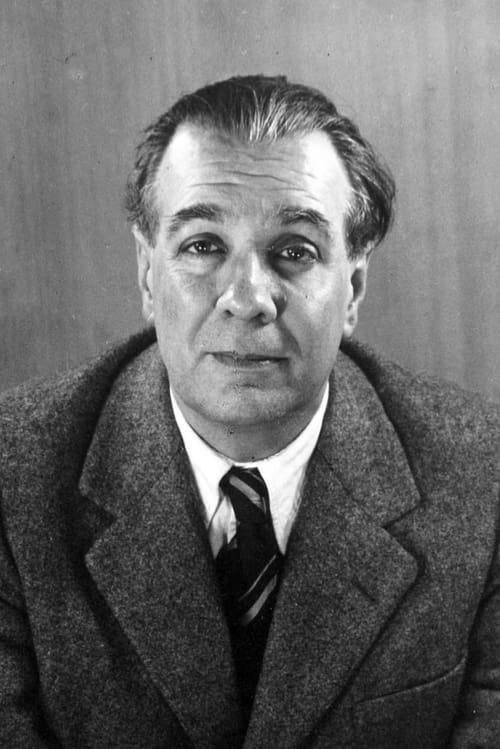
Jorge Luis Borges
- Born
- Aug 24, 1899
- Died
- Jun 14, 1986 (aged 86)
- Birthplace
- Buenos Aires, Argentina
- Also known as
- Jorge Francisco Isidoro Luis Borges · Jorge Francisco Isidoro Luis Borges Acevedo
Biography
Jorge Francisco Isidoro Luis Borges Acevedo (24 August 1899 – 14 June 1986) was an Argentine short-story writer, essayist, poet and translator regarded as a key figure in Spanish-language and international literature. His best-known books, Ficciones (transl. Fictions) and El Aleph (transl. The Aleph), published in the 1940s, are collections of short stories exploring motifs such as dreams, labyrinths, chance, infinity, archives, mirrors, fictional writers and mythology. Borges's works have contributed to philosophical literature and the fantasy genre, and have had a major influence on the magic realist movement in 20th century Latin American literature.
Born in Buenos Aires, Borges later moved with his family to Switzerland in 1914, where he studied at the Collège de Genève. The family travelled widely in Europe, including Spain. On his return to Argentina in 1921, Borges began publishing his poems and essays in surrealist literary journals. He also worked as a librarian and public lecturer. In 1955, he was appointed director of the National Public Library and professor of English Literature at the University of Buenos Aires. He became completely blind by the age of 55. Scholars have suggested that his progressive blindness helped him to create innovative literary symbols through imagination. By the 1960s, his work was translated and published widely in the United States and Europe. Borges himself was fluent in several languages.
In 1961, he came to international attention when he received the first Formentor Prize, which he shared with Samuel Beckett. In 1971, he won the Jerusalem Prize. His international reputation was consolidated in the 1960s, aided by the growing number of English translations, the Latin American Boom, and by the success of García Márquez's One Hundred Years of Solitude. He dedicated his final work, The Conspirators, to the city of Geneva, Switzerland. Writer and essayist J. M. Coetzee said of him: "He, more than anyone, renovated the language of fiction and thus opened the way to a remarkable generation of Spanish-American novelists."
Jorge Francisco Isidoro Luis Borges Acevedo was born into an educated middle-class family on 24 August 1899. They were in comfortable circumstances but not wealthy enough to live in downtown Buenos Aires so the family resided in Palermo, then a poorer neighbourhood. Borges's mother, Leonor Acevedo Suárez, came from a traditional Uruguayan family of criollo (Spanish) origin. Her family had been much involved in the European settling of South America and the Argentine War of Independence, and she spoke often of their heroic actions.
His 1929 book Cuaderno San Martín includes the poem "Isidoro Acevedo", commemorating his grandfather, Isidoro de Acevedo Laprida, a soldier of the Buenos Aires Army. A descendant of the Argentine lawyer and politician Francisco Narciso de Laprida, Acevedo Laprida fought in the battles of Cepeda in 1859, Pavón in 1861, and Los Corrales in 1880. Acevedo Laprida died of pulmonary congestion in the house where his grandson Jorge Luis Borges was born. ...
Source: Article "Jorge Luis Borges" from Wikipedia in English, licensed under CC-BY-SA 3.0.
Known for
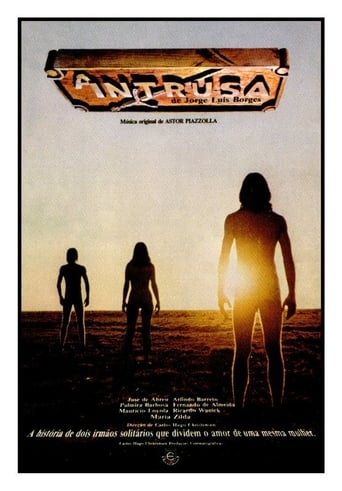



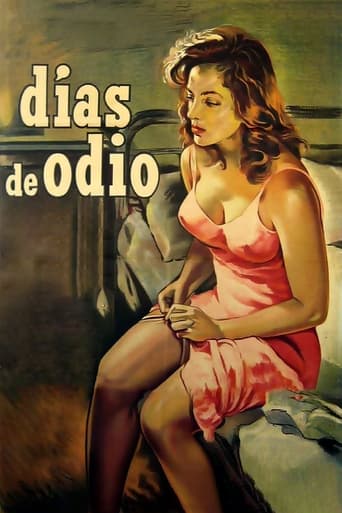

Filmography 29
-
2025
The SouthWriterMovie 10.0
-
2017
Los Amantes del TigreWriterMovie
-
2016
Borges Está Vivoas Self (archive footage)Movie
-
2015
Memorias de Borgesas Self (Archive Footage)Movie 6.0
-
2014
The Book of SandStoryMovie
-
2000
Harto the Borgesas Self (archive footage)Movie 7.0
-
2000
The Books and the Nightas Himself (archive footage)Movie 6.4
-
1999
Jorge Luis Borges, the Mirror Manas Himself (archive footage)Movie
- 1999 Movie 7.0
-
1999
The EncounterWriterMovie 7.0
-
1998
Borges: A Life in Poetryas Self - Writer (archive footage)Movie
- 1993 Movie
-
1993
La intrusaStoryMovie 5.0
-
1993
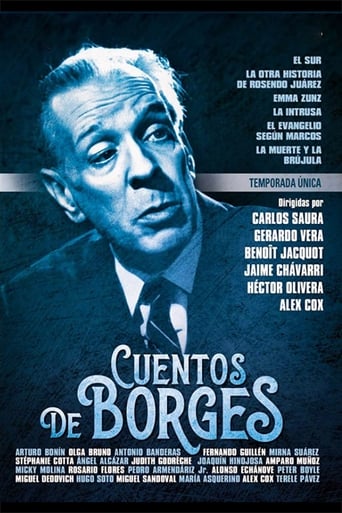
Cuentos de BorgesStoryTV 9.0
- 1990 Movie 3.7
-
1983
The GardenStoryMovie 5.7
-
1983
Profile of a Writer: Borgesas HimselfMovie
-
1979
LabyrinthWriterMovie
-
1978
Borges para millonesas HimselfMovie 10.0
- 1977 Movie
-
1975
Los orillerosScreenplayMovie 6.3
-
1975
The OthersScreenplayMovie 6.4
-
1975
Apostrophesas SelfTV 8.5
- 1975 Movie
-
1971
The Minotaur MaskStoryMovie 4.3
-
1969
InvasionStory · ScreenplayMovie 7.2
-
1962
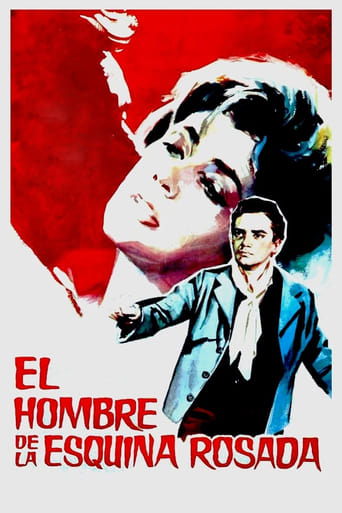
Man on Pink CornerStoryMovie 6.5
-
1954
Days of HateScreenplayMovie 6.8
-
1952
La EsperaStoryMovie