 7.6


Chick Strand
- Born
- Dec 3, 1931
- Died
- Jul 11, 2009 (aged 77)
- Birthplace
- Northern California, USA
- Also known as
- Mildred 'Chick' Strand
Biography
Mildred "Chick" Strand's accomplishments as an artist spanned more than three decades. In the early 1960s, with a new anthropology degree in hand, she turned her attention to ethnographic filmmaking. Her early work focused on Meso-American cultures explored through the language of the experimental documentary.
In 1961, she founded Canyon Cinema with Bruce Baillie, an organization that, in 1965, spawned the San Francisco Cinematheque. They organized screenings of experimental, documentary and narrative films in East Bay backyards and community centers. Acting in response to a lack of public venues for independent movies, they were part of a wider explosion in American avant-garde film. The era was one of social idealism and communal energy, and the films they showcased boldly embraced purely cinematic visual expression and cultural critique.
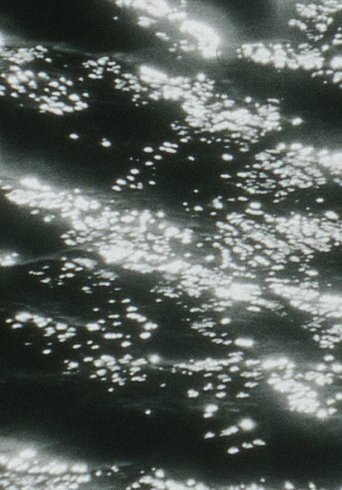
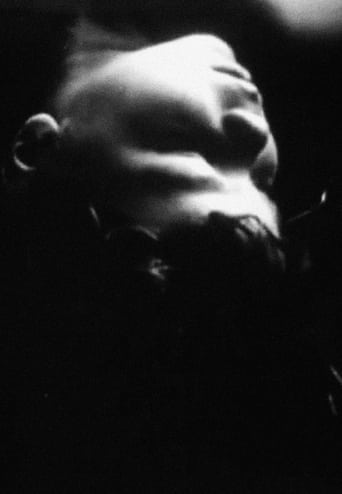
Strand left Northern California in the late 1960s to pursue studies in ethnographic film at UCLA. She then joined the faculty of Occidental College, where she served as the director of the film as art program for a quarter of a century. In the 1970s she continued to define her visual technique, and her subjects more frequently became women. She soon evolved a distinctive film style: backlit subjects photographed in close up and in motion, with a handheld telephoto lens. The technique produced sensual, lyrical images that became Strand's signature. Her entire filmography numbers nearly a score of works, and along the way, she also become an accomplished photographer and painter.
Known for





Filmography 23
-
2011
Woman with FlowersDirectorMovie
-
1986
Fake Fruit FactoryDirectorMovie 5.4
-
1986
Artificial ParadiseDirectorMovie 4.0
-
1986
Coming Up for AirDirectorMovie 5.0
-
1986
Anselmo and the WomenDirectorMovie
-
1986
By the LakeDirectorMovie
-
1979
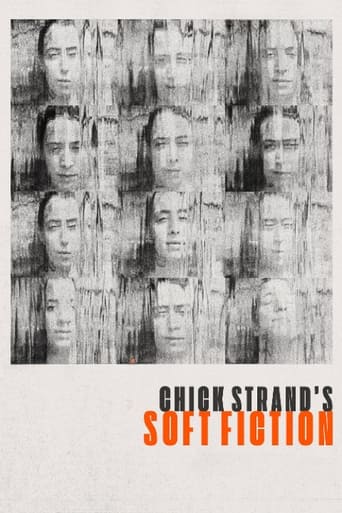
Soft FictionDirectorMovie 7.6
-
1979
KristallnachtDirectorMovie 9.0
-
1979
Cartoon Le MousseDirectorMovie
-
1979
Fever DreamDirectorMovie
-
1979
Loose EndsDirector · WriterMovie 6.0
-
1976
Woman of a Thousand FiresDirectorMovie 10.0
-
1976
Cosas de mi vidaDirectorMovie 6.0
-
1975
ElasticityDirectorMovie 4.3
-
1975
GuacamoleDirectorMovie
- 1971 Movie
-
1970
Mosori MonikaDirectorMovie
-
1968
WaterfallDirectorMovie
-
1968
Sears SoxDirectorMovie
-
1968
Kulu Se MamaDirectorMovie
-
1967
AnselmoDirectorMovie
-
1966
Angel Blue Sweet WingsDirectorMovie 6.0
-
1965
Eric and the MonstersDirectorMovie