 7.1

Biography
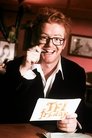
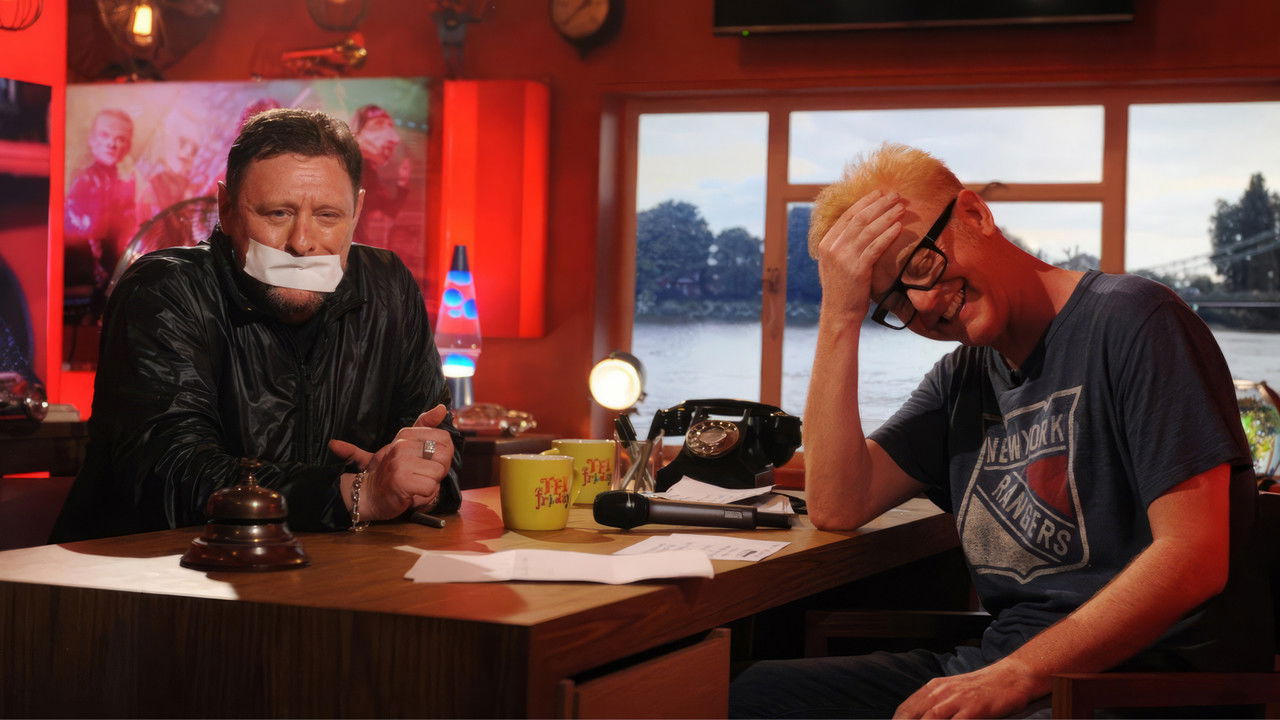
Nigel Kennedy (born 28 December 1956) is an English violinist and violist. His early career was primarily spent performing classical music, and he has since expanded into jazz, klezmer, and other music genres.
Kennedy's grandfather was Lauri Kennedy, principal cellist with the BBC Symphony Orchestra, and his grandmother was Dorothy Kennedy, a pianist. Lauri and Dorothy Kennedy were Australian, while their son, the cellist John Kennedy, was born in England. After graduating from the Royal Academy of Music in London, at age 22, John joined the Royal Liverpool Philharmonic Orchestra, later becoming the principal cellist of Sir Thomas Beecham's Royal Philharmonic Orchestra. While in England, John developed a relationship with an English pianist, Scylla Stoner, with whom he eventually toured in 1952 as part of the Llewellyn-Kennedy Piano Trio (with the violinist Ernest Llewellyn; Stoner was billed as "Scylla Kennedy" after she and John married). But they ultimately divorced, and John returned to Australia.
Kennedy was born in Brighton. A boy prodigy, as a 10-year-old he picked out Fats Waller tunes on the piano after hearing his stepfather's jazz records. At the age of 7, he became a pupil at the Yehudi Menuhin School of Music. He later studied at the Juilliard School in New York City with Dorothy DeLay. While there he helped to pay for his studies by busking with fellow student and cellist Thomas Demenga.
Kennedy has about 30 close relatives in Australia, whom he visits whenever he tours there.
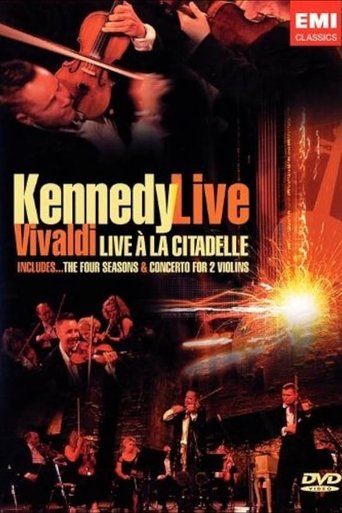
At the age of 16, Kennedy was invited by jazz violinist Stéphane Grappelli to appear with him at New York's Carnegie Hall. He made his recording debut in 1984 with Elgar's Violin Concerto. His subsequent recording of Vivaldi's The Four Seasons with the English Chamber Orchestra in 1989 sold over two million copies and earned a place as one of the best-selling of all classical recordings. The album remained at the top of the UK classical charts for over a year, with total sales of over three million units.
In 1992, Kennedy announced the end of his career in classical music. Around this time, he recorded the album Music in Colours with Stephen Duffy. He returned to the international concert platform in the mid-1990s. In 1997, he received an award for Outstanding Contribution to British Music at the BRIT Awards, and in 2001 received the 'Male Artist of the Year' award.
In other music genres, Kennedy recorded a cover of Jimi Hendrix's "Fire" for the 1993 album Stone Free: A Tribute to Jimi Hendrix. The same year, he made an appearance on Robert Plant's solo album Fate of Nations on the track "Calling to you". In 1999, Sony Classical released The Kennedy Experience, which featured improvisational recordings based on Hendrix compositions. Kennedy's autobiography, Always Playing, was published in 1991. ...
Source: Article "Nigel Kennedy" from Wikipedia in English, licensed under CC-BY-SA 3.0.
Known for
Filmography 25
-
2018
The Biggest Weekendas SelfTV
-
2015
Nigel Kennedy at the BBCas Self - PerformerMovie 5.0
- 2014 Movie 6.9
-
2008
Q&Aas Self - PanellistTV 3.7
- 2006 Movie
-
2005
Nigel Kennedy - Plays Bachas Self - ViolinMovie 6.0
-
2000
The Who & Special Guests: Live At The Royal Albert Hallas Self - ViolinMovie 7.2
-
1998
Sternstunde Kunstas SelfTV
-
1998
Vivement dimancheas SelfTV 3.6
- 1996 TV 7.1
-
1995
Die Harald Schmidt Showas SelfTV 7.4
-
1992
Terry Wogan's Friday Nightas SelfTV 6.5
- 1992 TV 5.9
-
1992
ECHO-Verleihungas SelfTV
- 1989 TV
-
1989
Vivaldi: The Four Seasonsas Self - ViolinMovie
-
1988
This Morningas SelfTV 5.1
-
1987
Going Live!as SelfTV 8.0
-
1985
Victoires de la musiqueas SelfTV 3.3
- 1978 TV 5.6
-
1977
The BRIT Awardsas SelfTV 10.0
-
1972
Le Grand Échiquieras SelfTV 8.0
-
1971
Great Performancesas SelfTV 6.0
-
1964
Top of the Popsas Self - HostTV 6.5
-
1948
Bambias SelfTV 9.0