7.3

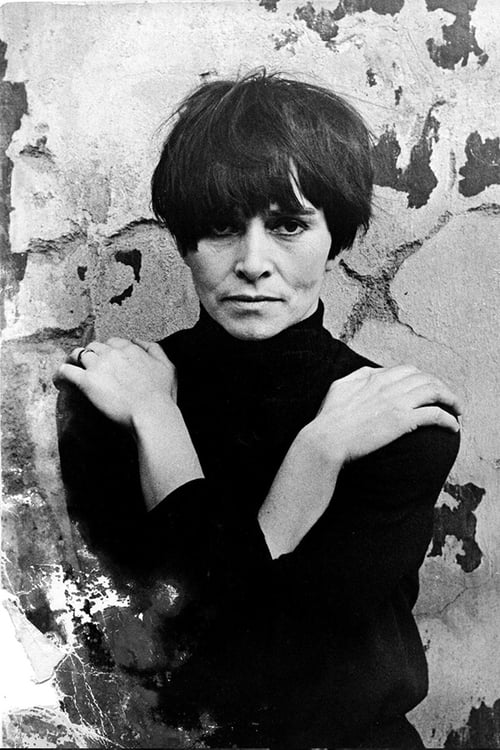
Věra Chytilová
- Born
- Feb 2, 1929
- Died
- Mar 12, 2014 (aged 85)
- Birthplace
- Ostrava, Czechoslovakia
- Also known as
- 베라 히틸로바 · 베라 치틸로바 · 维拉·希蒂洛娃
Biography
Věra Chytilová (February 2, 1929 – March 12, 2014) was an avant-garde Czech film director and pioneer of Czech cinema. At the age of 28 she was accepted into the Film and TV School of the Academy of Performing Arts in Prague (FAMU). While attending FAMU she studied underneath renowned film director Otakar Vavra, graduating in 1962.
Chytilová is best known for her once highly controversial film Sedmikrásky (Daisies) – (1966). Daisies is known for its un-sympathetic characters, lack of a continuous narrative and abrupt visual style. Chytilová states that she structured Daisies to “restrict [the spectator’s] feeling of involvement and lead him to an understanding of the underlying idea or philosophy”. The film was banned within Czechoslovakia upon its initial release in 1966 until 1967, but in 1966 the film won the Grand Prix at the Bergamo Film Festival in Italy. After Daisies the government made it very difficult for Chytilová to find work within Czechoslovakia, even though she was never officially classified as a 'blacklisted' director. After the Soviet Union invasion in 1968 it was virtually impossible for her to find work and she resorted to directing commercials under her husband’s name, Jaroslav Kučera.
In 1976, due to the low cinema attendance she was approached by the government to begin directing films through a state-run production company. At the same time the United States was assembling a 'Year of Women' Film Festival and contacted Chytilová to gain permission to screen Daisies as their opening film. She informed the festival that the only non-censored prints of the film could be found in Paris and Brussels, and that her government would not allow her to attend the festival, nor were they allowing her to direct films. The festival then began to apply international pressure upon the Czechoslovakian government by petitioning on Chytilová’s behalf. In accordance with this international pressure Chytilová wrote a letter directly to President Gustáv Husák. Due to the success of the international pressure, and Chytilová’s personal appeal to President Husak, Chytilová began production of Hra o jablko (The Apple Game, 1976). The Apple Game was completed and then was screened at the Karlovy Vary International Film Festival, and won the Silver Hugo and the Chicago International Film Festival.
Chytilová described herself as a control freak and was known as being actively critical of the Soviet Union, stating that “My critique is in the context of the moral principles you preach, isn’t it? A critical reflection is necessary”. She would routinely cause havoc to make films that were loyal to her vision regardless of the heavy censorship that was routinely imposed. Věra Chytilová’s last film was released in 2006, and she has taught directing at FAMU.
Chytilová embodied a unique cinematographic language and style that does not rely on any literary or verbal conventions, but rather utilizes various forms of visual manipulations to create meaning within her films. Chytilová used observations of everyday life in accordance with allegories and surreal contexts to create a personalized film style that is greatly influenced by the French New Wave, and Italian neorealism.
Known for
7.3 7.0
Panelstory or Birth of a Community
 5.8
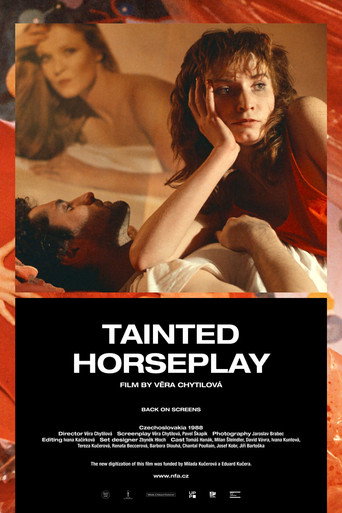
A Hoof Here, a Hoof There
 6.2
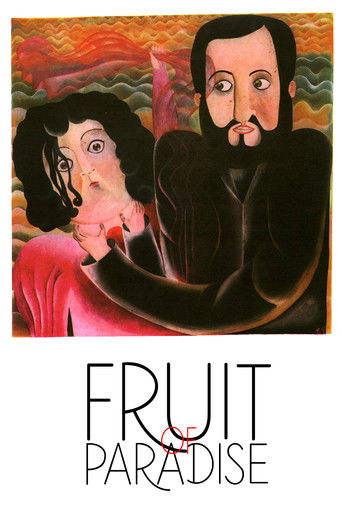
Fruit of Paradise
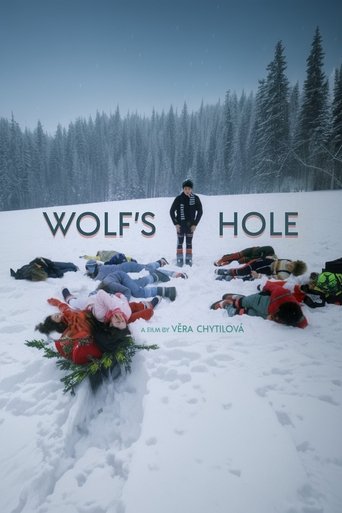 6.6
Wolf's Hole
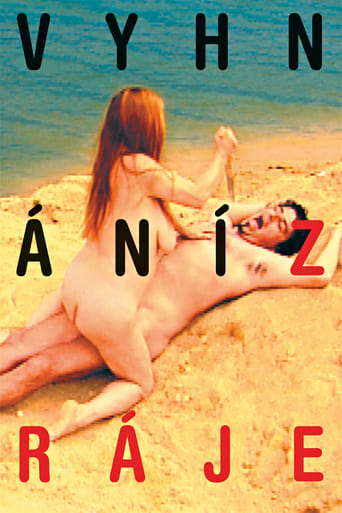 4.8
Expulsion from Paradise
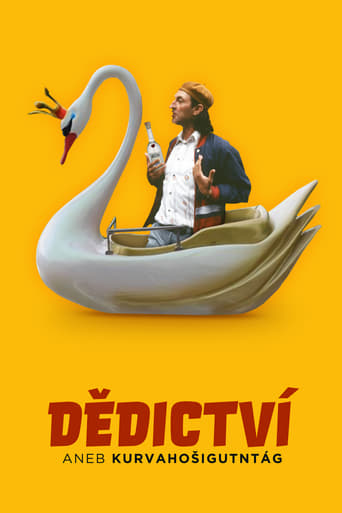 6.9
The Inheritance or Fuckoffguysgoodday
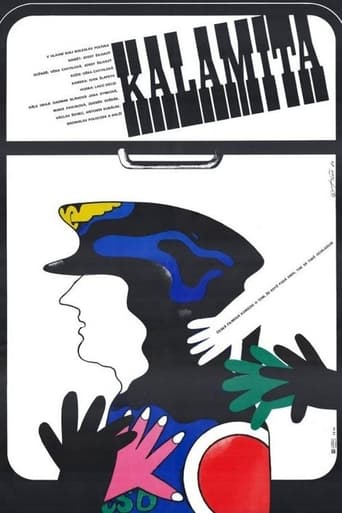 5.7
Calamity
 8.0
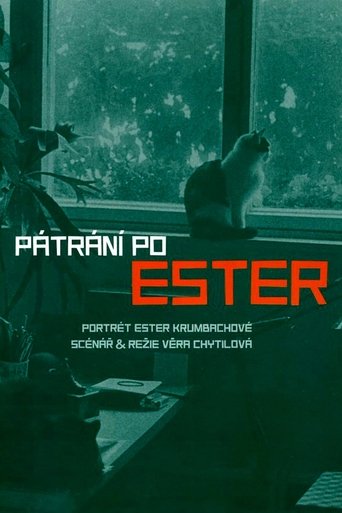
Searching for Ester
 7.5
Caterwauling
 4.7
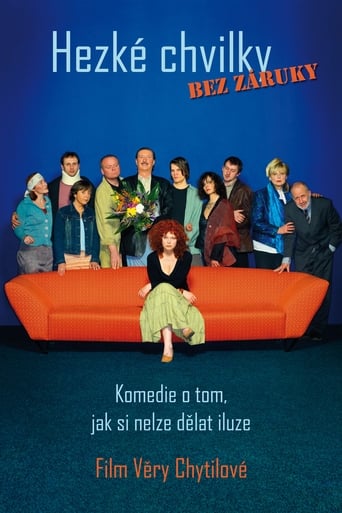
Pleasant Moments
 6.0
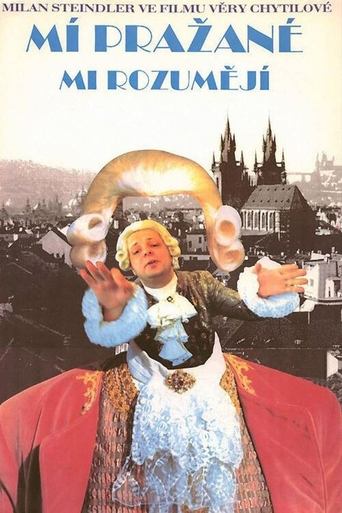
My Pragues Understand Me
 4.9
The Very Late Afternoon of a Faun
 7.0
Seven Days to Remember
 6.1
The Apple Game
 5.8
Pearls of the Deep
Filmography 41
- 2018 Movie 6.5
-
2016
To Make a Comedy Is No Funas SelfMovie 5.8
- 2012 Movie
-
2009
Golden Sixtiesas SelfTV
-
2007
TroublemakersDirector · Screenplay · StoryMovie
-
2006
Pleasant MomentsDirector · WriterMovie 4.7
-
2005
Searching for Esteras Herself · DirectorMovie 8.0
-
2004
Journey: Portrait of Věra Chytilováas HerselfMovie 4.0
-
2003
Trója v proměnách časuScreenplay · Director · StoryMovie
-
2001
Expulsion from ParadiseDirector · ScreenplayMovie 4.8
-
2000
Flights and FallsScreenplay · Story · DirectorTV 9.0
-
1998
TrapsDirector · Story · ScreenplayMovie 5.0
-
1995
GENUSDirector · WriterTV
-
1993
Kam panenky...Screenplay · Director · StoryMovie
-
1992
The Inheritance or FuckoffguysgooddayDirector · ScreenplayMovie 6.9
-
1991
My Pragues Understand MeDirector · Screenplay · StoryMovie 6.0
-
1990
TGM the LiberatorDirector · Story · ScreenplayMovie 10.0
-
1989
A Hoof Here, a Hoof ThereDirector · ScreenplayMovie 5.8
-
1988
The Jester and the QueenDirector · Story · ScreenplayMovie 6.8
-
1987
Wolf's HoleDirector · ScreenplayMovie 6.6
-
1985
Prague – The Restless Heart of EuropeStory · Director · ScreenplayMovie 6.7
-
1984
The Very Late Afternoon of a FaunDirector · ScreenplayMovie 4.9
-
1982
CalamityDirector · ScreenplayMovie 5.7
-
1981
Panelstory or Birth of a CommunityDirector · Screenplay · StoryMovie 7.0
-
1981
Chytilová Versus Formanas Self · DirectorMovie 8.0
-
1978
Time is inexorableStory · Director · ScreenplayMovie 8.0
-
1978
The Apple GameDirector · Screenplay · StoryMovie 6.1
-
1971
ComradesDirector · ScreenplayMovie 8.0
-
1970
Fruit of ParadiseDirector · ScreenplayMovie 6.2
-
1970
Pravdaas Self (uncredited)Movie 5.7
-
1966
DaisiesScreenplay · Director · StoryMovie 7.3
-
1966
An Occasion to Speakas SelfMovie
-
1966
Pearls of the DeepDirector · ScreenplayMovie 5.8
-
1963
Something DifferentStory · Screenplay · DirectorMovie 6.4
-
1963
A Bagful of FleasScreenplay · Story · DirectorMovie 6.2
-
1962
Green Streetas Commentary (voice) · Story · Director · ScreenplayMovie 6.4
-
1962
Ceilingas Model (voice) · Screenplay · Story · DirectorMovie 5.5
-
1961
Occasional Journal IDirectorMovie
-
1960
Caterwaulingas Cat (voice) · Screenplay · DirectorMovie 7.5
- 1957 Movie 8.2
-
1951
The Emperor and the Golemas First HandmaidenMovie 7.0