 8.5


Jorge Negrete
- Born
- Nov 30, 1911
- Died
- Dec 5, 1953 (aged 42)
- Birthplace
- Guanajuato, Mexico
- Also known as
- El Charro Inmortal · El Charro Cantor
Biography
Jorge Alberto Negrete Moreno (30 November 1911 – 5 December 1953) is considered one of the most popular Mexican singers and actors of all time.
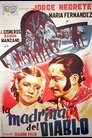
Negrete was born in the City of Guanajuato where he was raised together with his brother and three sisters, and also lived in San Luis Potosí. From an early age, Negrete demonstrated a great brilliance and rapidly became a prominent student in the eyes of his teachers. He spoke five languages: Spanish, German, English, French, Italian, and even Nahuatl (a Mesoamerican dialect). Despite his brilliance, Negrete decided to abandon his studies at the age of thirteen to enroll in the military. He graduated with the rank of sub-lieutenant from El Colegio Militar, Mexico’s military academy. This was the place where his fascination for music developed. Not only did he develop an interest for music but his military training forged him a gallant presence and character which would later benefit him in his acting career. Negrete met and studied under José Pierson, a prestigious singing professor, who became fascinated the moment he heard Negrete sing. Pierson helped Negrete develop his talent for Opera which led him to become well known in the United States. Handsome, with a very strong will and a trained, fascinating voice, he is still a top icon in Mexico, Spain and Latin America, more than 50 years after his death. His recording of "México Lindo y Querido" ("Beautiful and Beloved México"), his country’s unofficial anthem, is the best known recording of the song. His career is often compared to that of Pedro Infante, the most popular Mexican actor of the time. The public rivalry didn’t carry over to their private lives, as they were close friends until Negrete’s death. He married twice, to famous actresses with whom he shared credits: Elisa Christy and María Félix. He also lived with his frequent co-star, for more than ten years. Gloria Marín co-starred in 10 out of his 44 films. He started his career singing on the radio in 1931 in Mexico City singing operatic parts. In 1936 he signed with NBC Television for a TV program with Cuban and Mexican musicians. He returned to Mexico in 1937 to act in the film La Madrina Del Diablo ("The Devil's Godmother") and because of the success of the film he was able to sign for several more the next three years. In 1938 he starred in La Valentina with Elisa Christy and then in Juntos Pero No Revueltos. After working in Havana and Hollywood he was called to act in ¡Ay Jalisco, No Te Rajes! ("Hey Jalisco, Don’t Back Down!") which made him an international Latin star and helped formulate the charro film genre. Filming this film he met Gloria Marín, starting their romance and the string of films they filmed together. He complemented his film career by singing rancheras with the trio Los Tres Calaveras and touring Latin America, singing concerts and making personal appearances. He was offered the main role in El Peñón de las Ánimas (The Rock of Souls) and wanted Marín to be his co-star. In spite of his protests, newcomer María Félix became his star and eventually his wife, although they at first despised each other while filming the film.
Known for
8.5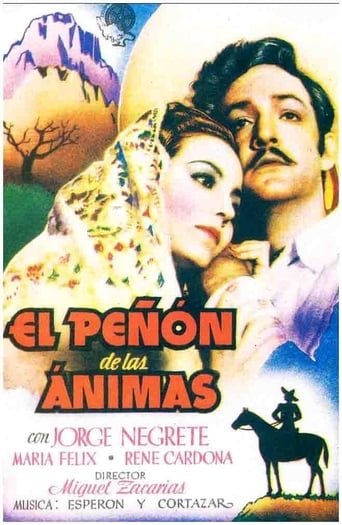 6.2
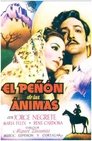
The Rock of Souls
 6.2
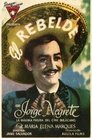
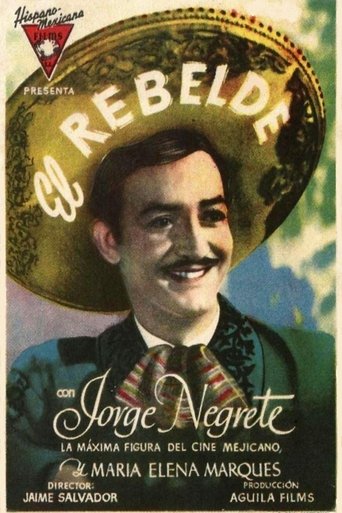
El rebelde (Romance de Antaño)
 5.3
Gran Casino
 6.2
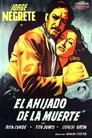
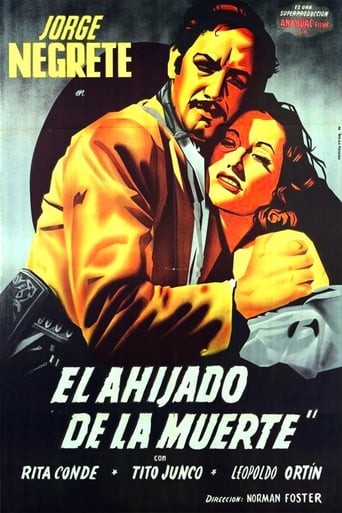
El ahijado de la muerte
 4.8
A Man, When He Is a Man
 6.5
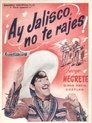
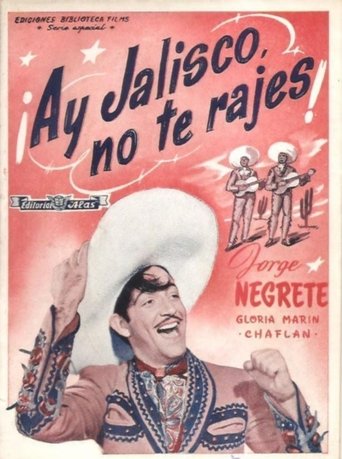
Ay, Jalisco, Don't Give Up!
 7.5
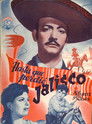
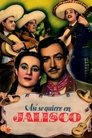
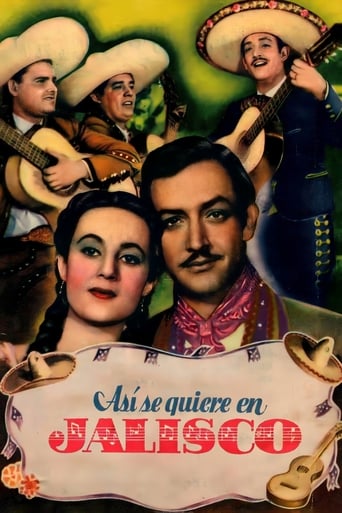
Así se quiere en Jalisco
 6.3
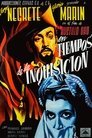
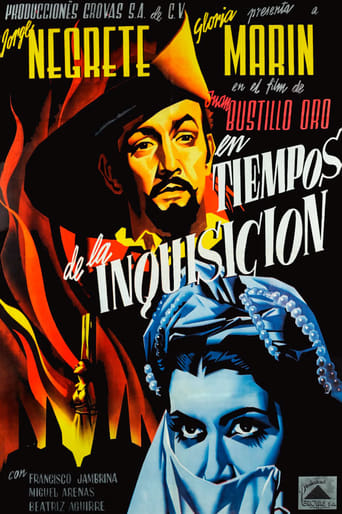
En tiempos de la inquisición
 6.5
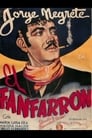
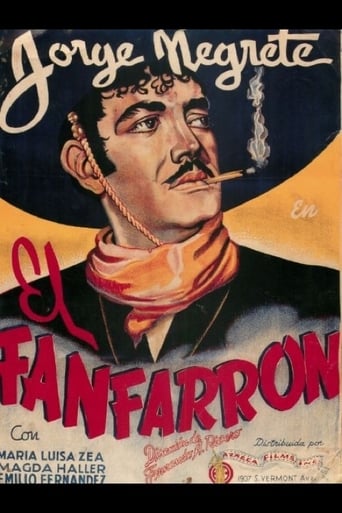
El fanfarrón: ¡Aquí llegó el valentón!
 6.1
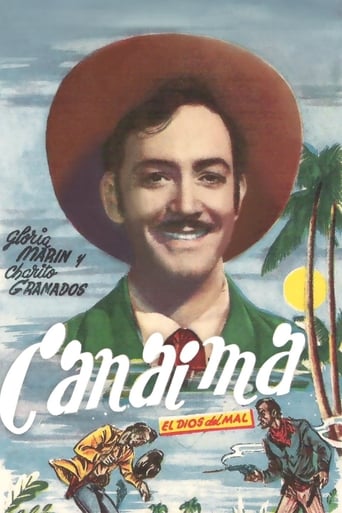
Canaima
 6.2
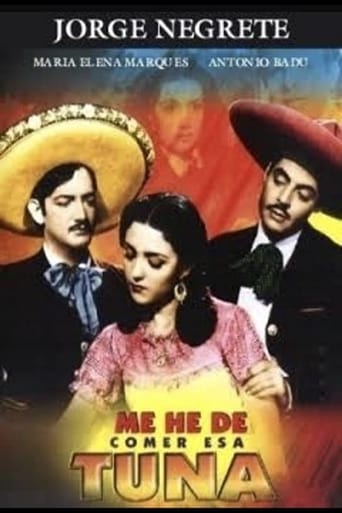
Me he de comer esa tuna
 5.8
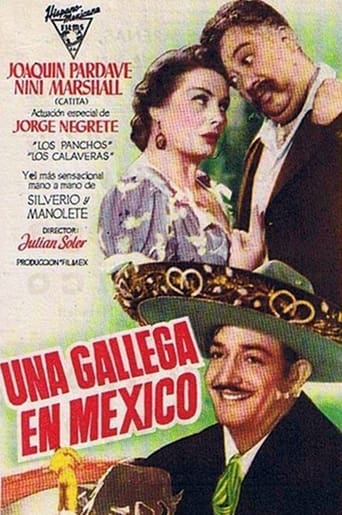
Una gallega en México
 6.0
Una luz en mi camino
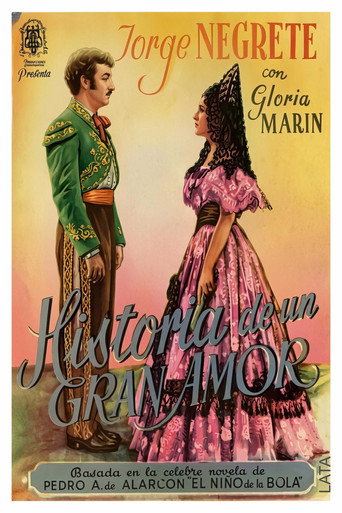 6.7
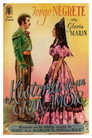
Story of a Great Love
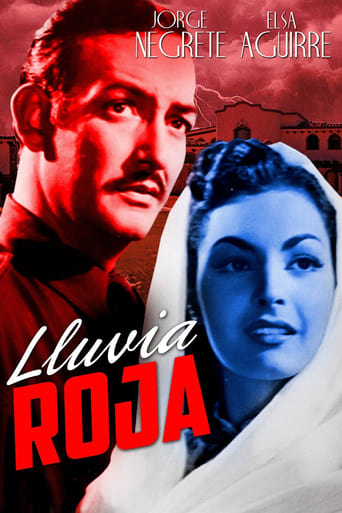 6.2
Red Rain
Filmography 47
-
1983
A Man, When He Is a Manas (archive footage)Movie 4.8
- 1979 Movie 6.0
-
1976
Songs for After a Waras Self (archive footage) (uncredited)Movie 6.8
- 1955 Movie 6.5
-
1954
The Abductionas Ricardo AlfaroMovie 4.9
-
1953
Reportajeas Singer serenading the movie starMovie 7.3
-
1953
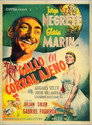
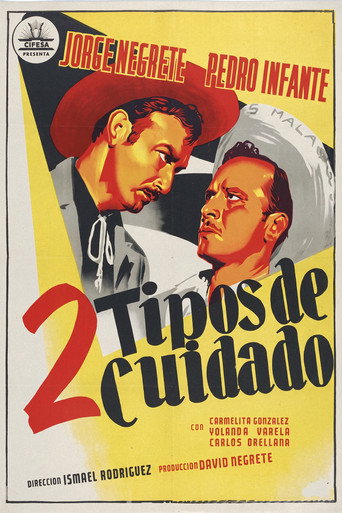
Dos tipos de cuidadoas Jorge BuenoMovie 8.5
- 1953 Movie 5.7
-
1952
The Straying Roosteras Daniel/Joaquín MontanoMovie 6.5
-
1952
Los tres alegres compadresas Pancho MirelesMovie 6.2
- 1952 Movie 5.4
- 1952 Movie 5.7
-
1950
Teatro Apoloas Miguel VelascoMovie 6.6
-
1950
Red Rainas Enrique MonteroMovie 6.2
-
1950
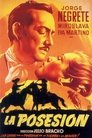
The Possessionas Román RuizMovie 5.9
- 1949 Movie 5.8
-
1949
Jalisco canta en Sevillaas Nacho MendozaMovie 6.4
-
1949
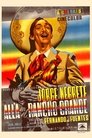
Out on the Big Ranchas José FranciscoMovie 5.8
- 1948 Movie 6.1
-
1947
Gran Casinoas Gerardo RamírezMovie 5.3
-
1946
El ahijado de la muerteas Pedro / El AhijadoMovie 6.2
- 1946 Movie 6.3
-
1946
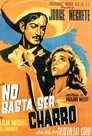
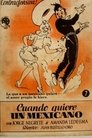
It’s Not Enough to Be a Charroas Ramón Blanquet / Jorge NegreteMovie 7.1
-
1945
Canaimaas Marcos VargasMovie 6.1
- 1945 Movie 6.0
-
1945
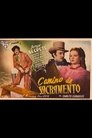
Camino de Sacramentoas Juan RuizMovie 6.3
- 1945 Movie 6.2
- 1944 Movie 6.0
-
1943
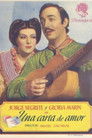
A Letter of Loveas Jefe LiberalMovie 6.4
- 1943 Movie 6.0
-
1943
El fanfarrón: ¡Aquí llegó el valentón!as AlbertoMovie 6.5
- 1943 Movie 6.4
-
1943
El rebelde (Romance de Antaño)as Juan Manuel de MendozaMovie 6.2
-
1943
The Rock of Soulsas Fernando IturriagaMovie 6.2
- 1942 Movie 7.5
-
1942
Story of a Great Loveas Manuel y Rodrigo VenegasMovie 6.7
- 1942 Movie 5.7
-
1942
Cuando viajan las estrellasas Fernando LazoMovie 6.0
-
1941
Fiestaas José (as George Negrete)Movie 6.0
- 1941 Movie 6.5
-
1939
Una luz en mi caminoas Invitado a teatroMovie 6.0
- 1939 Movie 4.7
-
1938
El Cementerio De Las Aguilasas Miguel de la PeñaMovie 6.0
- 1938 Movie 6.0
- 1938 Movie 6.0
- 1938 Movie 6.2
- 1937 Movie 6.0