 6.8

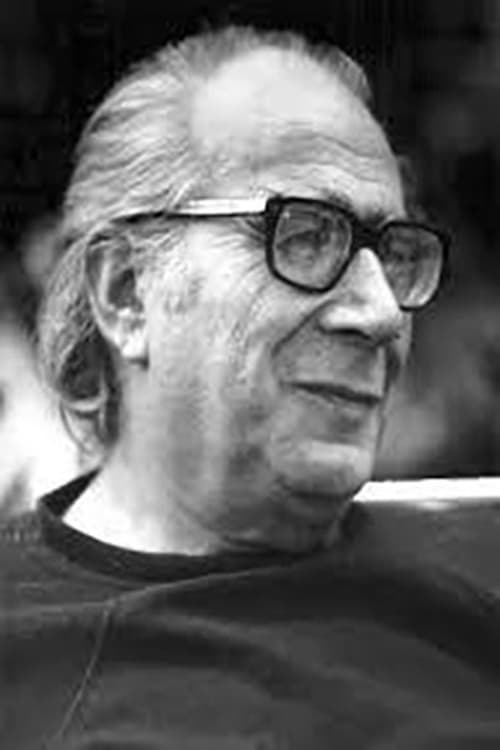
Biography
Diego Fabbri (July 2, 1911 – August 14, 1980) was an Italian playwright whose plays centered on religious (Catholic) themes.
Fabbri graduated from the University of Bologna in 1936 with a degree in economics and business. But his writing career had begun well before that. His first play, The Flowers of Pain, was published in 1928. He followed it with The Node, which was banned by the fascist government.
In 1938, he collaborated with Guido Chiesa to write the play Absent. In 1939 Fabbri received an invitation to Rome, to become director of the Publisher Avenue. Then, in 1940, he was appointed secretary of the Catholic Film Center. He held the post until 1959. During this time, Fabbri began work on The Literary Fair. His co-director on this project was the poet Vincenzo Cardarelli. The project could not be completed until 1966, and Vincenzo Cardarelli did not live to see it.
Fabbri was particularly prolific in 1940. In that year, he wrote three plays: “Marshes”, “Meadow”, and “Fun”. The following year he came out with “Orbits”, which was staged at the Teatro Quirino in Rome. “Marshes” was staged in the same theater in 1942.
One of Fabbri's best known works is Inquisition, which was written in 1946. His career as a screenwriter and scriptwriter began with collaborations with directors as Vittorio De Sica, Alessandro Blasetti, and Germs. He also worked with other film makers such as Roberto Rossellini, Federico Fellini, Paw, Michelangelo Antonioni, René Clair, Luis Buñuel and Fleischer. In 1951 his The Seducer was represented. Fabbri wrote the screenplay for films like the Family Process (1953), The Liar (1954), Trial of Jesus (1955), Vigil of Arms (1956), Delirium (1957), Sons of Art (1959), Process Karamazov (1960), The Squirrel (1961), At the Table Do Not Talk About Love (1962), The Confidant (1964) and The Event (1967). Fabbri was head of the Roman Theatre La Cometa from 1960 to 1962. In 1968 he became President of ETI (Italian Theatre). His term there was marked by a policy of expansion and inculcating a theater culture throughout the country.
Fabbri commitment to creating a national theater is reflected in the declaration of the manifesto for a theater of the people, which he signed in 1943, along with other prominent literati such as Pandolfi and Pinelli. Fabbri was one of the founders of the National Union of Drama Writers in 1945.
Fabbri was born in Forlì, where a theatre is named after him. His best known plays are Inquisizione (Inquisition) and Processo a Gesú (The Trial of Jesus). He died in Riccione.
Source: Article "Diego Fabbri" from Wikipedia in English, licensed under CC-BY-SA.
Known for
6.8 7.0
At Theatre Tonight
 9.0
Le inchieste del commissario Maigret
 6.8
El Cid
 6.9
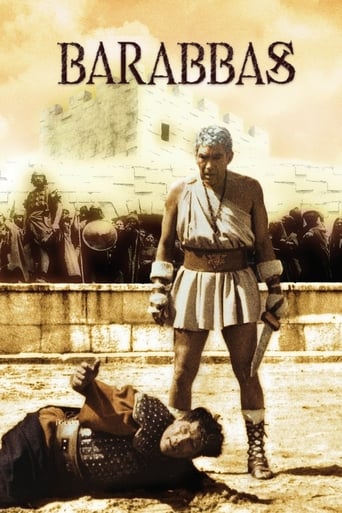
Barabbas
 7.5
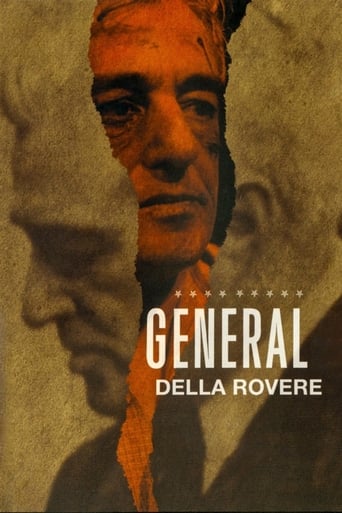
General Della Rovere
 7.0
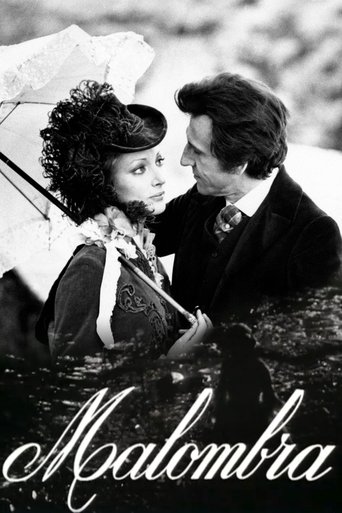
Malombra
 9.1
The Brothers Karamazov
 6.0
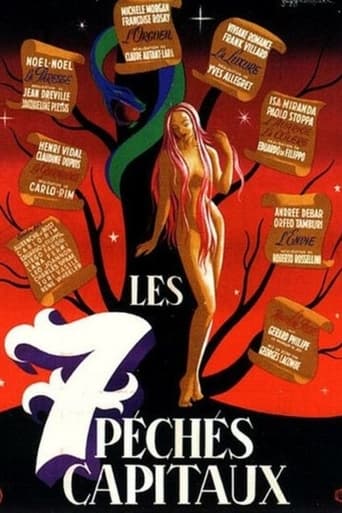
The Seven Deadly Sins
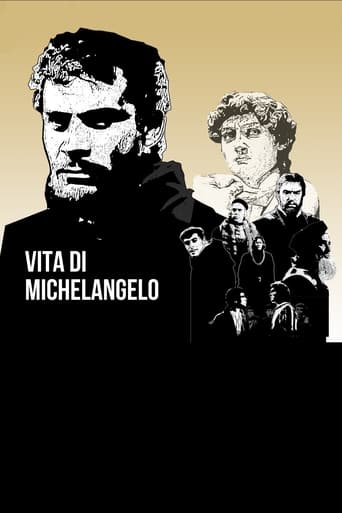 7.0
Vita di Michelangelo
 6.6
The Mysteries of Paris
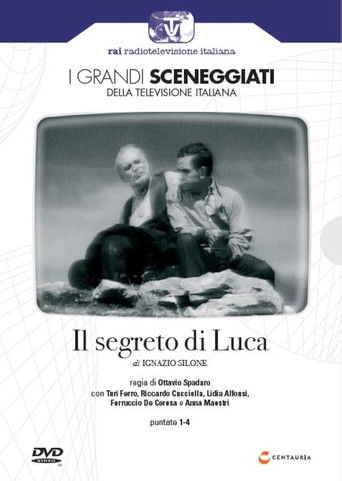
Il segreto di Luca
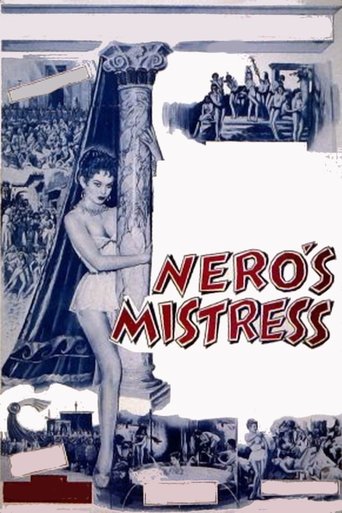 5.9
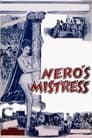
Nero's Mistress
 5.3
Constantine and the Cross
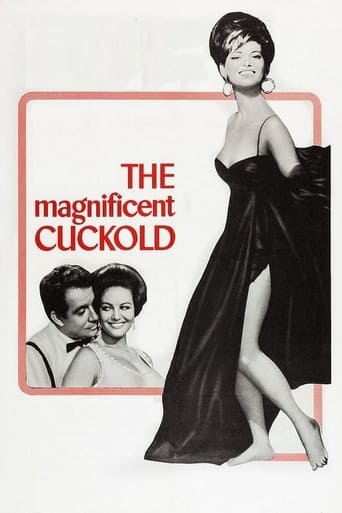 6.6
The Magnificent Cuckold
 5.9
The Law
Filmography 49
-
1981
From a Far CountryStoryMovie 4.6
-
1974
MalombraScreenplayTV 7.0
-
1974
The VoyageScreenplayMovie 5.2
-
1969
The Brothers KaramazovWriter · CreatorTV 9.1
-
1966
The Wedding MarchStory · ScreenplayMovie 6.5
-
1965
Una vita in giocoWriterTV 8.0
-
1964
Le inchieste del commissario MaigretWriter · CreatorTV 9.0
-
1964
Vita di MichelangeloWriterTV 7.0
-
1964
The Magnificent CuckoldScreenplayMovie 6.6
-
1964
Theatre 625WriterTV 6.8
-
1964
El señor de La SalleStoryMovie 7.2
-
1963
L'un d'entre vousScreenplayMovie
-
1963
Cast the Same ShadowWriterMovie 9.0
-
1963
The Conjugal BedScreenplayMovie 6.5
-
1962
The Mysteries of ParisWriterMovie 6.6
-
1961
BarabbasWriterMovie 6.9
-
1961
The Corsican BrothersScreenplayMovie 6.2
-
1961
Seduction Of The SouthScreenplayMovie 5.3
-
1961
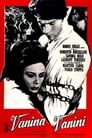
Vanina VaniniScreenplayMovie 6.0
-
1961
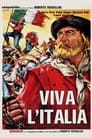
Viva l'Italia!ScreenplayMovie 6.5
-
1960
Escape by NightScreenplayMovie 7.0
-
1960
The Angel Wore RedScreenplayMovie 5.0
-
1959
General Della RovereScreenplay · StoryMovie 7.5
-
1958
Toto and MarcellinoScreenplayMovie 6.4
-
1957
This Angry AgeScreenplayMovie 6.1
-
1956
Nero's MistressScreenplayMovie 5.9
-
1954
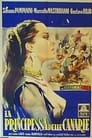
The Island PrincessWriterMovie 6.0
-
1953
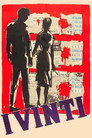
The VanquishedStory · ScreenplayMovie 6.3
-
1953
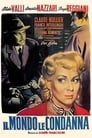
The World Condemns ThemStory · ScreenplayMovie 4.0
-
1953
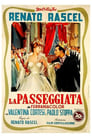
La passeggiataScreenplayMovie 8.0
-
1952
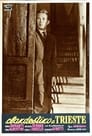
Fugitive in TriesteWriterMovie 9.0
-
1952
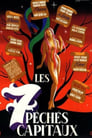
The Seven Deadly SinsScreenplayMovie 6.0
-
1952
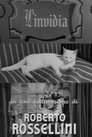
L'invidiaWriterMovie
-
1952
Marito e MoglieScreenplayMovie 7.5
-
1951
VerginitàScreenplayMovie 4.2
-
1950
Twelve Hours to LiveScreenplayMovie 6.2
-
1950
The Last Days of PompeiiScreenplayMovie 5.3
-
1949
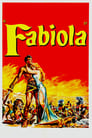
FabiolaStoryMovie 5.8
-
1948
Islands in the LagoonWriterMovie 6.4
-
1948
Guerra alla guerraWriterMovie
- 1948 Movie 8.0
-
1947
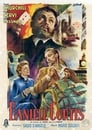
Daniele CortisWriterMovie 9.0
-
1946
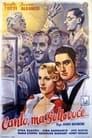
Canto, ma sottovoce...ScreenplayMovie 7.0
-
1946
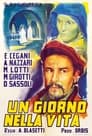
A Day in the LifeScreenplay · StoryMovie 6.5
-
1946
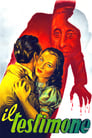
The TestimonyScreenplayMovie 6.5
-
1945
Fear No EvilScreenplay · StoryMovie 7.0
-
1945
The Gates of HeavenScreenplayMovie 6.1
-
1945
I dieci comandamentiWriterMovie 7.0
-
1942
The Story of the PopeScreenplayMovie 5.7