 7.1
Biography
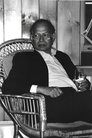
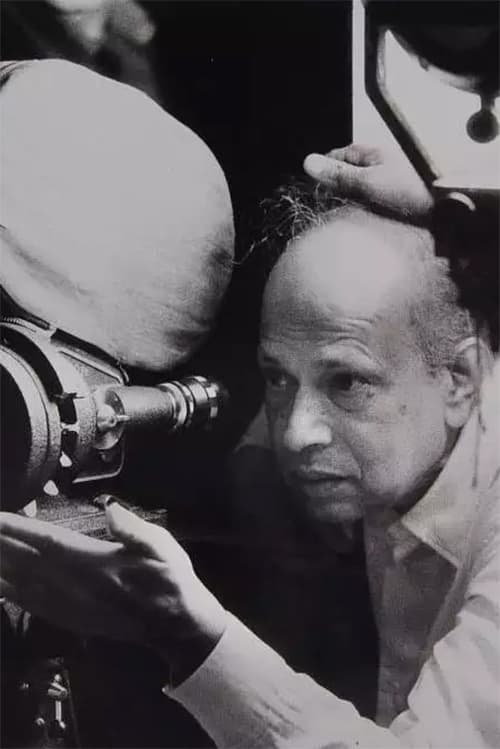
Tapan Sinha (2 October 1924 – 15 January 2009) was one of the most prominent Indian film directors of his time who made more than 40 feature films in Bengali, Hindi and Oriya in a career spanning nearly half a century. A contemporary of West Bengal's cinema icons - Satyajit Ray, Ritwik Ghatak and Mrinal Sen - Sinha was an equally powerful storyteller who, like his favourite novelist, Charles Dickens, won a large and appreciative audience by dealing with the problems that confront ordinary people.
Born in Kolkata, Sinha was the fifth child of Tridibesh and Pramila Sinha. He attended schools in Bhagalpur and Bankura. As a student at Patna University, Bihar, Sinha responded sympathetically to Mahatma Gandhi's Quit Indiamovement, launched against the British in 1942. However, when he moved to Kolkata University, where he was studying for an MSc in physics, he fell under the spell of British and American film-makers, particularly John Ford, Billy Wilder, Frank Capra and Carol Reed. He later claimed that it was Jack Conway's 1935 version of Dickens's A Tale of Two Cities that motivated him to become a film-maker.
After gaining his master's in 1946, Sinha joined the New Theatres studios, Kolkata, as a trainee sound engineer. Two years later, he moved to the Kolkata Movietone studio and, in 1950, he received an invitation to the London film festival and an opportunity to work at Pinewood studios, near London, where he took a job in the director Charles Crichton's unit as a sound engineer. While in London, he was exposed to the works of Italian directors Federico Fellini, Vittorio De Sica and Roberto Rossellini. On returning to India, Sinha made his first film, Ankush (The Goad, 1954), which featured an elephant belonging to a zamindar (tax collector) as the central character. His final film was released in 2001.
Sinha, whom many critics regarded as India's David Lean, was honoured at international festivals in Berlin, Venice, London, Moscow and San Francisco and had received the Dadasaheb Phalke award, the highest cinema honour from the Indian government in 2008.
Known for

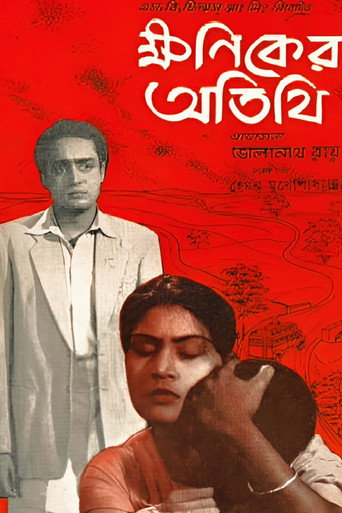
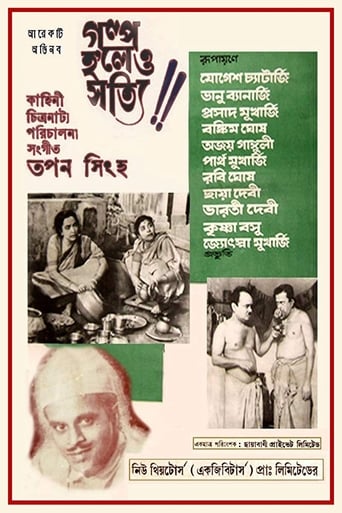


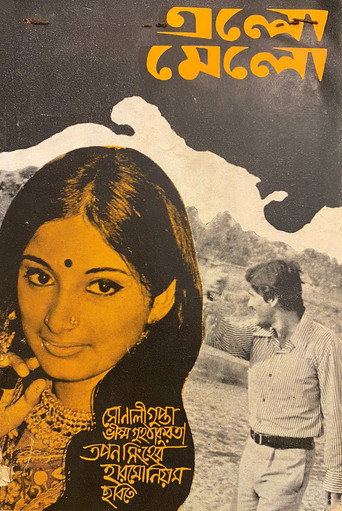
Filmography 43
-
2009
Teen MurtiStory · ScreenplayMovie
-
2001
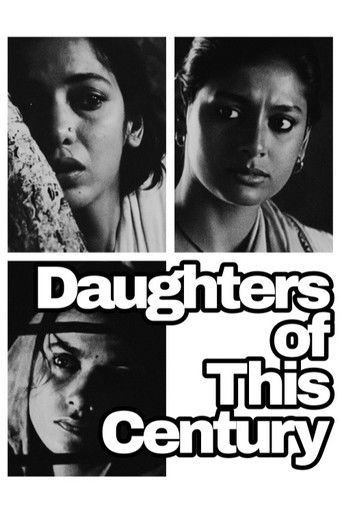
Daughters of This CenturyDirectorMovie 9.0
-
2000
The Magic PearlDirectorMovie 6.5
- 1998 Movie 7.5
-
1994
Wheel ChairDirectorMovie 7.6
-
1994
Filmmaker for freedomas Archival footageMovie
-
1991
DisappearanceDirectorMovie
-
1990
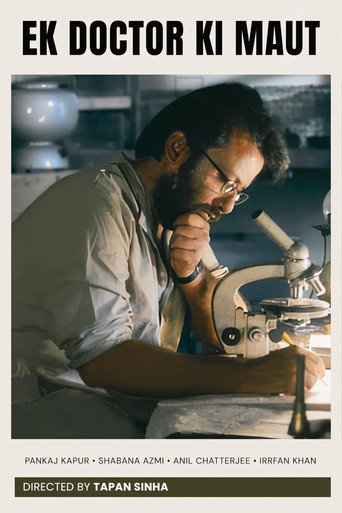
Ek Doctor Ki MautDirector · ScreenplayMovie 6.5
-
1989
DidiDirectorMovie 8.0
-
1988
Today's Robin HoodDirector · Writer · ProducerMovie 8.8
-
1986
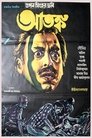
TerrorWriter · Screenplay · DirectorMovie
-
1985
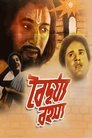
Baidurya RahasyaScreenplay · DirectorMovie
-
1984
Man and WomanDirectorMovie 9.5
-
1982
The Law and a LadyDirectorMovie 7.0
-
1980
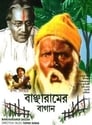
The Garden of BancharamDirector · ScreenplayMovie 7.0
-
1979
Sabuj Dwiper RajaDirector · ScreenplayMovie 8.0
-
1977
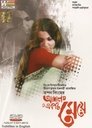
Ek Je Chhilo DeshDirector · ScreenplayMovie
-
1977
The White ElephantDirectorMovie 7.5
-
1976
HarmoniumScreenplay · DirectorMovie
-
1974
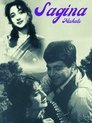
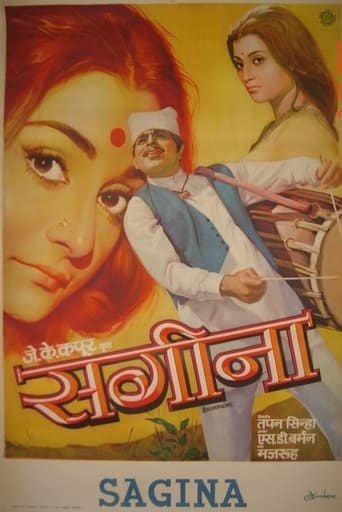
SaginaDirector · ScreenplayMovie 8.0
-
1973
Crossing the DarknessDirectorMovie
-
1972
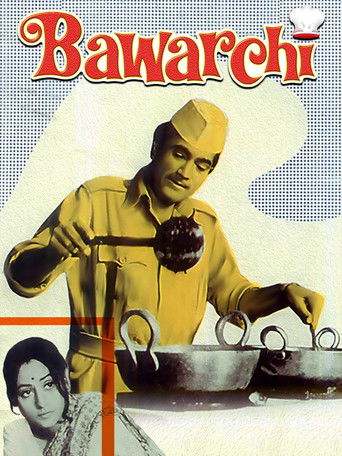
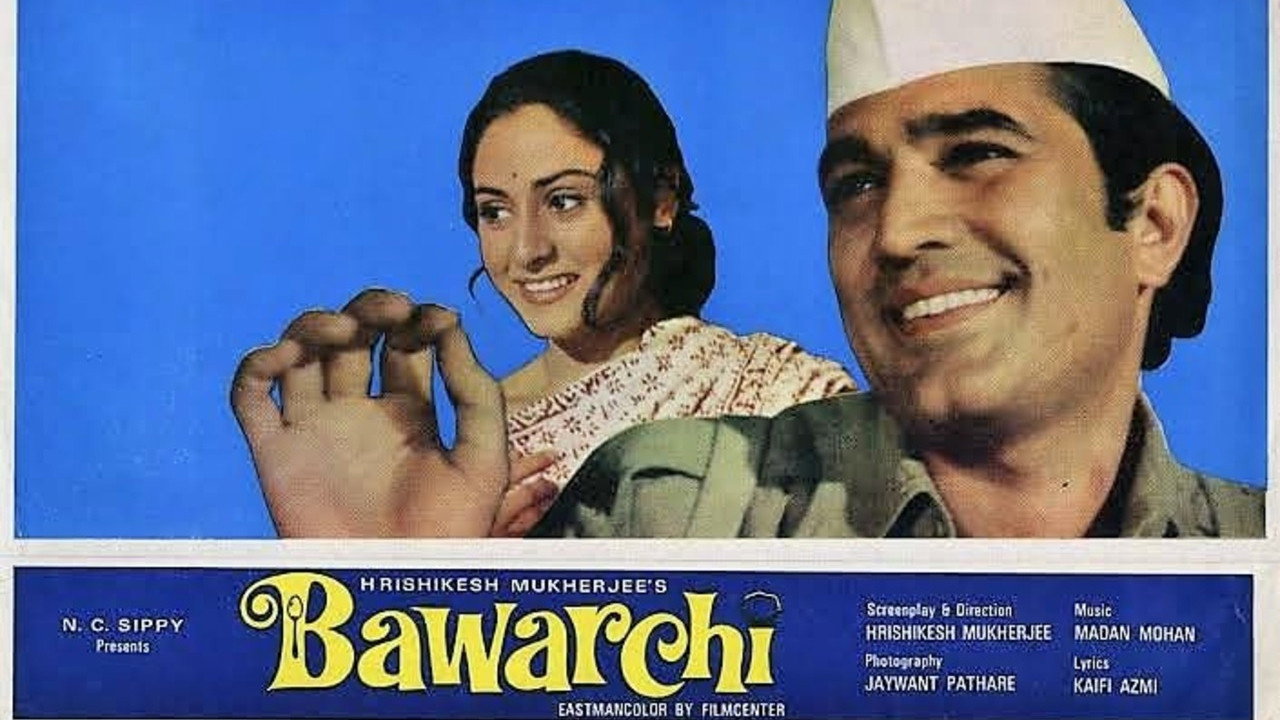
BawarchiWriterMovie 7.1
-
1972
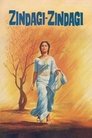
Zindagi ZindagiDirectorMovie 8.0
-
1971
Sagina MahatoDirectorMovie 7.5
-
1971
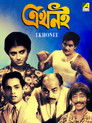
EkhoneeScreenplay · DirectorMovie
-
1968
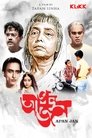
ApanjanDirectorMovie 10.0
-
1967
Hatey BazareyScreenplay · DirectorMovie 5.8
-
1966
Galpo Holeo SattiDirector · Writer · StoryMovie 8.1
-
1965
AtithiDirector · ScreenplayMovie 9.0
-
1964
AscendingScreenplay · DirectorMovie 8.0
-
1964
JatugrihaScreenplay · DirectorMovie 10.0
-
1963
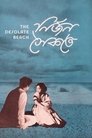
The Desolate BeachDirector · ScreenplayMovie 6.2
-
1962
Aamar DeshDirector · StoryMovie
-
1962
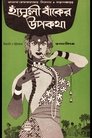
Hansuli Banker UpakathaDirector · ScreenplayMovie 10.0
-
1961
The Prisoner of JhindDirectorMovie 7.6
-
1960
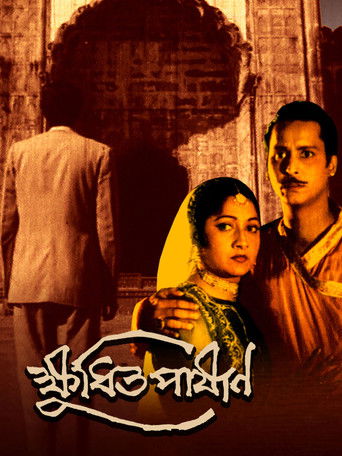
The Hungry StonesDirector · ScreenplayMovie 7.0
-
1959
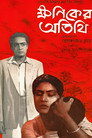
Khaniker AtithiDirectorMovie
-
1958
KalamatiDirectorMovie
-
1958
Iron DoorDirectorMovie
-
1957
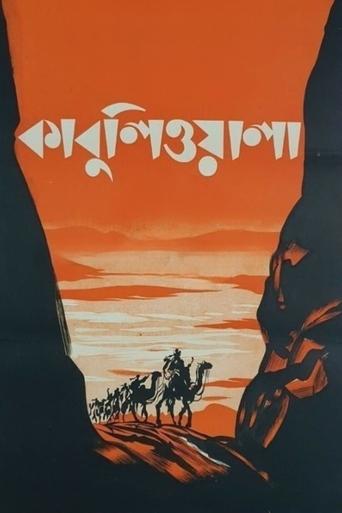
KabuliwalaDirector · ScreenplayMovie 6.0
-
1956
TonsilDirector · ScreenplayMovie
-
1955
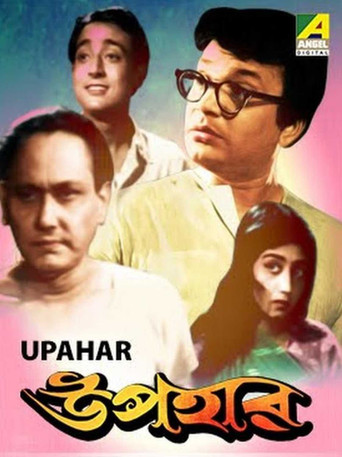
UpaharDirectorMovie 10.0
-
1954
AnkushDirector · ScreenplayMovie