 7.1
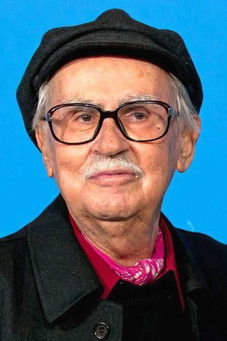
Biography
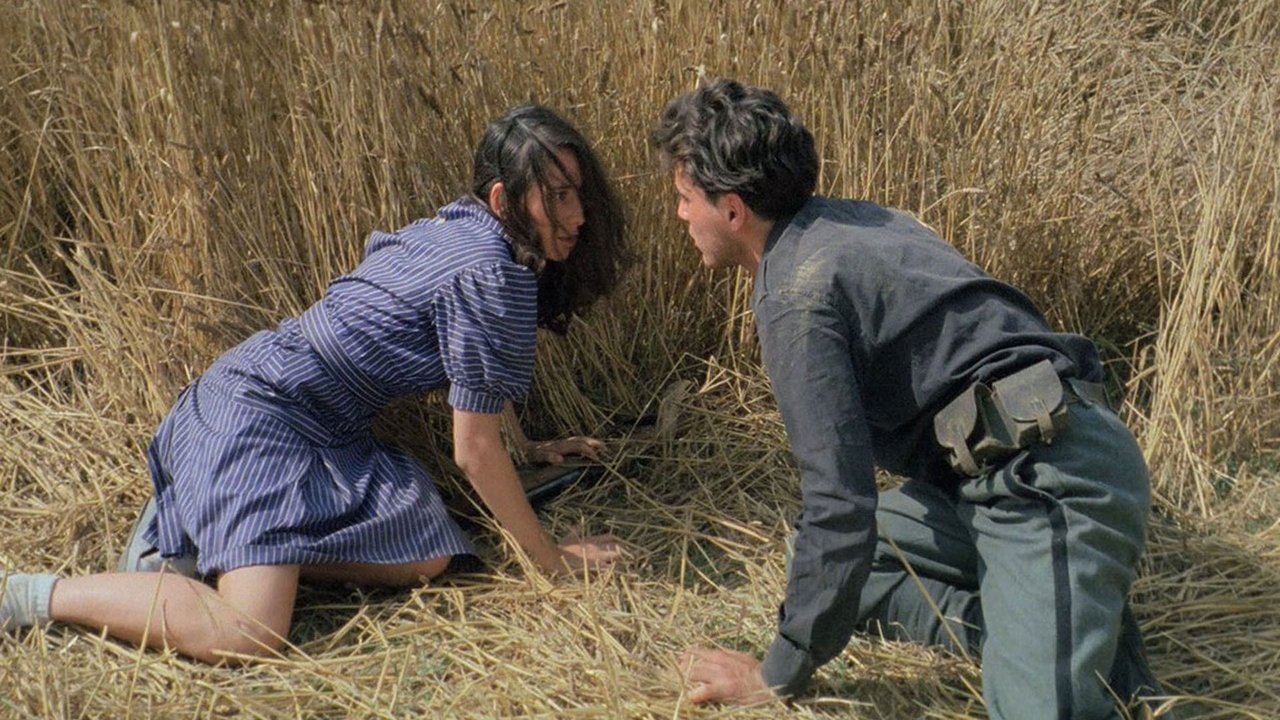
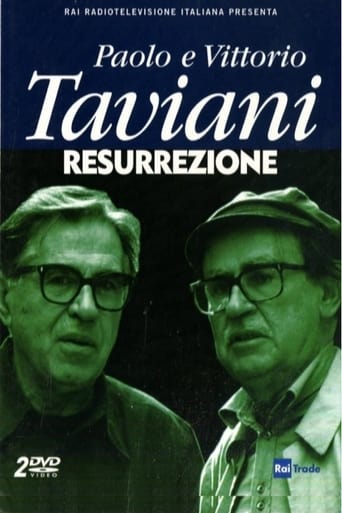
Paolo Taviani (born 8 November 1931) and Vittorio Taviani (20 September 1929 – 15 April 2018), collectively referred to as the Taviani brothers, were Italian film directors and screenwriters who collaborated on film productions.
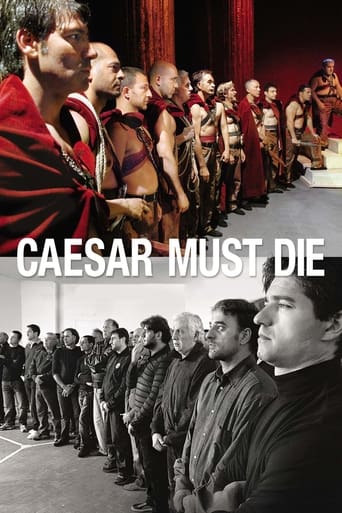
At the Cannes Film Festival, the Taviani brothers won the Palme d'Or and the FIPRESCI prize for Padre Padrone in 1977 and the Grand Prix du Jury for La notte di San Lorenzo (The Night of the Shooting Stars, 1982). In 2012 they won the Golden Bear at the Berlin International Film Festival with Caesar Must Die.
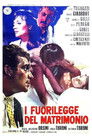
Vittorio Taviani died on 15 April 2018 at the age of 88. Both born in San Miniato, Tuscany, Italy, the Taviani brothers began their careers as journalists. In 1960 they came to the world of cinema, directing with Joris Ivens the documentary L'Italia non è un paese povero (Italy is not a poor country). They went on to direct two films with Valentino Orsini, Un uomo da bruciare (A Man to Burn) (1962) and I fuorilegge del matrimonio (Outlaws of Marriage) (1963).
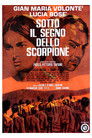
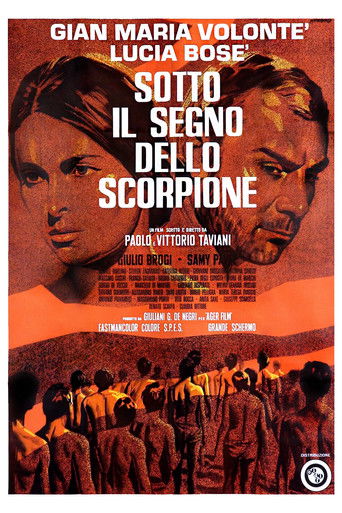
Their first autonomous film was I sovversivi (The Subversives, 1967), with which they anticipated the events of 1968. With actor Gian Maria Volonté they gained attention with Sotto il segno dello scorpione (Under the Sign of Scorpio, (1969) where one can see the echoes of Brecht, Pasolini, and Godard.
In 1971, they co-signed the media campaign against Milan's police commissioner Luigi Calabresi, published in the magazine L'espresso.
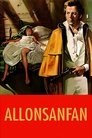
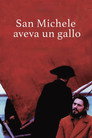
The revolutionary theme is present both in San Michele aveva un gallo (1971), an adaptation of Tolstoy's novel The Divine and the Human, a film greatly appreciated by critics, and in the film Allonsanfan (1974), in which Marcello Mastroianni has a role as an ex-revolutionary who has served a long term in prison and now views his idealistic youth in a much more realistic light, and nevertheless gets entangled in a new attempt in which he no longer believes.
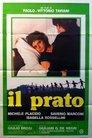
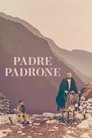
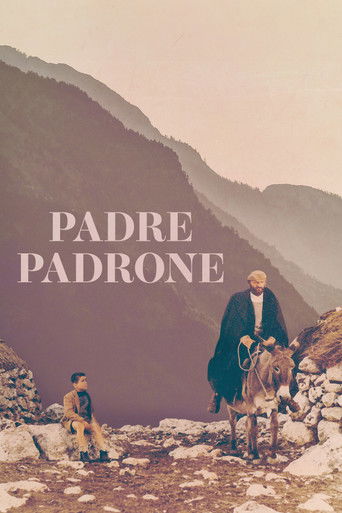
Their next film Padre Padrone (1977) (Palme d'Or at the Cannes Film Festival), taken from a novel by Gavino Ledda, speaks of the struggle of a Sardinian shepherd against the cruel rules of his patriarchal society. In Il prato (1979) there are nonrealistic echoes, while La notte di San Lorenzo (The Night of the Shooting Stars, 1982) narrates, in a fairy-tale tone, a marginal event in the days before the end of World War II, in Tuscany, as seen through the eyes of some village people. The film was awarded the Special Jury Award in Cannes.
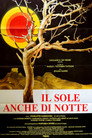
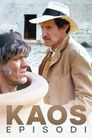
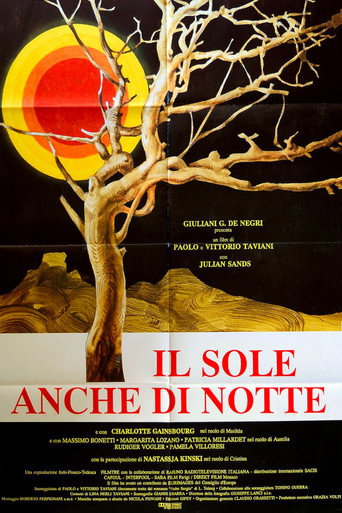
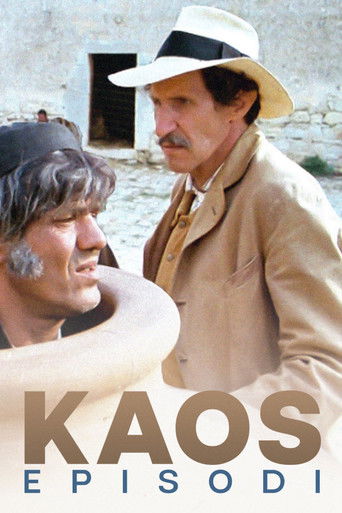
Kaos (1984)—another literary adaptation—is a poignantly beautiful and poetical film in episodes, taken from Luigi Pirandello's Short Stories for a year. In Il sole anche di notte (1990) the Taviani brothers transposed in 18th century Naples the story from Tolstoy's Father Sergius.
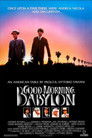
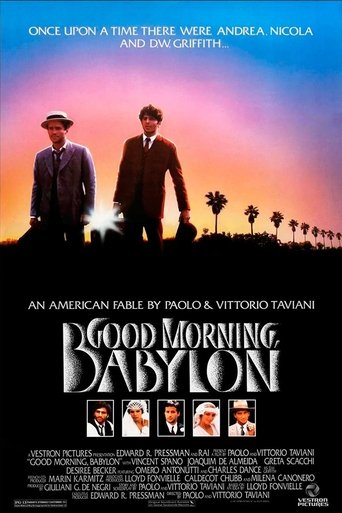
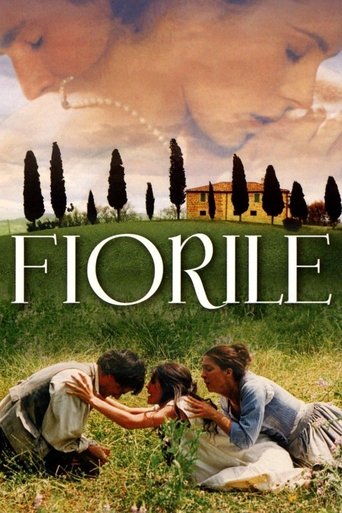
From then onwards, the Tavianis' inspiration proved faltering. Successes like Le affinità elettive, (1996, from Goethe) and an attempt to woo the international audiences like Good morning Babilonia, (1987), on the pioneers of cinema history, alternate with lesser films like Fiorile (1993) and Tu ridi (1996), inspired by the characters and short stories of Pirandello. ...
Source: Article "Paolo and Vittorio Taviani" from Wikipedia in English, licensed under CC-BY-SA 3.0.
Known for



Filmography 48
-
2022
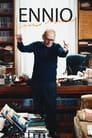
Ennioas SelfMovie 8.3
-
2017
Toninoas SelfMovie
-
2017
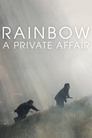
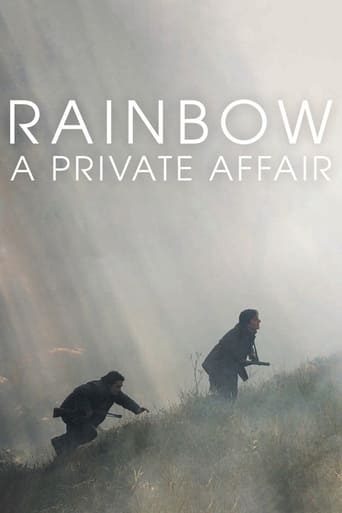
Rainbow: A Private AffairDirector · ScreenplayMovie 6.2
-
2015
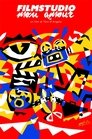
Filmstudio, mon amouras Sé stessoMovie 10.0
-
2015
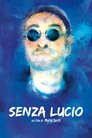
Senza Lucioas SelfMovie 7.5
-
2015
Wondrous BoccaccioWriter · DirectorMovie 5.8
- 2014 Movie
- 2014 Movie
- 2014 Movie
- 2013 Movie
-
2012
Caesar Must DieDirector · WriterMovie 7.3
-
2011
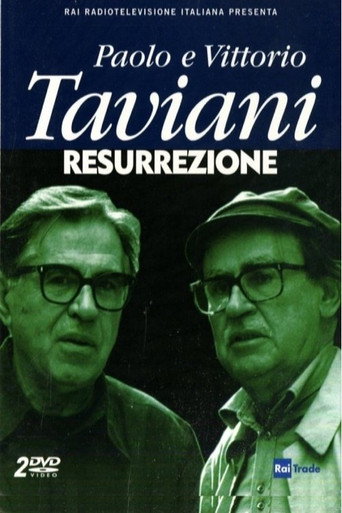
ResurrectionDirector · WriterTV
-
2007
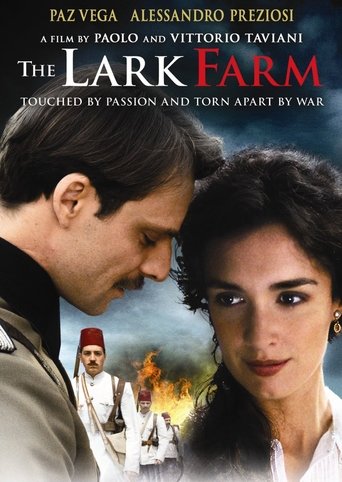
The Lark FarmScreenplay · DirectorMovie 6.2
- 2006 Movie 7.0
-
2006
Marcello, una vita dolceas SelfMovie 5.2
-
2004
Luisa SanfeliceDirectorMovie 6.3
- 2004 Movie
-
2003
Un film et son époqueas SelfTV 10.0
- 2002 Movie
-
2001
ResurrectionDirector · WriterMovie 6.2
-
1998
You LaughDirector · WriterMovie 5.5
- 1997 Movie 7.0
-
1996
Elective AffinitiesDirector · WriterMovie 6.1
-
1994
The True Life of Antonio H.as SelfMovie 8.3
-
1993
FiorileDirector · WriterMovie 5.7
-
1990
Night SunDirector · WriterMovie 5.4
-
1987
Good Morning, BabylonWriter · DirectorMovie 6.1
-
1984
KaosDirector · ScreenplayMovie 7.2
-
1984
SabatoventiquattromarzoDirectorMovie
-
1984
KaosDirectorTV
-
1982
The Night of the Shooting StarsDirector · WriterMovie 7.1
-
1979
The MeadowDirector · WriterMovie 6.8
- 1978 TV 5.6
-
1977
Padre PadroneDirector · WriterMovie 6.8
-
1975
Les Rendez-vous du dimancheas SelfTV 6.0
-
1974
Spécial cinémaas SelfTV 9.5
-
1974
AllonsanfanDirector · Story · ScreenplayMovie 6.9
-
1972
St. Michael Had a RoosterDirector · WriterMovie 6.7
-
1969
Under the Sign of ScorpioDirector · WriterMovie 5.7
-
1969
Filmers buiten het gareelas SelfMovie
-
1967
The SubversivesWriter · DirectorMovie 6.4
-
1963
Outlaws of LoveWriter · DirectorMovie 6.1
-
1962
A Man for BurningDirector · WriterMovie 5.8
-
1960
Italy Is Not a Poor CountryDirectorMovie 9.0
-
1959
Sicilia all'addrittaDirectorMovie
-
1955
Rotelle nello sportDirectorMovie
-
1954
San Miniato, luglio '44DirectorMovie 10.0
-
1953
RivalitàScreenplayMovie 9.0