 7.5
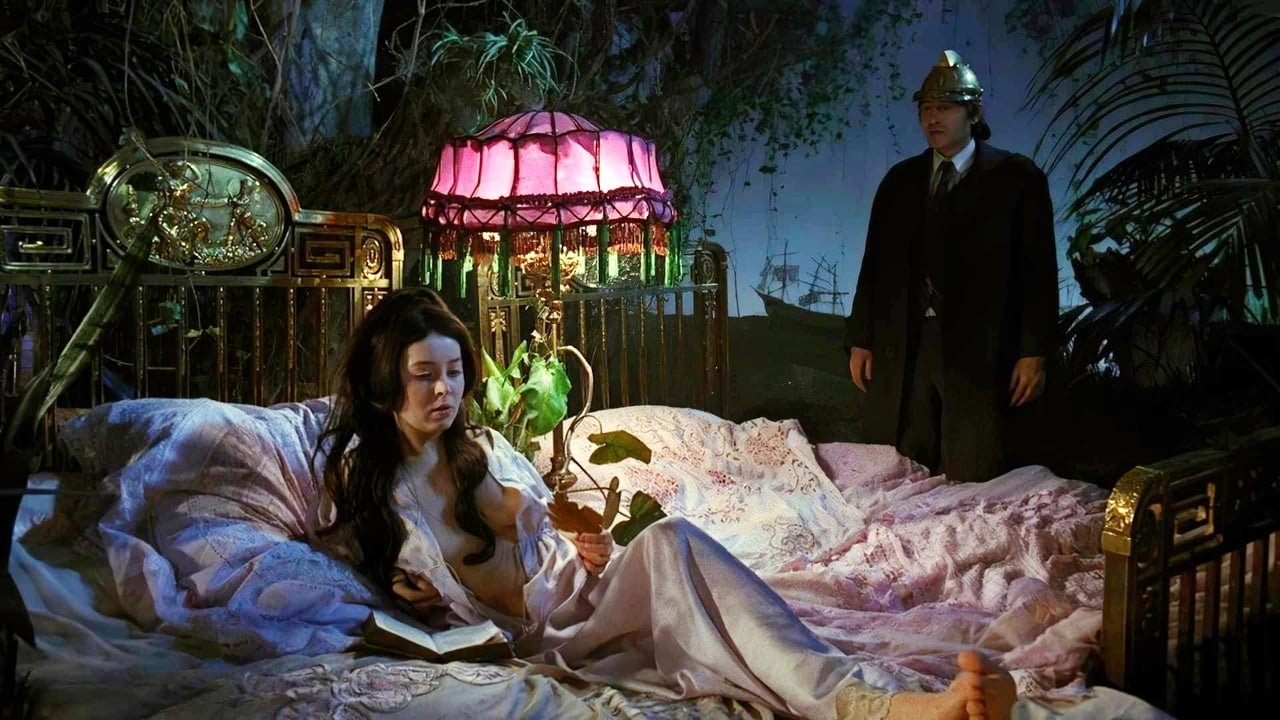
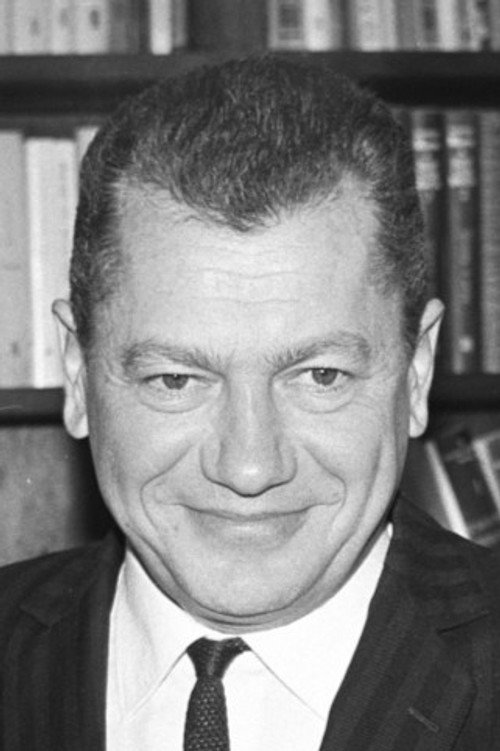
Wojciech Has
- Born
- Apr 1, 1925
- Died
- Oct 3, 2000 (aged 75)
- Birthplace
- Kraków, Poland
- Also known as
- J.W. Has · Войцех Ежи Хас · В. Е. Хас · Войцех Е. Хас
Biography
Wojciech Jerzy Has (April 1, 1925 – October 3, 2000) was a Polish film director, screenwriter and film producer. Wojciech Jerzy Has was born in Kraków, with Jewish origin on his father's side, and Roman Catholic on his mother's. During the wartime German occupation of Poland, Has studied at the Kraków Business and Commerce College and later clandestine underground classes at the Kraków Academy of Fine Arts - until it was disbanded in 1943. When the war ended, he went on to study at the reconstituted Academy of Fine Arts in Kraków. In 1946, Has completed a one-year course in film and began producing educational and documentary films at the Warsaw Documentary Film Studio, and in the 1950s moved on to work at Poland's premier filmmaking academy, the National Film Studio, in Łódź.
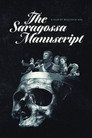
Has made his debut with Harmony (Harmonia, 1948), a medium-length feature, and began making full-length feature films in 1957. In 1974, he was appointed as professor in the directing department at the National Film School in Łódź. Throughout his long and prolific career, he directed such notable films as The Saragossa Manuscript, The Doll and The Hour-Glass Sanatorium (also known as The Sandglass).
Early on in his career, Has gained a reputation as an individualist who avoided political overtones in his art. He produced his most important films throughout the period when the Polish Film School was at its most prominent; however, his work possessed its own stylistic feeling that was independent of the over policial themes that dominated the prevailing Polish School. In practically every film, Has sought to create hermetic environments, in which the problems and storylines of his protagonists were always of secondary importance to the particular world he had created, characterized by an accumulation of random objects that formed unique visual universe.
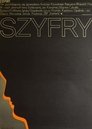
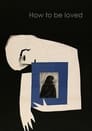
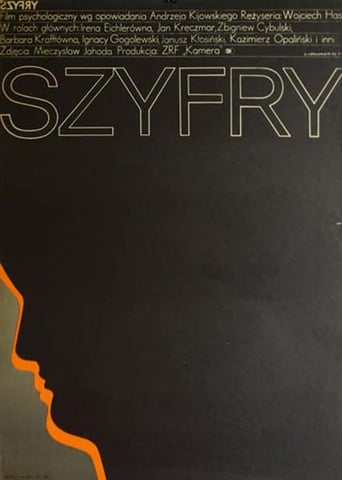
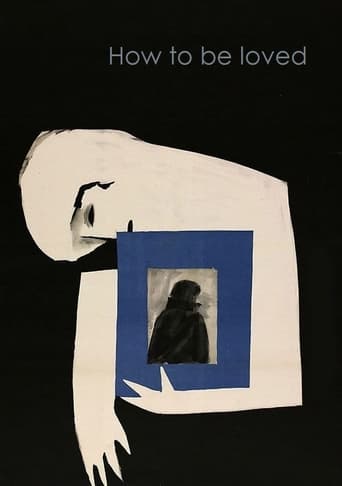
Has's oeuvre is commonly associated with Surrealist painting in Polish criticism. This is reinforced by the director's dream poetic and his use of objects, which are also characteristic of many canvasses by the Surrealists. Has also created a number of intimate psychological dramas during his career, such as How to Be Loved and Farewells, focusing on damaged individuals who have difficulty settling into life. In his work, he was fascinated by outsiders and people incapable of finding their place in reality.
Two currents remain evident in Has's output: one was his cinema of psychological analysis, the other his films of visionary form, in which he most often used the motif of a journey.
From Wikipedia, the free encyclopedia
Known for

Filmography 30
-
2023
Description Found Years Lateras Self (archive footage) (uncredited)Movie
-
2012
Śladyas SelfMovie
- 1998 Movie
-
1997
Polish Schoolas SelfMovie
-
1992
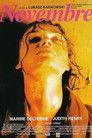
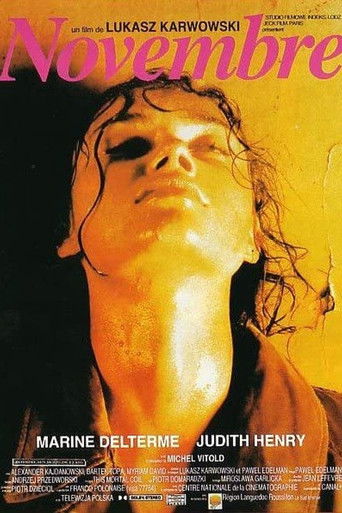
NovemberProducerMovie 5.0
-
1988
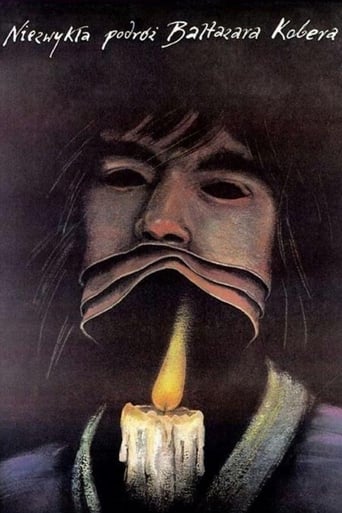
The Tribulations of Balthazar KoberDirector · ScreenplayMovie 6.6
-
1986
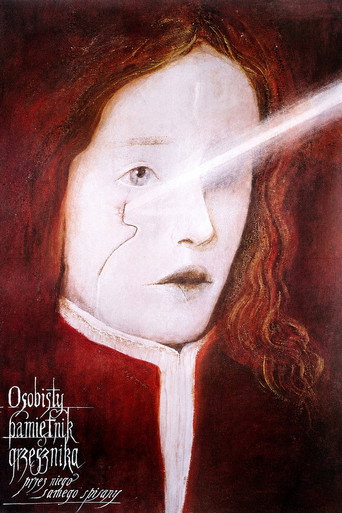
Memoirs of a SinnerDirectorMovie 6.9
-
1985
Write and FightDirectorMovie 6.7
-
1983
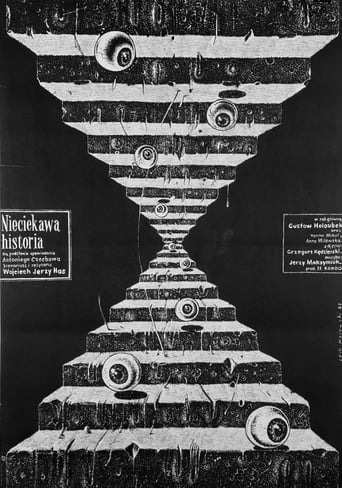
An Uneventful StoryDirector · ScreenplayMovie 6.3
-
1973
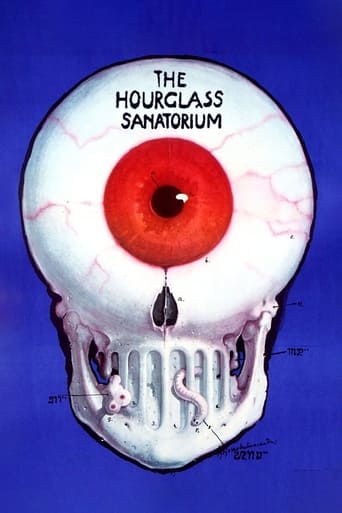
The Hourglass SanatoriumDirector · ScreenplayMovie 7.5
-
1968
The DollDirector · ScreenplayMovie 6.5
-
1966
The CodesDirectorMovie 6.9
-
1966
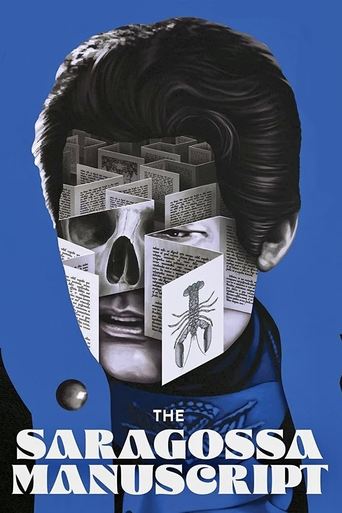
The Saragossa ManuscriptDirectorMovie 7.7
-
1963
How to Be LovedDirectorMovie 7.3
-
1962
Gold Dreamsas Militiaman (uncredited) · DirectorMovie 5.8
-
1961
Goodbye to the PastDirectorMovie 6.7
-
1960
One Room TenantsDirector · ScreenplayMovie 6.1
-
1958
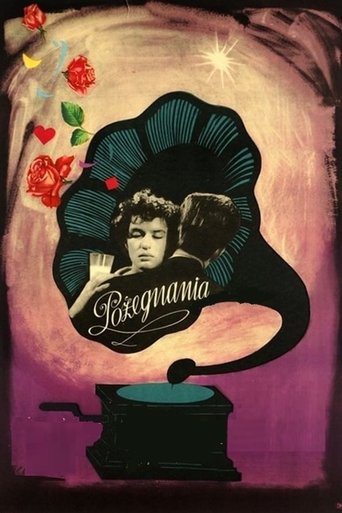
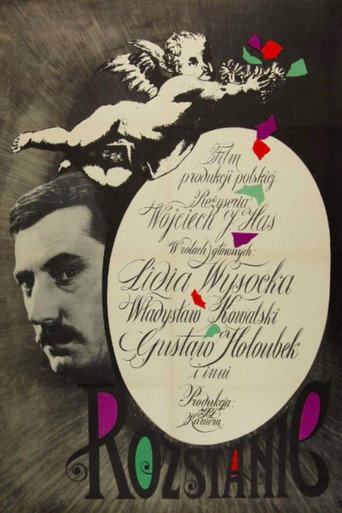
FarewellsDirector · ScreenplayMovie 5.6
-
1958
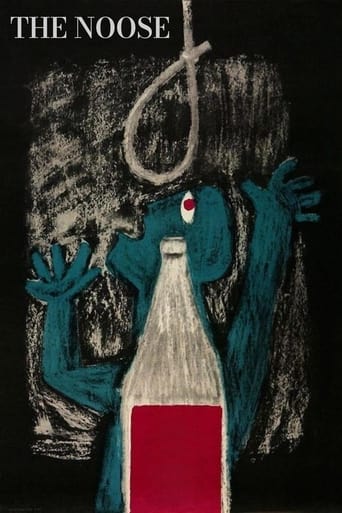
The NooseDirector · StoryMovie 7.1
-
1955
Our TeamDirectorMovie
-
1953
Cultural Review 2/53DirectorMovie
-
1952
Herbalists of the Stony ValleyDirector · ScreenplayMovie
-
1952
Janek’s FeederDirectorMovie 6.5
-
1952
Scouts at a RallyDirectorMovie 5.5
- 1951 Movie 7.0
-
1950
My CityDirectorMovie 6.8
-
1950
The First CropDirector · WriterMovie 8.0
-
1949
Steam Locomotive Pt 47DirectorMovie 6.3
-
1947
Brzozowa StreetWriter · DirectorMovie 5.8
-
1947
AccordionDirector · ScreenplayMovie 6.9