 5.3

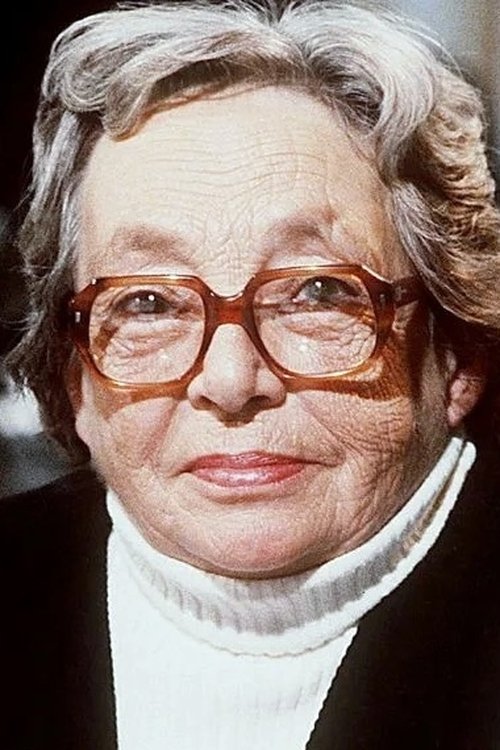
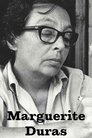
Marguerite Duras
- Born
- Apr 4, 1914
- Died
- Mar 3, 1996 (aged 81)
- Birthplace
- Gia Định, Vietnam
- Also known as
- Marguerite Donnadieu · 마르그리트 뒤라스 · 마르그리트 뒤라 · 마가렛 뒤라스
Biography
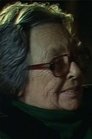
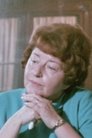
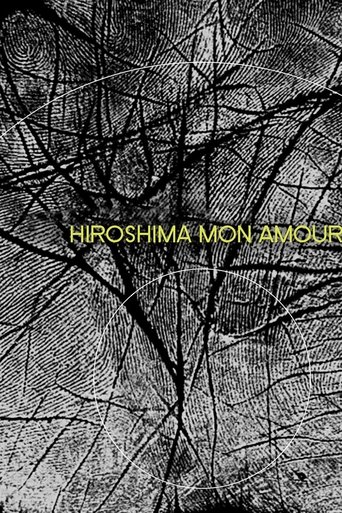
Marguerite Germaine Marie Donnadieu (4 April 1914 – 3 March 1996), known as Marguerite Duras, was a French novelist, playwright, screenwriter, essayist, and experimental filmmaker. Her script for the film Hiroshima mon amour (1959) earned her a nomination for Best Original Screenplay at the Academy Awards.
Duras was born Marguerite Donnadieu on 4 April 1914, in Gia Định, Cochinchina, French Indochina (now Vietnam). Her parents, Marie (née Legrand, 1877–1956) and Henri Donnadieu (1872–1921), were teachers from France who likely had met at Gia Định High School. They both had previous marriages. Marguerite had two brothers: Pierre, the older, and the younger Paul.
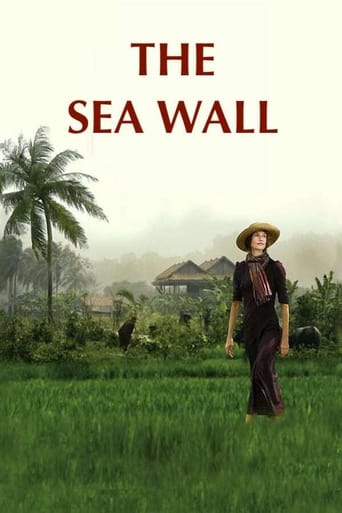
Duras' father fell ill and he returned to France, where he died in 1921, when Duras was seven years old. Between 1922 and 1924, the family lived in France while her mother was on administrative leave. They then moved back to French Indochina when she was posted to Phnom Penh followed by Vĩnh Long and Sa Đéc. The family struggled financially, and her mother made a bad investment in an isolated property and area of rice farmland in Prey Nob, a story which was fictionalized in Un barrage contre le Pacifique (The Sea Wall).
In 1931, when she was 17, Duras and her family moved to France where she successfully passed the first part of the baccalaureate with the choice of Vietnamese as a foreign language, as she spoke it fluently. Duras returned to Saigon in late 1932 where her mother found a teaching post. There, Marguerite continued her education at the Lycée Chasseloup-Laubat and completed the second part of the baccalaureate, specializing in philosophy.
In autumn 1933, Duras moved to Paris, graduating with a degree in public law in 1936. At the same time, she took classes in mathematics. She continued her education, earning a diplôme d'études supérieures (DES) in public law and, later, in political economy. After finishing her studies in 1937, she found employment with the French government at the Ministry of the Colonies. In 1939, she married the writer Robert Antelme, whom she had met during her studies.
During World War II, from 1942 to 1944, Duras worked for the Vichy government in an office that allocated paper quotas to publishers and in the process operated a de facto book-censorship system. She then became an active member of the PCF (the French Communist Party) and a member of the French Resistance as a part of a small group that also included François Mitterrand, who later became President of France and remained a lifelong friend of hers. Duras' husband, Antelme, was deported to Buchenwald in 1944 for his involvement in the Resistance, and barely survived the experience (weighing on his release, according to Duras, just 38 kg, or 84 pounds). She nursed him back to health, but they divorced once he recovered.
In 1943, when publishing her first novel, she began to use the surname Duras, after the town that her father came from, Duras, Lot-et-Garonne.
In 1950, her mother returned to France from Indochina, wealthy from property investments and from the boarding school she had run. ...
Source: Article "Marguerite Duras" from Wikipedia in English, licensed under CC-BY-SA.
Known for




Filmography 79
-
2026
François Mitterrand, une autre vie possibleas Self (archive) - novelistMovie
-
2023
Little Girl Blueas Self (archive footage)Movie 6.1
-
2023
Godard Cinemaas Self (archive footage)Movie 5.6
-
2022
AzuroWriterMovie 4.9
-
2022
La TV des 70's : Quand Giscard était présidentas Self (archive footage)Movie 7.2
-
2021
Mitterrand, président culturelas Self (archive footage)Movie
- 2021 Movie
-
2020
Pornotropicas Self - Writer (archive footage)Movie 7.0
-
2020
Delphine and Caroleas Self (archive footage)Movie 6.4
-
2020
L'affaire Matzneffas Self (archive footage)Movie
-
2018
Jeanne Moreau: Free Spiritas Self - Writer (archive footage)Movie 7.0
-
2015
Les vendredis d'Apostrophesas Self (archive footage)Movie 6.0
-
2014
Duras and Cinemaas self (archive footage)Movie 10.0
-
2005
Hiroshima: The Time of Returnas (voice)Movie
-
2003
Marguerite as She Wasas Self (archive footage)Movie 7.3
-
1994
Écrireas SelfMovie 6.5
-
1994
Marguerite Durasas SelfMovie
- 1993 Movie 6.7
-
1987
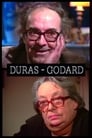
Duras/Godardas SelfMovie
-
1985
The ChildrenDirector · WriterMovie 6.2
- 1985 Movie
-
1984
La Dame des Yvelinesas SelfMovie
-
1984
The Colour of Wordsas SelfMovie 9.0
-
1984
Per un viaggio in ItaliaDirectorTV
-
1984
Savannah Bay c’est toias SelfMovie
-
1984
Work and Wordsas SelfMovie
-
1983
Roman DialogueDirector · WriterMovie 6.0
-
1983
One Minute for One Imageas Self - NarratorMovie 6.1
-
1981
L’homme atlantiqueas Narrator (voice) · Director · WriterMovie 5.6
-
1981
Agatha and the Limitless Readingsas Narrator (voice) · Director · WriterMovie 6.3
-
1981
Duras Shootsas SelfMovie 7.0
-
1981
La bête dans la jungleWriterMovie 7.0
- 1980 Movie
-
1979
Le Navire Nightas (voice) · Director · ScreenplayMovie 6.6
-
1979
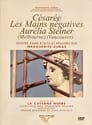
Aurélia Steiner (Vancouver)as Narrator (voice) · Director · WriterMovie 8.5
-
1979
Aurélia Steiner (Melbourne)Director · WriterMovie 8.2
-
1978
Césaréeas Self - Narrator (voice) · Director · WriterMovie 6.2
- 1978 TV 5.6
-
1978
Les Mains négativesas Self - Narrator (voice) · Director · WriterMovie 7.0
-
1977
Baxter, Vera Baxteras Narrator (voice) (uncredited) · Director · WriterMovie 5.6
-
1977
The Lorryas elle · Director · WriterMovie 6.4
-
1977
Entire Days in the TreesDirector · ScreenplayMovie 7.1
-
1976
Cygne Ias Narrator (voice)Movie 7.0
-
1976
Son nom de Venise dans Calcutta désertDirector · WriterMovie 7.1
- 1976 Movie 6.0
-
1976
Gaumont-Palaceas Narrator (voice)Movie 6.0
-
1975
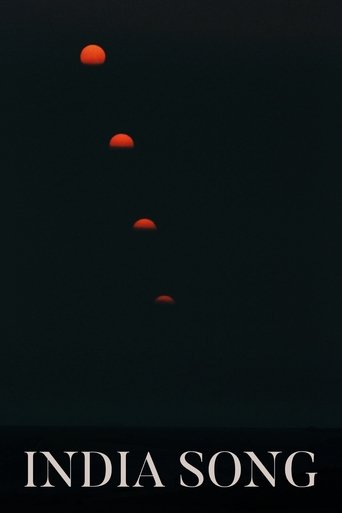
India Songas Voix Intemporelle (voice) · Director · WriterMovie 6.3
-
1975
Apostrophesas SelfTV 8.5
-
1974
Spécial cinémaas SelfTV 9.5
-
1974
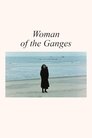
Woman of the Gangesas Voice · Director · WriterMovie 7.1
-
1973
Nathalie Grangeras (voice) · DirectorMovie 6.1
-
1971
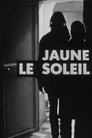
Jaune, Le SoleilWriter · DirectorMovie 5.1
-
1969
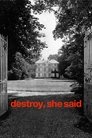
Destroy, She SaidDirector · WriterMovie 6.6
- 1968 Movie 6.0
- 1967 Movie 6.5
-
1967
The SquareStoryMovie 7.0
-
1967
La MusicaWriter · DirectorMovie 5.1
-
1967
Days in the TreesStoryMovie
-
1966
10:30 P.M. SummerScreenplayMovie 5.3
-
1966
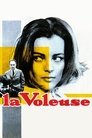
La VoleuseWriterMovie 5.8
-
1966
MademoiselleWriterMovie 7.0
- 1966 Movie
- 1966 Movie 7.0
-
1966
Pop Ageas SelfMovie
-
1965
Les enfants et Noëlas Self - Narrator (voice)Movie
-
1965
The Moment of PeaceScreenplayMovie 10.0
- 1965 Movie 6.8
- 1965 Movie
- 1965 Movie
-
1965
Dim Dam Domas SelfTV 7.3
-
1964
Pour le plaisiras SelfTV
-
1964
The Wednesday PlayWriterTV 5.3
-
1964
Sans merveilleWriterMovie
-
1964
Dark Night, CalcuttaWriterMovie 6.8
-
1961
The SquareWriterMovie
-
1961
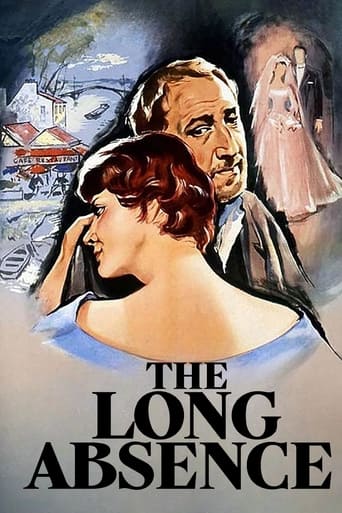
The Long AbsenceWriterMovie 6.7
-
1960
Seven Days… Seven NightsScreenplayMovie 6.2
-
1959
Hiroshima Mon AmourScreenplayMovie 7.7
-
—
The Marguerite Duras Centuryas SelfMovie