 7.0

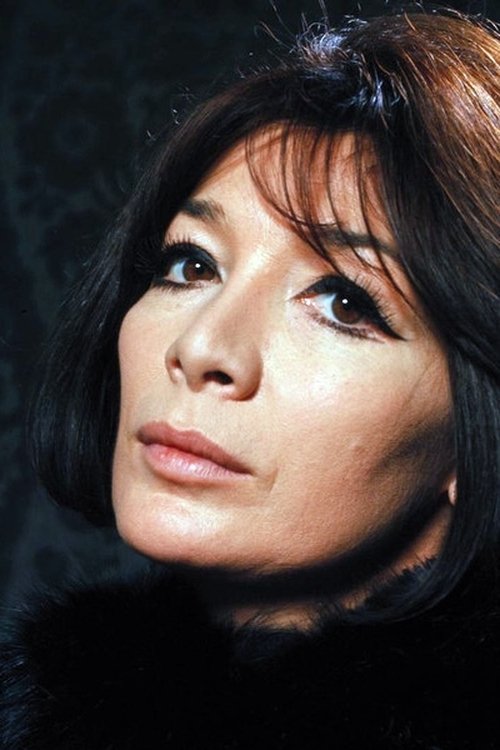
Biography
Juliette Gréco (7 February 1927 – 23 September 2020) was a French singer and actress. Her best known songs are "Paris Canaille" (1962, originally sung by Léo Ferré), "La Javanaise" (1963, written by Serge Gainsbourg for Gréco) and "Déshabillez-moi" (1967). She often sang tracks with lyrics written by French poets such as Jacques Prévert and Boris Vian, as well as singers like Jacques Brel and Charles Aznavour. Her 60-year career concluded with her final worldwide tour titled "Merci", which began in 2015.
As an actress, Gréco played roles in films by French directors such as Jean Cocteau and Jean-Pierre Melville.
Juliette Gréco was born in Montpellier, France, to an absent Corsican father, Gérard Gréco; her mother Juliette Lafeychine (1899–1978) was from Bordeaux. Her lineage hails in part from Greece. She did not receive love from her mother in her childhood and suffered from her harsh comments due to being an unwanted child, such as "You ain't my daughter. You're the child of rape". She was raised by her maternal grandparents in Bordeaux with her older sister Charlotte. After the death of her grandparents, her mother took them to Paris. In 1938, she became a ballerina at the Opéra Garnier.
When World War II began, the family returned to the southwest of France. Gréco was a student at the Institut Royal d'éducation Sainte Jeanne d'Arc in Montauban. The Gréco family became active in the Resistance and her mother was arrested in 1943. The two sisters decided to move back to Paris but were captured and tortured by the Gestapo, then imprisoned in Fresnes Prison in September 1943. Her mother and sister were deported to Ravensbrück while Juliette, being only 16, remained in prison for several months before being released. After her release, she walked the eight miles back to Paris to retrieve her belongings from the Gestapo headquarters. Her former French teacher and her mother's friend, Hélène Duc, decided to take care of her.
In 1945, Gréco's mother and sister returned from deportation after the liberation of Ravensbrück by the Red Army. Gréco moved to Saint-Germain-des-Prés in 1945 after her mother moved to Indochina, leaving Gréco and her sister behind.
Gréco became a devotee of the bohemian fashion of some intellectuals of post-war France. Duc sent her to attend acting classes given by Solange Sicard. She made her debut in the play Victor ou les Enfants au pouvoir in November 1946 and began to host a radio show dedicated to poetry.
Her friend Jean-Paul Sartre installed her at the Hotel La Louisiane and commented that Greco had "millions of poems in her voice". She was known to many of the writers and artists working in Saint-Germain-des-Prés, such as Albert Camus, Jacques Prévert and Boris Vian, thus gaining the nickname la Muse de l'existentialisme.
Gréco spent the post-Liberation years frequenting the Saint-Germain-des-Prés cafes, immersing herself in political and philosophical bohemian culture. As a regular at music and poetry venues like Le Tabou on Rue Dauphine, she was acquainted with Jean Cocteau, and was given a role in Cocteau's film Orphée (1950). ...
Source: Article "Juliette Gréco" from Wikipedia in English, licensed under CC-BY-SA.
Known for
7.0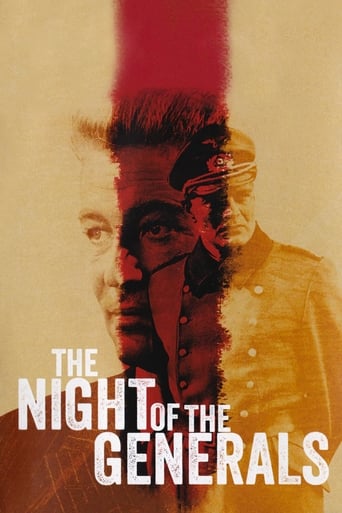 6.8
The Night of the Generals
 6.7
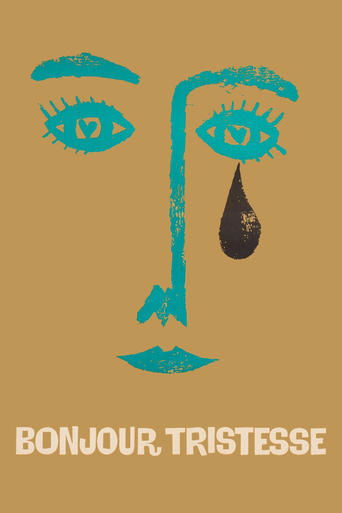
Bonjour Tristesse
 4.6
Belphegor, Phantom of the Louvre
 7.7
Orpheus
 5.8
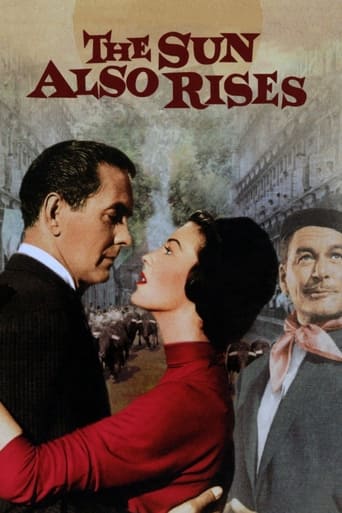
The Sun Also Rises
 7.1
Love at Sea
 6.4
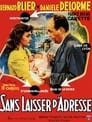
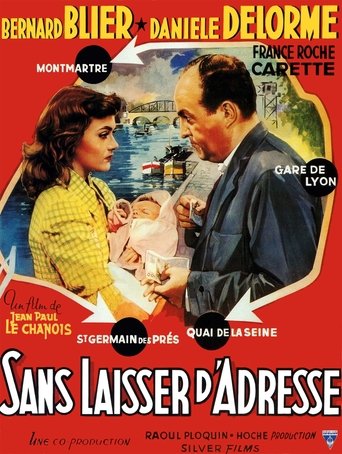
Without Leaving an Address
 6.0
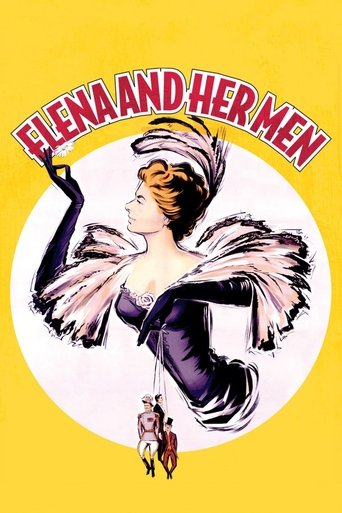
Elena and Her Men
 6.1
The Roots of Heaven
 5.9
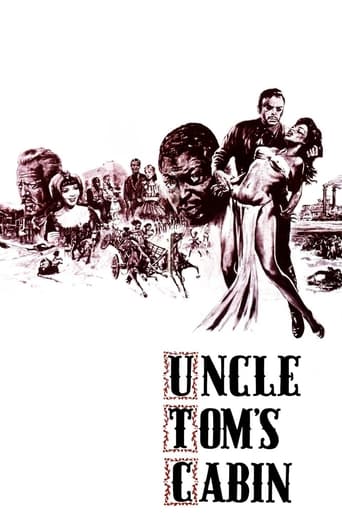
Uncle Tom's Cabin
 5.9
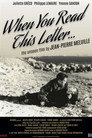
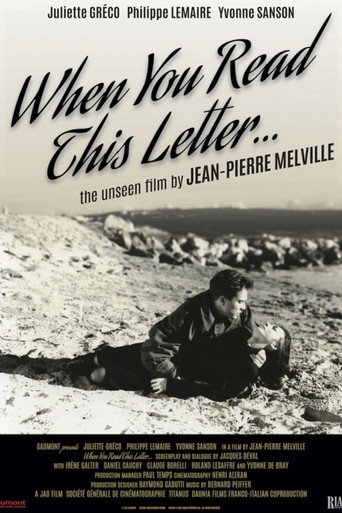
When You Read This Letter
 5.7
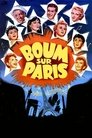
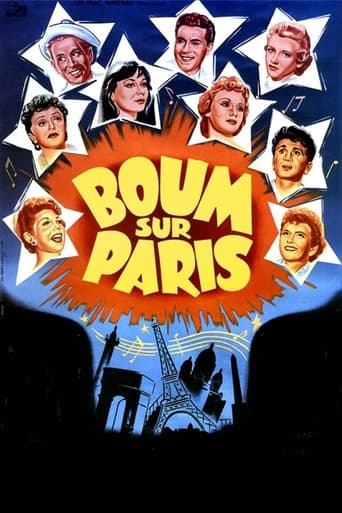
Boom on Paris
 5.9
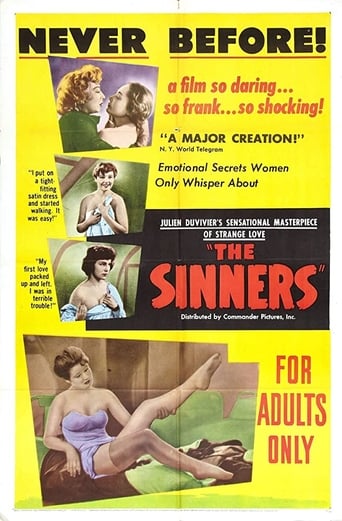
The Sinners
 7.0
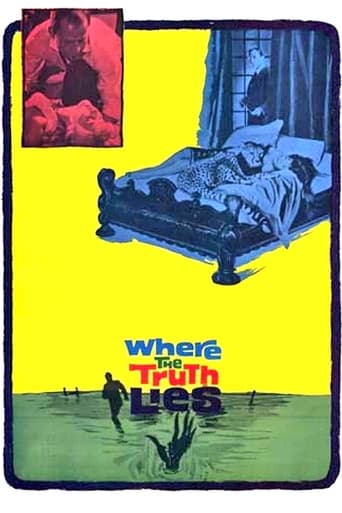
Where the Truth Lies
 7.0
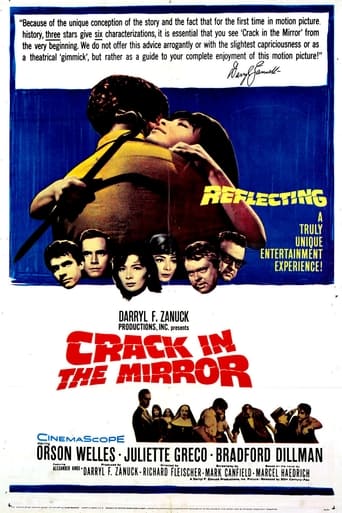
Crack in the Mirror
Filmography 74
-
2022
La TV des 70's : Quand Giscard était présidentas Self (archive footage)Movie 7.2
-
2021
François Mitterrand & Anne Pingeot: Pieces of a Love Storyas Self (archive footage)Movie 6.0
- 2020 Movie 5.5
-
2019
Miles Davis: Birth of the Coolas Self - SingerMovie 7.1
-
2018
On l'appelait Rodaas SelfMovie 5.2
-
2017
The Incredible Mr. Piccolias Self - Actress (archive footage)Movie 6.5
-
2016
Vadim Mister Coolas Self (archive footage)Movie 5.9
-
2015
Hôtel La Louisianeas SelfMovie
- 2013 Movie
-
2012
Juliette Gréco, l'insoumiseas SelfMovie
-
2010
Gainsbourg and His Girlsas Self - Singer (voice)Movie 4.1
- 2006 Movie
-
2004
Days and Nights in Parisas SelfMovie
-
2002
Everyman's Feastas Yvonne BeckerMovie 4.0
-
2001
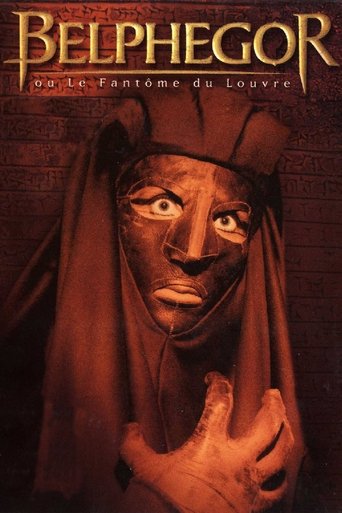
Belphegor, Phantom of the Louvreas Woman in the cemetaryMovie 4.6
- 1999 Movie
-
1998
Vivement dimancheas SelfTV 3.6
-
1996
Das große Losas SelfTV
-
1990
Stars 90as SelfTV 6.2
-
1987
Le monde est à vousas SelfTV
-
1987
Sacrée soiréeas SelfTV 5.7
-
1985
Victoires de la musiqueas SelfTV 3.3
-
1984
La Chance aux chansonsas SelfTV 6.5
-
1982
Champs-Elyséesas SelfTV 6.8
-
1981
Droit de Réponseas SelfMovie 8.3
-
1978
Bio’s Bahnhofas SelfTV 9.0
-
1975
Lily, aime-moias FloMovie 5.7
-
1975
Numéro unas SelfTV 7.5
-
1975
Apostrophesas SelfTV 8.5
-
1975
Musik ist Trumpfas SelfTV 6.0
- 1973 Movie 8.0
-
1972
Midi trenteas SelfTV 6.0
-
1972
Le Grand Échiquieras SelfTV 8.0
-
1971
V.I.P. Schaukelas SelfTV 8.0
-
1969
France, Songas HerselfMovie
-
1968
À bout portantas SelfTV 8.0
-
1968
Night-Clubas SelfTV
-
1968
Paris nach Notenas SelfMovie
-
1967
The Night of the Generalsas JulietteMovie 6.8
-
1965
Love at Seaas The actress of the filmMovie 7.1
-
1965
Uncle Tom's Cabinas DinahMovie 5.9
-
1965
Belphegor, or The Phantom of the Louvreas Laurence BorelTV 7.0
-
1964
Cherchez l'idoleas Self, guest at Sylvie Vartan's show (uncredited)Movie 6.4
-
1964
Einer wird gewinnenas SelfTV 7.0
-
1963
38-24-36as SelfMovie 8.0
-
1963
Tonight in Personas SelfTV 7.0
-
1962
Lieben Sie Show ?as SelfTV
-
1962
Where the Truth Liesas Myriam HellerMovie 7.0
-
1961
The Big Gambleas MarieMovie 6.0
-
1960
Crack in the Mirroras Eponine / FlorenceMovie 7.0
-
1959
Stars in der Manegeas SelfTV 5.3
-
1959
Whirlpoolas LoraMovie 6.3
-
1959
Discoramaas SelfTV 8.0
-
1958
The Roots of Heavenas MinnaMovie 6.1
-
1958
The Naked Earthas MariaMovie 10.0
-
1958
Bonjour Tristesseas Juliette GrecoMovie 6.7
-
1957
It Happened on the 36 Candlesas Self (uncredited)Movie 5.5
-
1957
The Sun Also Risesas Georgette AubinMovie 5.8
-
1956
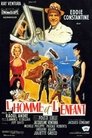
Man and Childas Nicky NistakosMovie 5.5
-
1956
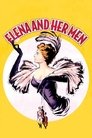
Elena and Her Menas Miarka, la gitaneMovie 6.0
-
1956
The Lebanese Missionas MaroussiaMovie 4.7
-
1956
Cinépanoramaas SelfTV 8.7
-
1955
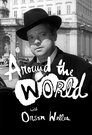
Around the World with Orson Wellesas Self (archive footage)TV 7.1
-
1955
Was bin ich?as SelfTV 7.3
- 1954 Movie 7.0
-
1954
Boom on Parisas elle-mêmeMovie 5.7
-
1953
When You Read This Letteras Thérèse VoiseMovie 5.9
-
1952
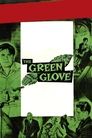
The Green Gloveas Singer (scenes deleted)Movie 6.4
-
1951
Without Leaving an Addressas La chanteuseMovie 6.4
-
1950
Disorderas SelfMovie 6.0
-
1950
Orpheusas AglaoniceMovie 7.7
-
1949
The Sinnersas RachelMovie 5.9
-
1948
The Ed Sullivan Showas SelfTV 6.7
- 1948 Movie 7.0