 7.5
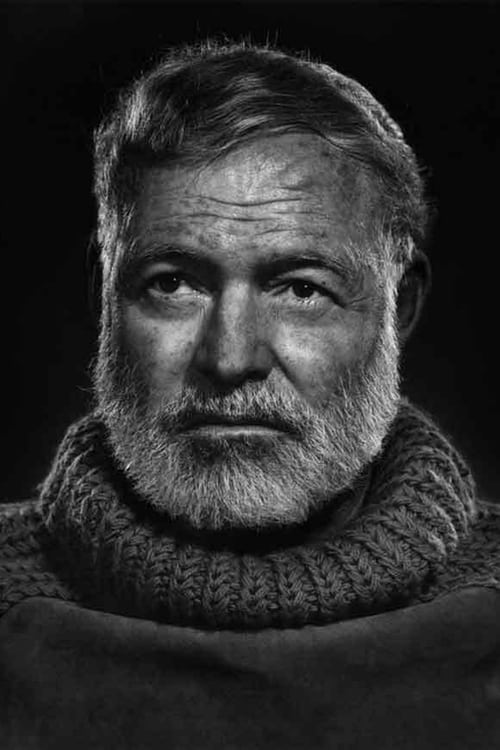
Ernest Hemingway
- Born
- Jul 21, 1899
- Died
- Jul 2, 1961 (aged 61)
- Birthplace
- Oak Park, Illinois, USA
- Also known as
- Ernest Miller Hemingway
Biography
Description above from the Wikipedia Ernest Hemingway (journalist), licensed under CC-BY-SA, full list of contributors on Wikipedia.
Ernest Miller Hemingway (July 21, 1899 – July 2, 1961) was an American journalist, novelist, short-story writer, and sportsman. His economical and understated style—which he termed the iceberg theory—had a strong influence on 20th-century fiction, while his adventurous lifestyle and his public image brought him admiration from later generations. Hemingway produced most of his work between the mid-1920s and the mid-1950s, and he won the Nobel Prize in Literature in 1954. He published seven novels, six short-story collections, and two nonfiction works. Three of his novels, four short-story collections, and three nonfiction works were published posthumously. Many of his works are considered classics of American literature.
Hemingway was raised in Oak Park, Illinois. After high school, he was a reporter for a few months for The Kansas City Star before leaving for the Italian Front to enlist as an ambulance driver in World War I. In 1918, he was seriously wounded and returned home. His wartime experiences formed the basis for his novel A Farewell to Arms (1929).
In 1921, Hemingway married Hadley Richardson, the first of four wives. They moved to Paris where he worked as a foreign correspondent and fell under the influence of the modernist writers and artists of the 1920s' "Lost Generation" expatriate community. His debut novel The Sun Also Rises was published in 1926. He divorced Richardson in 1927 and married Pauline Pfeiffer; they divorced after he returned from the Spanish Civil War, where he had been a journalist. He based For Whom the Bell Tolls (1940) on his experience there. Martha Gellhorn became his third wife in 1940; they separated after he met Mary Welsh in London during World War II. He was present with the troops as a journalist at the Normandy landings and the liberation of Paris.
Hemingway maintained permanent residences in Key West, Florida (in the 1930s), and Cuba (in the 1940s and 1950s). He almost died in 1954 after plane crashes on successive days; injuries left him in pain and ill health for much of the rest of his life. In 1959, he bought a house in Ketchum, Idaho, where, in mid-1961, he ended his own life.
Known for
7.5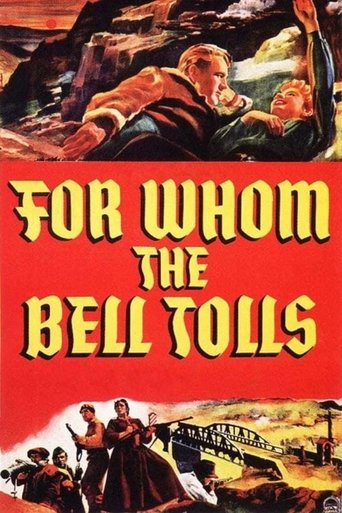 6.5
For Whom the Bell Tolls
 6.0
A Farewell to Arms
 6.1
A Farewell to Arms
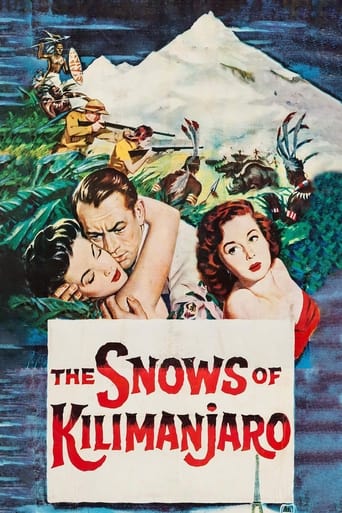 5.9
The Snows of Kilimanjaro
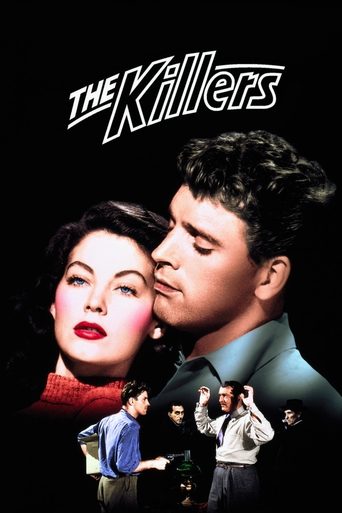 7.4
The Killers
 6.5
The Old Man and the Sea
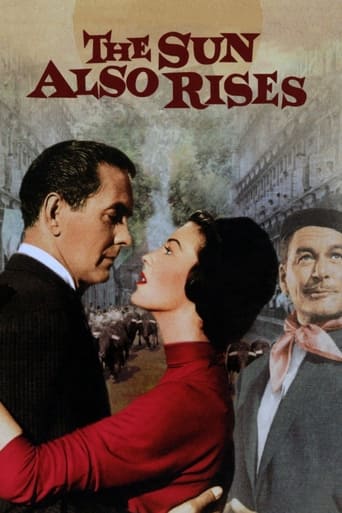 5.8
The Sun Also Rises
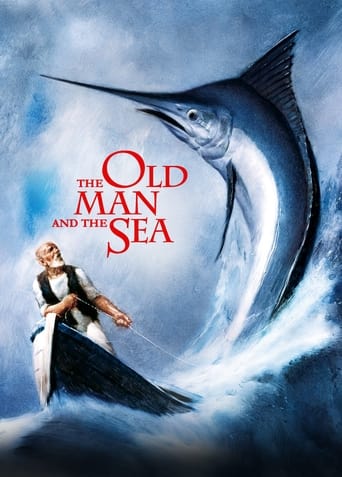 7.6
The Old Man and the Sea
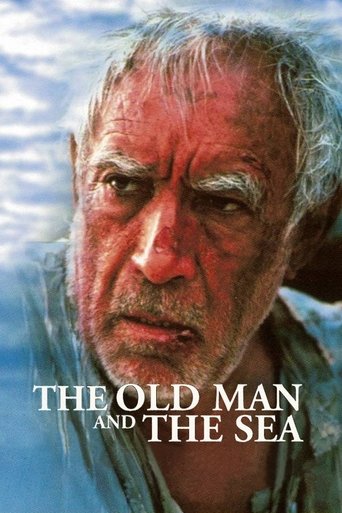 6.4
The Old Man and the Sea
 7.7
The Sun Also Rises
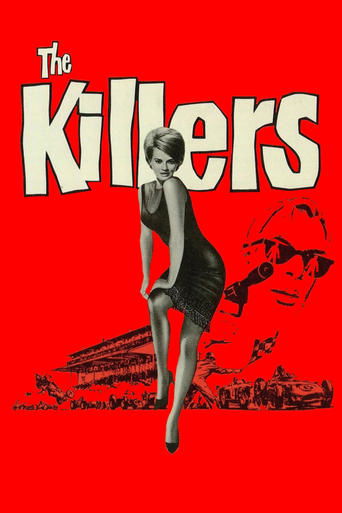 6.9
The Killers
 5.9
The Killers
 6.9
Across the River and into the Trees
 6.8
The Macomber Affair
 6.5
Islands in the Stream
Filmography 19
-
2025
Orwell: 2+2=5as Self (archive footage)Movie 7.2
-
2021
Ernest Hemingway: 4 Weddings and a Funeralas Self - Writer (archive footage)Movie 7.0
-
2021
Hemingwayas Himself (archive footage)TV 7.6
-
2017
Ava Gardner: Life Is Bigger Than the Moviesas Self (archive footage)Movie 5.6
-
2013
Salingeras Self - Writer (archive footage)Movie 6.4
- 2012 Movie 10.0
-
1997
Ernest Hemingway: Wrestling with Lifeas Archival FootageMovie 5.0
- 1997 Movie
- 1991 Movie 10.0
-
1989
Gary Cooper: American Life, American Legendas Self (archive footage)Movie 9.0
- 1962 Movie 5.6
- 1962 Movie 10.0
- 1960 Movie
-
1960
The Fifth ColumnWriterMovie 8.2
- 1959 Movie
-
1955
The BattlerWriterMovie 6.0
- 1942 Movie 10.0
-
1937
The Spanish Earthas Narrator (voice) · WriterMovie 6.7
-
1937
Spain in FlamesWriterMovie