 9.5


Biography
Jean Aurenche (1903–1992) was a French screenwriter. During his career, he wrote 80 films for directors such as René Clément, Bertrand Tavernier, Marcel Carné, Jean Delannoy and Claude Autant-Lara. He is often associated with the screenwriter Pierre Bost, with whom he had a fertile partnership from 1940 to 1975.
In the 1920s and 1930s, Jean Aurenche was friends with some members of the surrealist groups. His sister Marie-Berthe was the wife of Max Ernst and Max Ernst soon became friend with Jean Aurenche. Later, he even appeared in some film commercials directed by Jean Aurenche (for the "Nicolas" Wine, the "Barbes" stores and so on...). Jean Aurenche was also a close friend of Jean Cocteau who helped him publish several of his short stories in the famous "NRF".
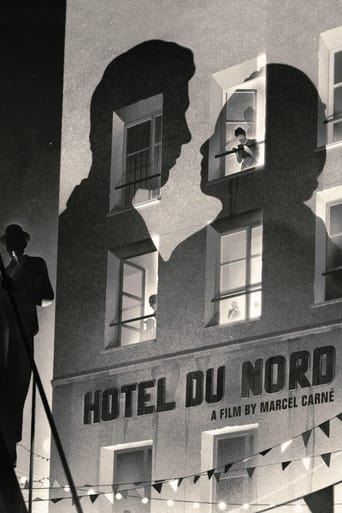
In 1933, Jean Aurenche co-directed two short documentaries with Pierre Charbonnier: Pirates du Rhône and Bracos de Sologne. He later co-wrote the short film Monsieur Cordon with director Pierre Prévert. He soon turned to screenwriting, writing or co-writing several films like L'affaire du Courrier de Lyon (1936) by Maurice Lehmann and Claude Autant-Lara, L'affaire Lafarge or, more famously, Hôtel du Nord that he co-wrote with Marcel Carné and Henri Jeanson.
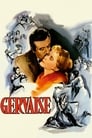
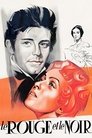
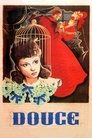
In 1942, starting with Douce (directed by Autant-Lara), Aurenche formed a longstanding partnership with Pierre Bost. Their method of writing together initially worked as such: Jean Aurenche wrote the treatment of the screenplay (sometimes based on a novel) and Pierre Bost then expanded this outline and wrote the dialogue. But soon, both of them wrote all the script together without any clear division of the writing. Together, Aurenche & Bost wrote several great successes of this time period, often associated with director Claude Autant-Lara : le Diable au corps (1945), l'Auberge rouge (1951), le Rouge et le Noir (1954), la Traversée de Paris (1956). Meanwhile, Aurenche & Bost started a fertile collaboration with Jean Delannoy, writing for him La Symphonie Pastorale (1947) which won the Palme d'Or at the Cannes Festival of 1947. During this time, they also worked with René Clément (Au-delà des grilles, Jeux interdits and Gervaise). The film Jeux Interdits won the Academy Award on the Best Foreign Film in 1952 and soon became a classic. All these critic and commercial triumph contributed to make of Aurenche one of the most revered screenwriters of his time. ...
Source: Article "Jean Aurenche" from Wikipedia in English, licensed under CC-BY-SA 3.0.
Known for
9.5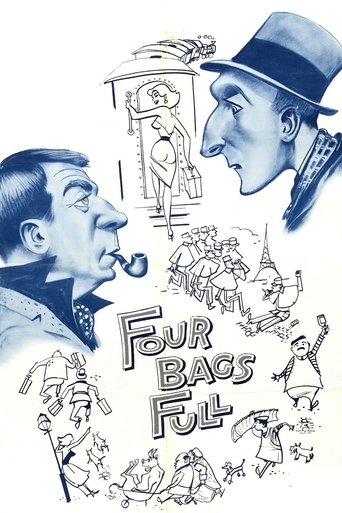 7.3
La Traversée de Paris
 6.7
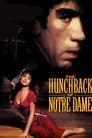
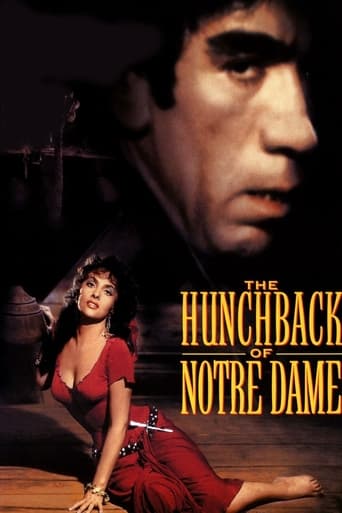
The Hunchback of Notre Dame
 7.8
Forbidden Games
 6.1
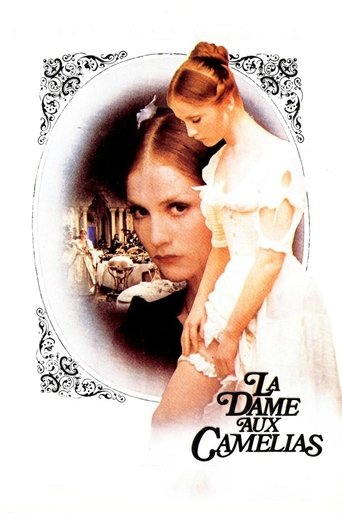
Lady of the Camelias
 5.1
The Oldest Profession
 6.3
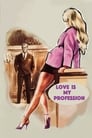
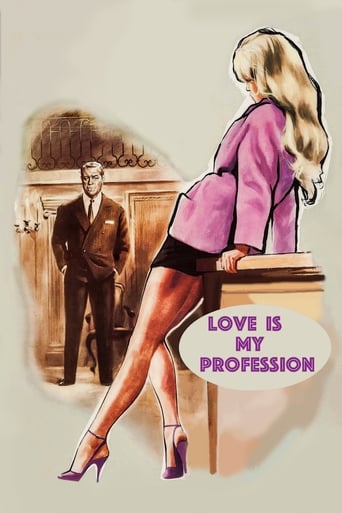
Love Is My Profession
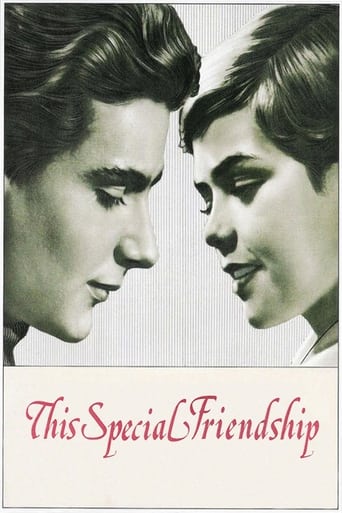 7.8
This Special Friendship
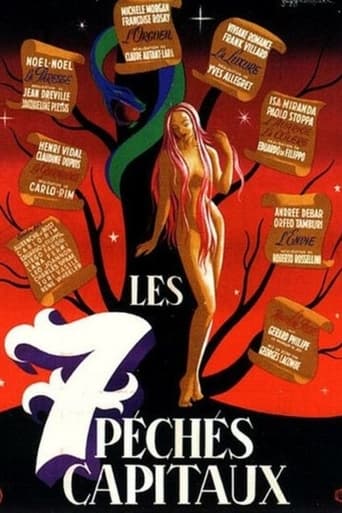 6.0
The Seven Deadly Sins
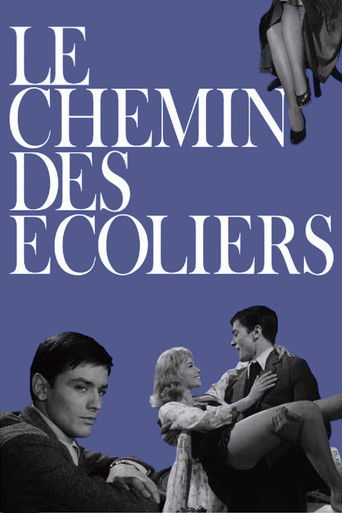 6.2
Way of Youth
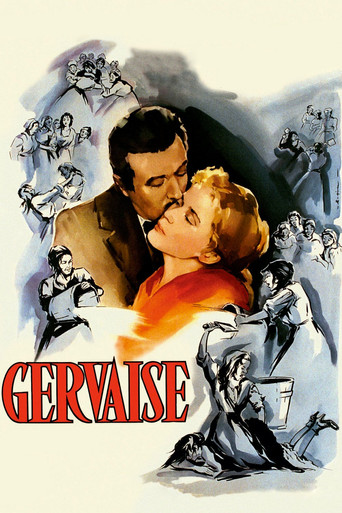 6.8
Gervaise
 7.1
Hôtel du Nord
 6.9
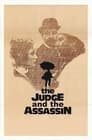
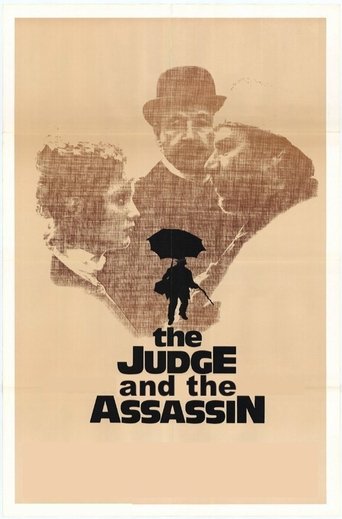
The Judge and the Assassin
 6.2
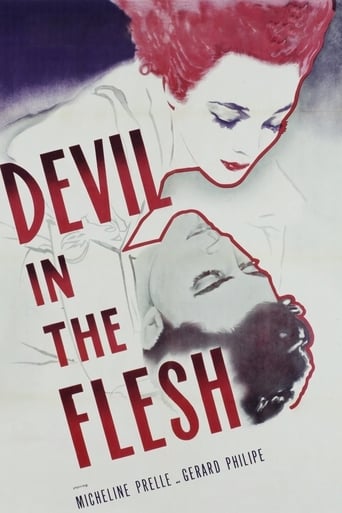
Devil in the Flesh
 6.5
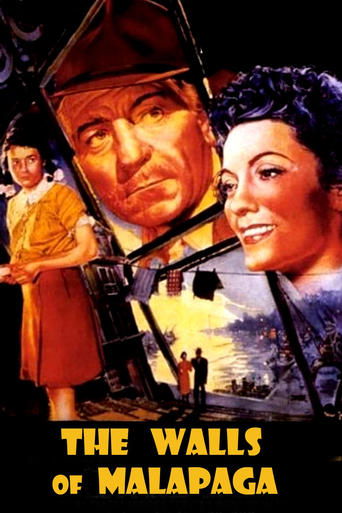
The Walls of Malapaga
 7.0
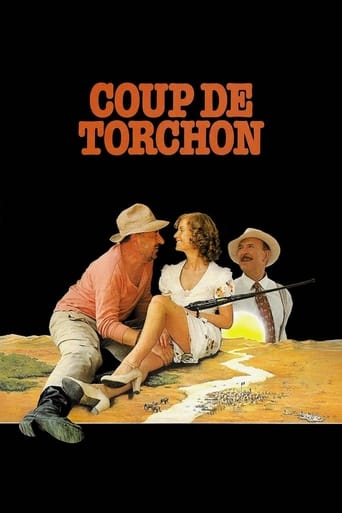
Coup de Torchon
Filmography 64
-
2010
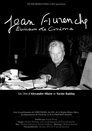
Jean Aurenche, écrivain de cinémaas Self (archive footage)Movie
-
2007
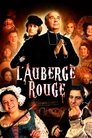
The Red InnStoryMovie 5.5
- 1990 Movie 6.8
-
1987
Engagements of the HeartWriterMovie 5.7
-
1984
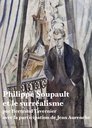
Philippe Soupault et le surréalismeas Lui-mêmeMovie 10.0
-
1982
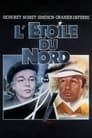
The North StarWriterMovie 6.3
-
1981
Coup de TorchonWriterMovie 7.0
-
1981
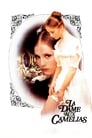
Lady of the CameliasWriterMovie 6.1
- 1976 Movie 6.9
-
1975
Let Joy Reign SupremeScreenplayMovie 6.4
- 1974 Movie 6.9
-
1969
PotatoesWriterMovie 6.2
-
1968
Franciscan of BourgesWriterMovie 6.4
-
1967
The Oldest ProfessionWriterMovie 5.1
-
1965
Black HumorWriterMovie 6.0
-
1964
This Special FriendshipWriterMovie 7.8
-
1963
Enough RopeScreenplayMovie 6.0
-
1962
Imperial VenusWriterMovie 4.1
-
1961
RendezvousWriterMovie 6.6
-
1961
Thou Shalt Not KillWriterMovie 7.9
- 1961 Movie 5.6
-
1960
It Happened All NightScreenplayMovie 5.3
-
1959
The Green MareWriterMovie 5.6
-
1959
Way of YouthWriterMovie 6.2
-
1958
A Woman Like SatanWriterMovie 5.5
-
1958
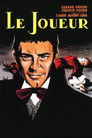
The GamblerWriterMovie 6.7
-
1958
Love Is My ProfessionScreenplayMovie 6.3
-
1956
The Hunchback of Notre DameScreenplayMovie 6.7
-
1956
La Traversée de ParisWriterMovie 7.3
-
1956
GervaiseWriterMovie 6.8
-
1954
Le Rouge et le NoirWriterMovie 6.3
-
1954
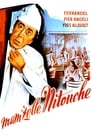
Mademoiselle NitoucheWriterMovie 5.8
-
1954
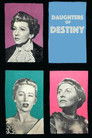
Daughters of DestinyWriterMovie 4.6
-
1952
The Seven Deadly SinsScreenplayMovie 6.0
-
1951
GigoloWriterMovie 5.7
-
1951
The Red InnScreenplay · StoryMovie 6.8
-
1950
God Needs MenScreenplayMovie 6.5
-
1949
Keep an Eye on AmeliaScreenplayMovie 6.5
-
1949
The Walls of MalapagaScreenplayMovie 6.5
-
1947
The Lovers of the Pont Saint-JeanScreenplayMovie 6.9
-
1947
The Seventh DoorWriterMovie 8.5
-
1947
Devil in the FleshWriterMovie 6.2
-
1946
Sylvia and the GhostScreenplayMovie 6.9
-
1944
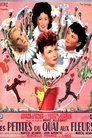
The Little Ones of the Flower PlatformScreenplayMovie 6.6
- 1944 Movie 7.3
-
1943
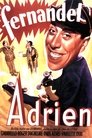
AdrienWriterMovie 6.8
-
1943
DouceScreenplayMovie 7.2
-
1943
The ScarecrowWriterMovie 6.5
-
1942
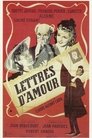
Love LettersWriterMovie 6.4
-
1942
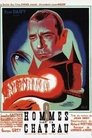
Eight Men in a CastleScreenplayMovie 8.0
-
1942
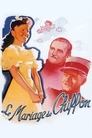
The Marriage of ChiffonScreenplayMovie 6.3
-
1942
The Note SellerWriterMovie 6.2
-
1941
Madame Sans-GêneScreenplayMovie 4.0
-
1940
The EmigrantStoryMovie 7.0
-
1939
La Tradition de minuitScreenplayMovie 5.7
-
1938
Hôtel du NordScreenplayMovie 7.1
-
1938
The StreamScreenplayMovie 6.8
-
1938
The Lafarge CaseScreenplay · StoryMovie 6.5
-
1937
Confessions of a NewlywedScreenplayMovie 5.5
-
1933
Les Pirates du RhôneDirectorMovie
-
1933
Le ColiséeScreenplay · Writer · DirectorMovie 7.0
-
1932
Levitan: That NightDirector · Screenplay · WriterMovie 7.0
-
1931
The Séance Is OverDirector · WriterMovie 5.7
-
1930
L'Âge d'oras Bandit (uncredited)Movie 6.8