 7.4
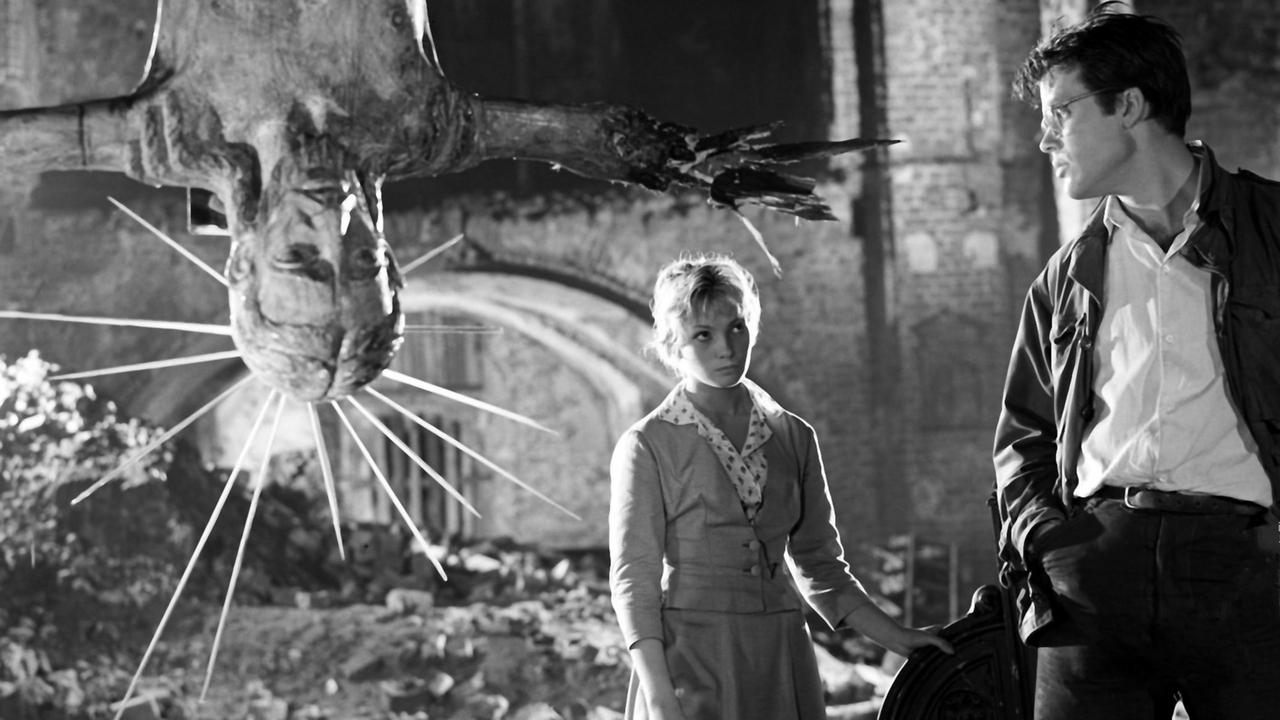

Zbigniew Cybulski
- Born
- Nov 3, 1927
- Died
- Jan 8, 1967 (aged 39)
- Birthplace
- Kniaże, Polska
- Also known as
- Збигнев Цибульский · Zbyszek Cybulski
Biography
From Wikipedia, the free encyclopedia
Zbigniew Cybulski Polish pronunciation: [ˈzbiɡɲɛf t͡sɨˈbulskʲi] (November 3, 1927 – January 8, 1967) was a Polish actor, one of the best-known and most popular personalities of the post-World War II history of Poland.
Zbigniew Cybulski was born November 3, 1927 in a small village of Kniaże near Śniatyń, Poland (now a part of Sniatyn Raion, Ivano-Frankivsk Oblast, Ukraine). After World War II he joined the Theatre Academy in Kraków. He graduated in 1953 and moved to Gdańsk, where he made his stage debut in Leon Schiller's Wybrzeże Theatre. Also, with his friend Bogumił Kobiela, Cybulski founded a famous student theatre, the Bim-Bom. In the early 1960s, Cybulski moved to Warsaw, where he shortly joined the Kabaret Wagabunda. He also appeared on stage at the Ateneum Theatre, one of the most modern and least conservative Warsaw-based theatres of the epoch.
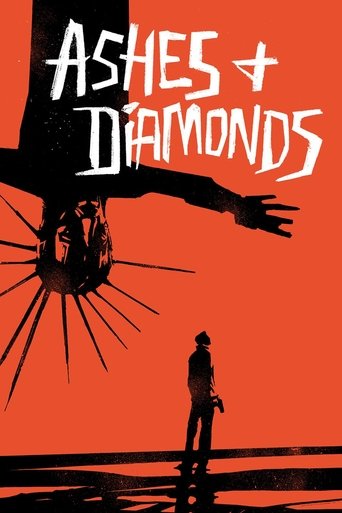
However, Cybulski is best remembered as a screen actor. He first appeared in a 1954 film Kariera as an extra. His first major role came in 1958, when he played in Kazimierz Kutz's Krzyż Walecznych. The same year he also appeared as one of the main characters in Andrzej Wajda's Ashes and Diamonds and Aleksander Ford's The Eighth Day of the Week based on a short story by Marek Hłasko. From then on Cybulski was seen as one of the most notable actors of the Polish Film School and one of the "young and wrathful", as his generation of actors were called at the time.
His most famous films, apart from Ashes and Diamonds, include Wojciech Has' The Saragossa Manuscript. He also acted in numerous television plays, including some based on works by Truman Capote, Anton Chekhov and Jerzy Andrzejewski.
Cybulski died in an accident at a Wrocław Główny railway station on January 8, 1967, on his way from the film set. As he jumped on the speeding train (as he often did), he slipped on the steps, fell under the train, and was run over. Before the accident he said goodbye to Marlene Dietrich, a personal friend of his, who was a passenger on the train. He was buried in Katowice.
Known for





Filmography 39
-
1986
Piękny dwudziestoletnias (archive footage) (uncredited)Movie
-
1969
Zbyszekas Self (archive footage)Movie 9.0
-
1967
Jowitaas Edward KsiężakMovie 6.8
-
1967
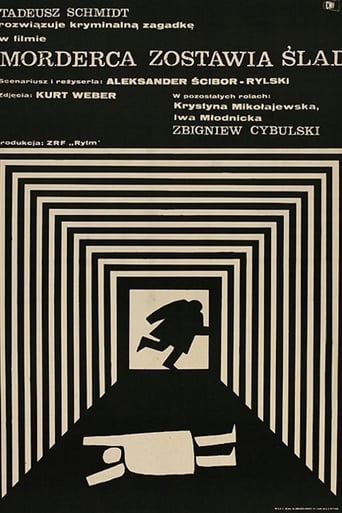
The Killer Leaves a Traceas RodeckiMovie 6.6
-
1967
Full Aheadas JanekMovie 6.8
-
1966
The Codesas MaciekMovie 6.9
-
1966
Iluzjaas LoverMovie
-
1966
Masteras DirectorMovie 7.6
-
1966
Christmas Eveas Zapała's FriendMovie 6.4
-
1966
The Saragossa Manuscriptas Alfonse Van WordenMovie 7.7
-
1966
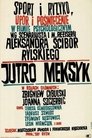
Tomorrow Mexicoas Paweł JańczakMovie 7.3
-
1965
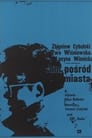
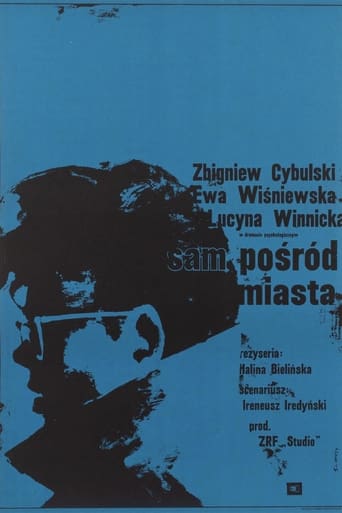
Alone in the Cityas Konrad FerencMovie 8.0
-
1965
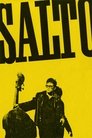
Saltoas Kowalski MalinowskiMovie 6.4
-
1965
Penguinas ŁukaszMovie 6.3
-
1964
To Loveas FredrikMovie 5.8
-
1964
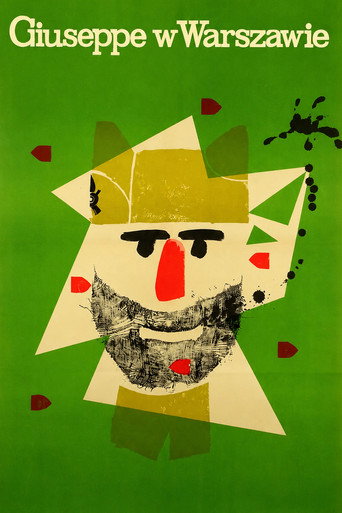
Giuseppe in Warsawas StaszekMovie 6.3
-
1964
No More Divorcesas Gruszka (Segment 3)Movie 6.8
-
1963
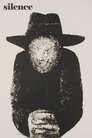
Silenceas RomanMovie 6.6
-
1963
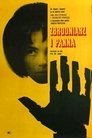
The Criminal and the Ladyas Jan ZiętekMovie 7.0
-
1963
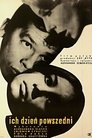
Their Everyday Lifeas Andrzej SiennickiMovie 4.8
-
1963
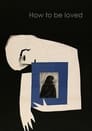
How to Be Lovedas Wiktor RawiczMovie 7.3
-
1962
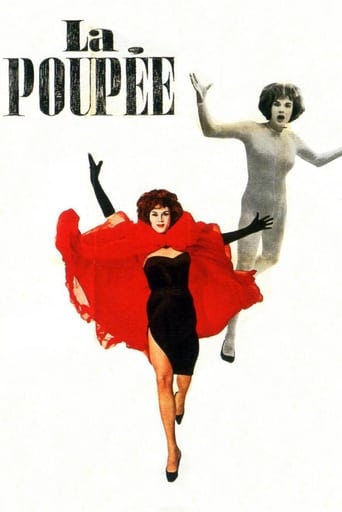
The Dollas Colonel Octavio Prado Roth / Cotal, the rebelMovie 5.5
-
1962
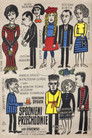
Spóźnieni przechodnieas Himself (segment 5)Movie 7.0
-
1962
Love at Twentyas Zbyszek (segment "Warszawa")Movie 6.7
- 1962 Movie 7.0
-
1961
Goodbye to the Pastas Famous actorMovie 6.7
-
1960
Innocent Sorcerersas EdmundMovie 7.0
-
1960
Goodbye, Till Tomorrowas Jacek · WriterMovie 6.7
-
1959
Night Trainas StaszekMovie 7.5
-
1959
Cross of Valoras Tadeusz WięcekMovie 6.8
-
1958
Ashes and Diamondsas Maciek ChełmickiMovie 7.4
-
1958
The Eighth Day of the Weekas Piotr TerleckiMovie 5.6
-
1957
Koniec nocyas Romek BrzozowskiMovie 4.8
-
1957
Wrakias Rafał GrabieńMovie 5.1
-
1956
Tajemnica dzikiego szybuas Miner (uncredited)Movie 7.0
-
1955
Trzy startyas Mietek LeśniakMovie 7.0
-
1955
Careeras Bus Passenger (uncredited)Movie 7.0
-
1955
A Generationas KostekMovie 6.9
-
1955
Man Does Not Dieas SzarlejMovie