7.5
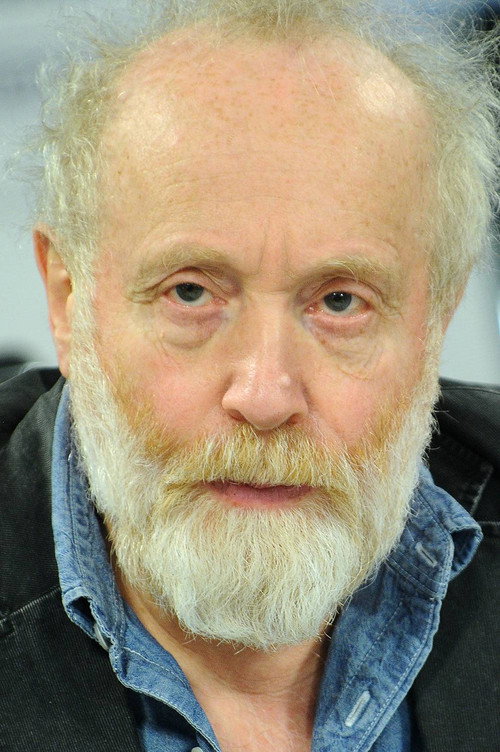
Yuri Norstein
- Born
- Sep 15, 1941 (85 years)
- Birthplace
- Andreevka, Penzenskaya oblast, RSFSR, USSR
- Also known as
- Yury Norshteyn · Yuri Norshteyn · Yuriy Norstein · Yury Norstein
Biography
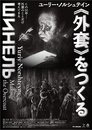
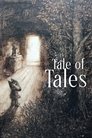
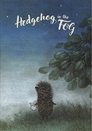
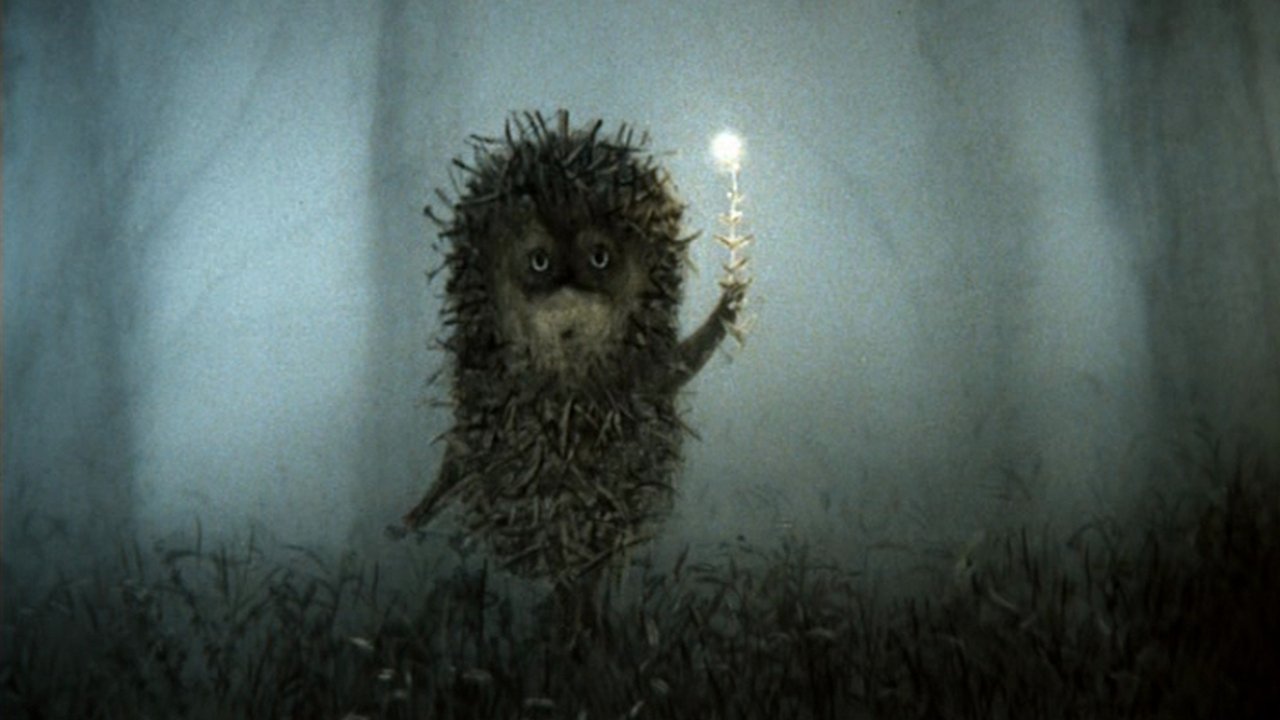
PAR Yuri Norstein (Russian: Ю́рий Бори́сович Норште́йн, Yuriy Borisovich Norshteyn; born 15 September 1941), is a Soviet and Russian animator best known for his animated shorts, Hedgehog in the Fog and Tale of Tales. Since 1981 he has been working on a feature film called The Overcoat, based on the short story by Nikolai Gogol of the same name. According to the Washington Post, "He is considered by many to be not just the best animator of his era, but the best of all time".
Yuri Norstein was born to a Jewish family in the village of Andreyevka, Penza Oblast, during his parents' World War II evacuation. He grew up in the Maryina Roshcha suburb of Moscow. After studying at an art school, Norstein initially found work at a furniture factory. Then he finished a two-year animation course and found employment at studio Soyuzmultfilm in 1961. The first film that he participated in as an animator was Who Said "Meow"? (1962).
After working as an animation artist in some fifty films, Norstein got the chance to direct his own. In 1968 he debuted with 25th October, the First Day, sharing directorial credit with Arkadiy Tyurin. The film used the artwork of 1920s-era Soviet artists Nathan Altman and Kuzma Petrov-Vodkin.
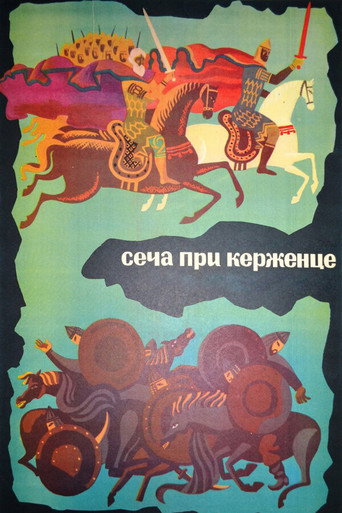
The next film in which he had a major role was The Battle of Kerzhenets (1971), a co-production with Russian animation director Ivan Ivanov-Vano under whose direction Norstein had earlier worked on 1969's Times of the Year.
Throughout the 1970s Norstein continued to work as an animator in many films, and also directed several. As the decade progressed his animation style became ever more sophisticated, looking less like flat cut-outs and more like smoothly-moving paintings or sophisticated pencil sketches. His most famous film is Tale of Tales, a non-linear, autobiographical film about growing up in the postwar Soviet world.
Norstein uses a special technique in his animation, involving multiple glass planes to give his animation a three-dimensional look. The camera is placed at the top looking down on a series of glass planes about a meter deep (one every 25–30 cm). The individual glass planes can move horizontally as well as toward and away from the camera (to give the effect of a character moving closer or further away).
For many years he has collaborated with his wife, the artist Francheska Yarbusova, and the cinematographer Aleksandr Zhukovskiy.
Source: Wikipedia
Known for
7.5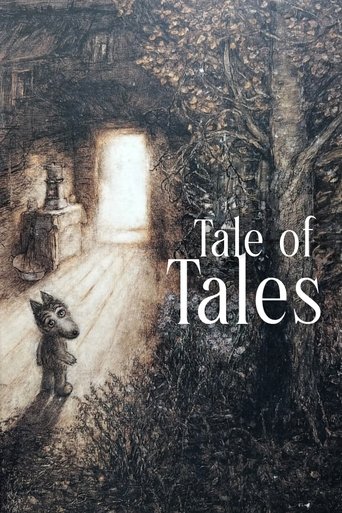 7.3
Tale of Tales
 6.1
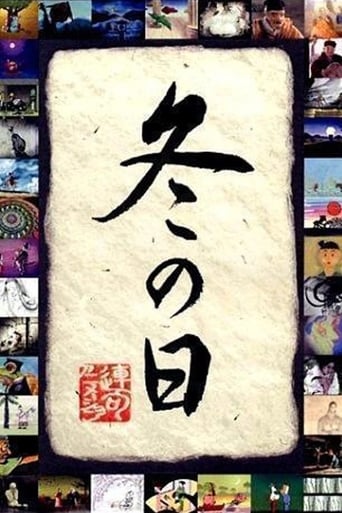
Winter Days
 7.2
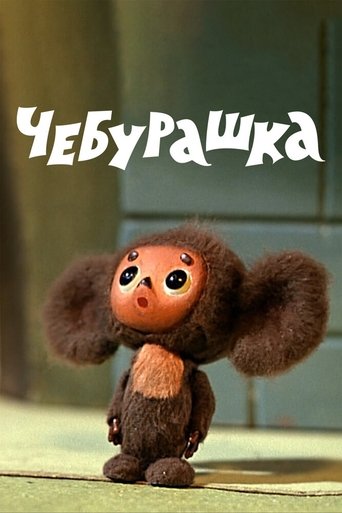
Cheburashka
 6.6
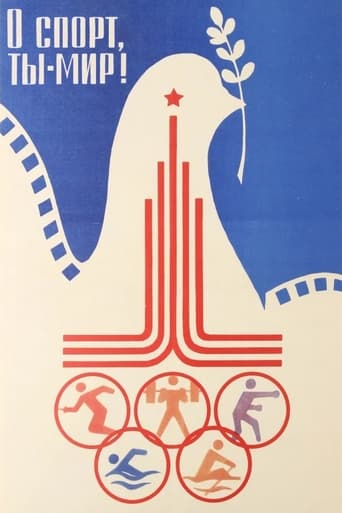
O Sport, You Are Peace!
 5.9
The Property of Republic
 6.8
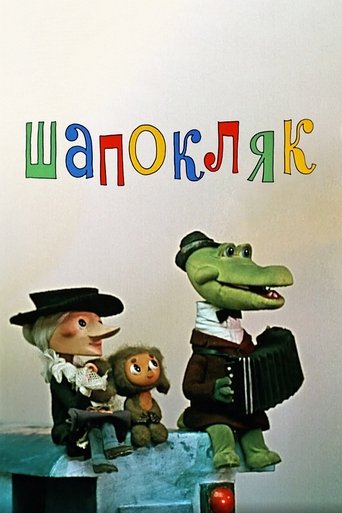
Shapoklyak
 6.1
Boniface's Holiday
 6.3
The Battle of Kerzhenets
 6.7
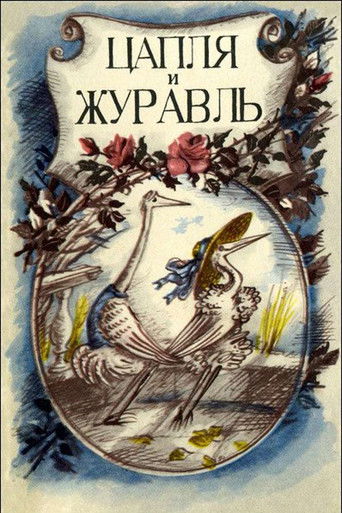
The Heron and the Crane
 6.4
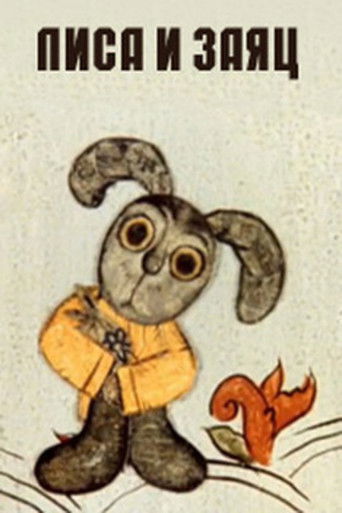
The Fox and the Hare
 6.0
Go There, Don't Know Where
 6.0
Left-Hander

The Films of Yuri Norstein
 5.0
School of Fine Arts. Juniper Landscape
 5.7
I Am Flying to You as a Memory...
Filmography 27
- 2021 Movie
-
2021
Oleg: The Oleg Vidov Storyas SelfMovie 5.0
-
2019
Yuriy Norshteyn: Making the Overcoatas HimselfMovie
- 2017 Movie
-
2017
The Films of Yuri NorsteinProducer · DirectorMovie
- 2012 Movie
- 2011 Movie
- 2010 Movie 2.0
-
2007
Islands: Georgy Rerbergas SelfMovie 5.3
- 2005 Movie
- 2005 Movie 8.0
- 2004 Movie 9.5
-
2003
Winter DaysDirectorMovie 6.1
-
2002
Dreams about Alfeonias Self - ditector-animatorMovie
-
2000
Good Night, Little Ones!DirectorMovie 8.0
- 1997 Movie
-
1980
With You I Am Again...as Narrator (voice)Movie 5.4
-
1979
Tale of TalesDirector · ScreenplayMovie 7.3
-
1977
One Day Before Our EraDirector · Screenplay · WriterMovie 7.0
-
1975
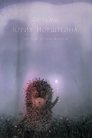
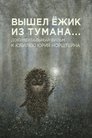
Hedgehog in the FogDirector · ScreenplayMovie 7.5
-
1974
The Heron and the CraneScreenplay · Director · WriterMovie 6.7
-
1973
The Fox and the HareDirector · Screenplay · WriterMovie 6.4
-
1971
The Battle of KerzhenetsDirector · ScreenplayMovie 6.3
-
1969
Children and MatchesDirectorMovie 6.5
-
1969
The SeasonsDirectorMovie 5.9
-
1968
25 October, the First DayDirector · Screenplay · WriterMovie 5.6
-
—
The OvercoatDirector · Writer · ProducerMovie