 6.5


Mark Donskoy
- Born
- Mar 6, 1901
- Died
- Mar 20, 1981 (aged 80)
- Birthplace
- Odessa, Ukrainian SSR, USSR [now Ukraine]
- Also known as
- М. Донской · M. Donskoy · Mark Semyonovich Donskoy · Марк Семёнович Донской
Biography
Mark Semyonovich Donskoy (6 March [O.S. 21 February] 1901 – 21 March 1981) was a Soviet film director, screenwriter, and studio administrative head. Donskoy was born in Odessa in a Jewish family. During the Civil War, he served in the Red Army (1921-1923), and was held captive by the White Russians for ten months. After he was freed, he was discharged from military service.
He studied psychology and psychiatry at the Crimean Medical School. In 1925 he graduated from the legal department of the Faculty of Social Sciences of the Crimean M.V. Frunze University in Simferopol. He worked in investigative bodies, in the Supreme Court of the Ukrainian SSR, and in the bar association. He published a collection of short stories drawn from his life called "Prisoners" (1925).
Donskoy began his career in film in 1926. He worked in the script department, but soon advanced as an assistant director in Moscow. Later he worked in Leningrad as an editing assistant. In 1935 he became the first Soviet dubbing director; he dubbed the American film The Invisible Man.
Following this, he directed numerous films. He also worked from time to time as a studio administrator: in 1938–1941, and in 1945-1955 he was the administrative director of Soyuzdetfilm's film studio in Moscow; in 1942-1945 and in 1955-1957 he was director of the Kiev film studio; after 1957, he was director and art director of the Maxim Gorky film studio where he mentored Ousmane Sembène.
His wife was the screenwriter Irina Borisovna Donskaya (1918–1983).
Known for
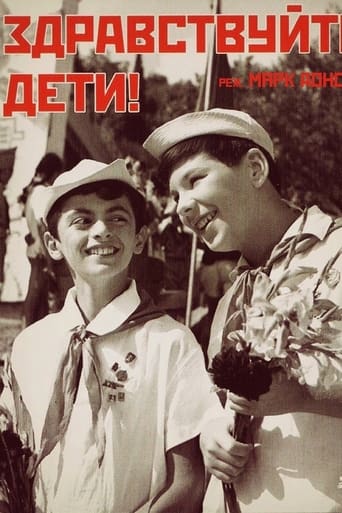
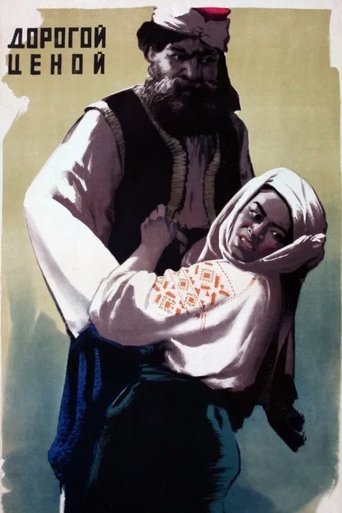
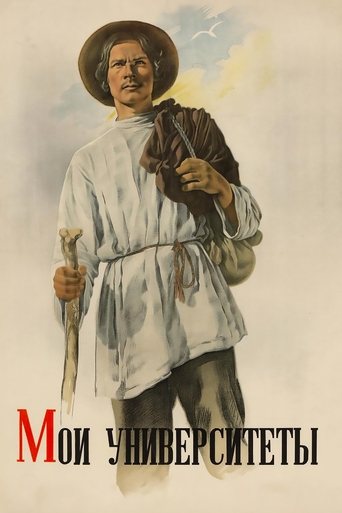
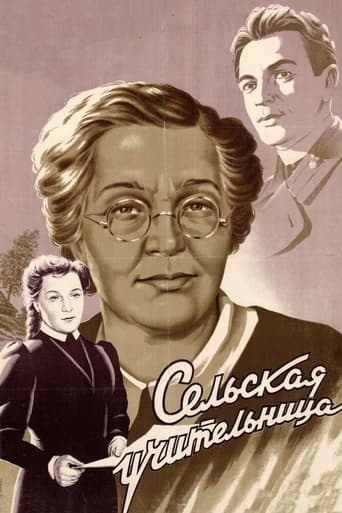
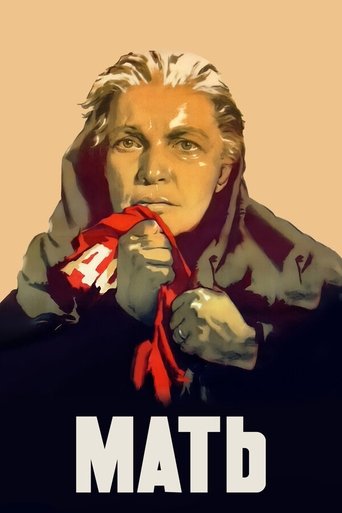

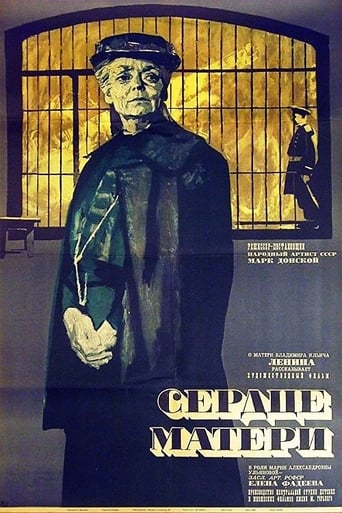

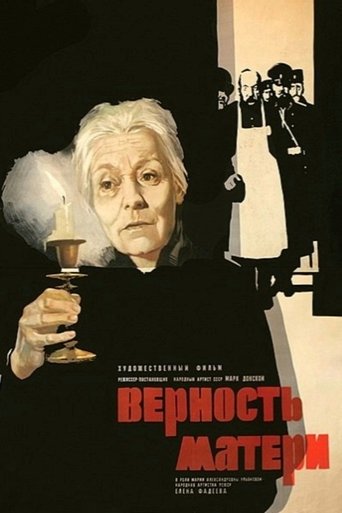
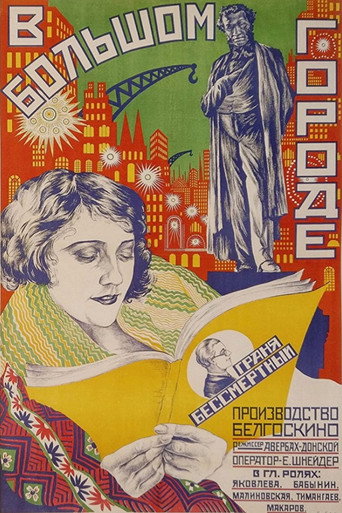
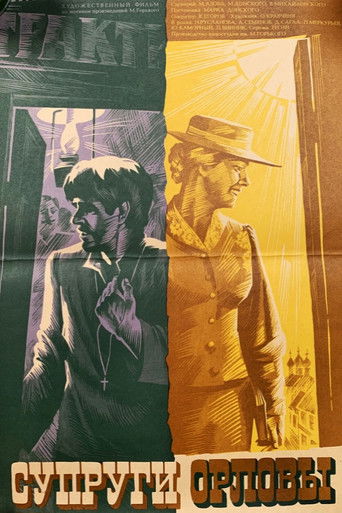
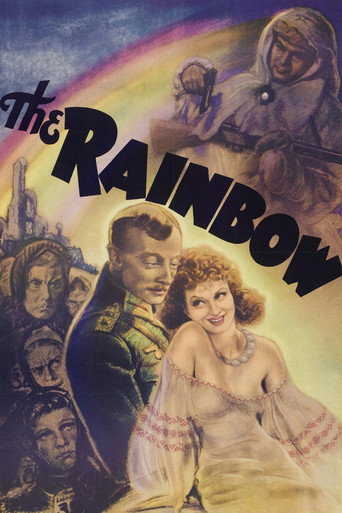
Filmography 23
-
1978
The OrlovsScreenplay · DirectorMovie 6.5
-
1973
NadezhdaDirectorMovie 7.0
-
1967
Mother's LoyaltyDirectorMovie 7.5
-
1966
A Mother's HeartDirectorMovie 7.3
-
1962
Hello, Children!DirectorMovie 9.0
-
1959
Foma GordeyevDirector · WriterMovie 6.5
-
1957
The Horse That CriedDirectorMovie 4.1
-
1956
MotherDirector · WriterMovie 4.7
-
1949
Alitet Leaves for the HillsDirectorMovie 5.8
-
1947
The Village TeacherDirectorMovie 5.2
-
1945
The Taras FamilyDirector · ScreenplayMovie 6.2
-
1944
RainbowDirectorMovie 5.2
-
1942
How the Steel Was TemperedDirector · ScreenplayMovie 2.8
-
1942
Fighting Film Collection No. 9DirectorMovie
-
1941
The RomanticsDirectorMovie 9.0
-
1940
My UniversitiesDirector · WriterMovie 5.6
-
1940
Brother of a HeroProducerMovie 8.8
-
1939
My ApprenticeshipDirector · WriterMovie 5.9
-
1938
The Childhood of Maxim GorkyDirector · WriterMovie 6.0
-
1934
Song of HappinessDirectorMovie 7.0
-
1929
Price of a ManDirectorMovie
-
1927
In the Big CityDirector · WriterMovie 5.3
-
1927
Prostituteas PasserbyMovie 4.4