 6.8

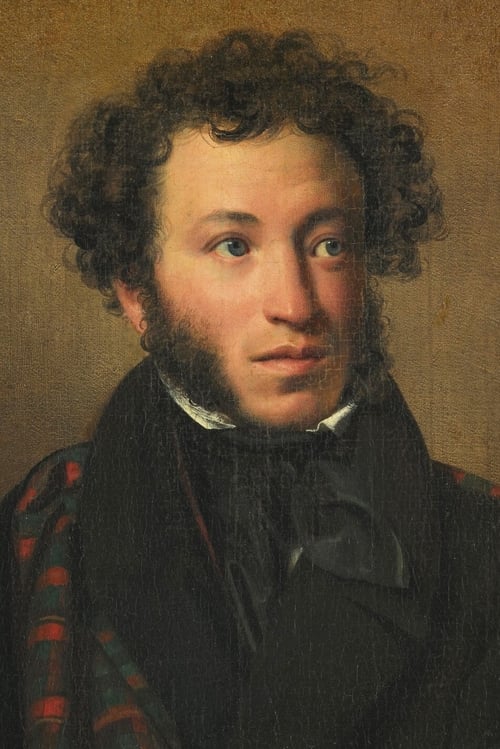
Alexander Pushkin
- Born
- Jun 6, 1799
- Died
- Feb 10, 1837 (aged 37)
- Birthplace
- Moscow, Russian Empire [now Russia]
- Also known as
- Alexandr Pushkin · Aleksandr Pushkin · Aleksander Pushkin · А.С.Пушкин
Biography
Aleksandr Sergeyevich Pushkin (1799–1837) was a Russian poet, playwright, and novelist of the Romantic era. He is considered by many to be the greatest Russian poet and the founder of modern Russian literature.
Pushkin was born into Russian nobility in Moscow. His maternal great-grandfather was Central-African-born general Abram Petrovich Gannibal. He published his first poem at the age of 15, and was widely recognized by the literary establishment by the time of his graduation from the Tsarskoye Selo Lyceum. Upon graduation, Pushkin recited his controversial poem 'Ode to Liberty', that led to his exile by Tsar Alexander I. While under the strict surveillance of the Tsar's political police, Pushkin wrote his most famous play, the drama 'Boris Godunov'. In 1820, he published his first long poem, 'Ruslan and Ludmila', with much controversy about its subject and style. His novel in verse, 'Eugene Onegin', was serialized between 1825 and 1832.
Critics consider many of his works masterpieces, such as the poem 'The Bronze Horseman' and the drama 'The Stone Guest', a tale of the fall of Don Juan. His poetic short drama 'Mozart and Salieri' was the inspiration for Peter Shaffer's 'Amadeus' as well as providing the libretto (almost verbatim) to Rimsky-Korsakov's opera 'Mozart and Salieri'. Pushkin is also known for his short stories. In particular his cycle 'The Tales of the Late Ivan Petrovich Belkin', including 'The Shot' and 'The Stationmaster', and 'The Queen of Spades', a story frequently anthologized in English translation.
Known for
6.8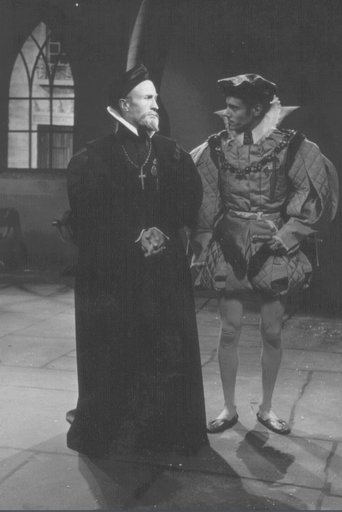 10.0
Folio
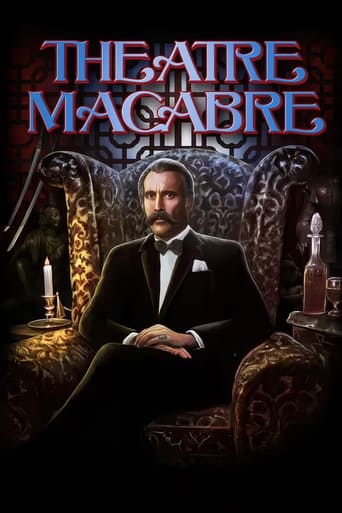 3.0
Theatre Macabre
 6.5
Red Iron Road
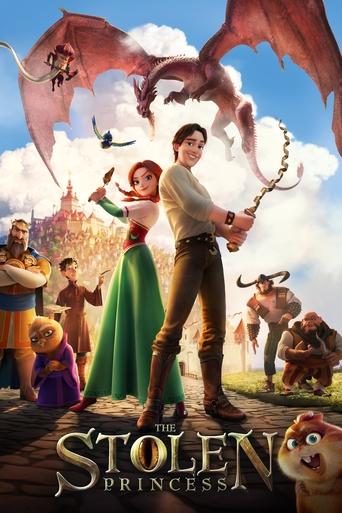 6.7
The Stolen Princess
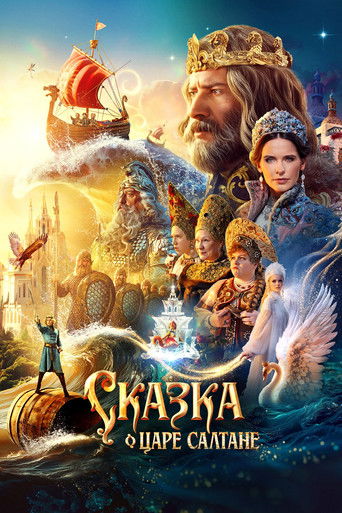 5.4
The Tale of Tsar Saltan
 6.1
Onegin
 6.4
The Queen of Spades
 6.2
Carmen
 6.1
Little Tragedies
 6.1
Onegin
 7.0
The Tale of Tsar Saltan
 6.5
Ruslan and Ludmila
 6.8
The Tale of Tsar Saltan
 6.8
The Tale of the Dead Princess and the Seven Knights

The Captain's Daughter
Filmography 20
-
1995
Lady Into LassieStoryMovie 5.3
- 1990 Movie
- 1988 Movie 8.0
- 1976 Movie
-
1972
Tears of BloodStoryMovie 5.3
-
1965
The Queen of SpadesStoryMovie 8.0
-
1961
Pa' qué me sirve la vidaScreenplayMovie 6.3
-
1943
El rebelde (Romance de Antaño)ScreenplayMovie 6.2
-
1942
A Pistol ShotStoryMovie 7.8
-
1934
Volga in FlamesStoryMovie 6.4
-
1927
The Queen of SpadesStoryMovie 9.0
-
1917
Miss PeasantStoryMovie
- 1914 Movie
-
1912
Boris GodunovStoryMovie
-
1912
The Robber BrothersStoryMovie 4.6
-
1911
Eugene OneginStoryMovie 10.0
- 1911 Movie
-
1910
The Queen of SpadesStoryMovie 4.9
- 1910 Movie 0.5
-
1907
Boris GodunovStoryMovie