 7.2
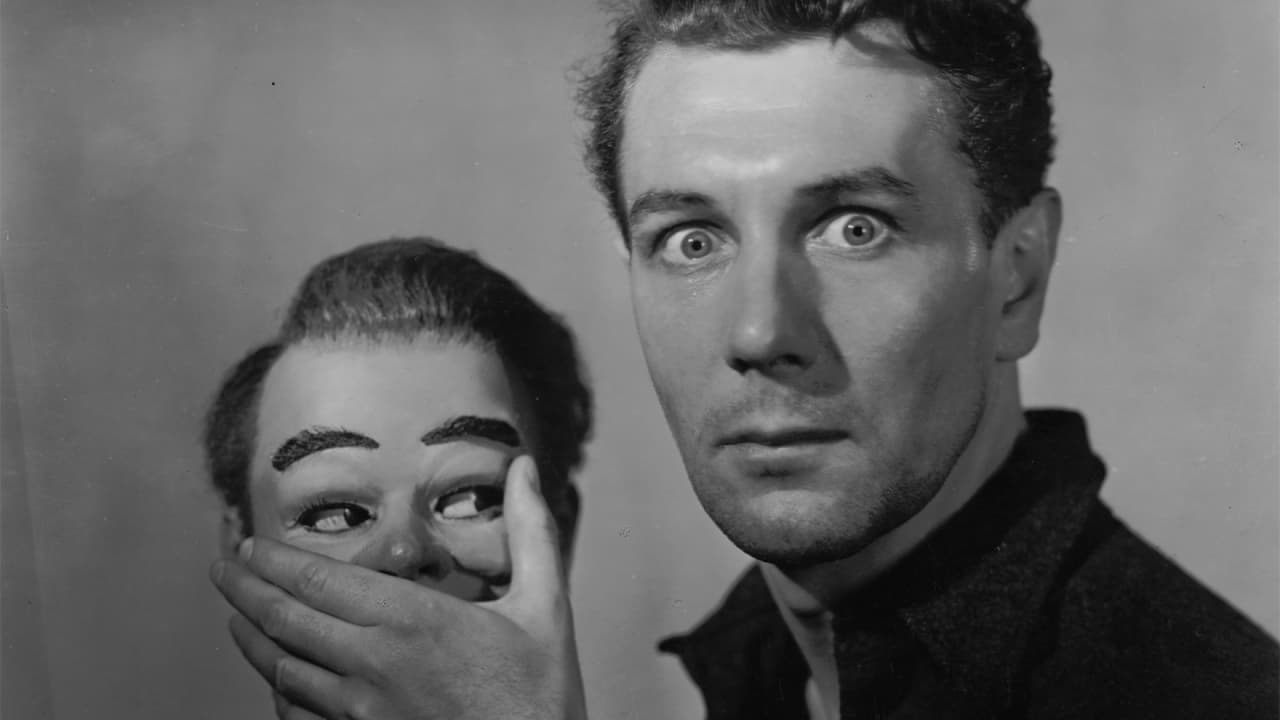

Alberto Cavalcanti
- Born
- Feb 6, 1897
- Died
- Aug 23, 1982 (aged 85)
- Birthplace
- Rio de Janeiro, Rio de Janeiro, Brazil
- Also known as
- Альберто Кавальканти · Cavalcanti
Biography
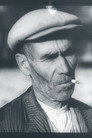
Alberto de Almeida Cavalcanti was a Brazilian-born film director and producer. He was born in Rio de Janeiro, the son of a prominent mathematician. He was a precociously intelligent child, and by the age of 15 was studying law at university. Following an argument with a professor he was expelled. His father sent him to Geneva, Switzerland on condition that he did not study law or politics. Cavalcanti chose to study architecture instead. At 18 he moved to Paris to work for an architect, later switching to working on interior design. After a visit back to Brazil he took up a position at the Brazilian consulate in Liverpool, England.
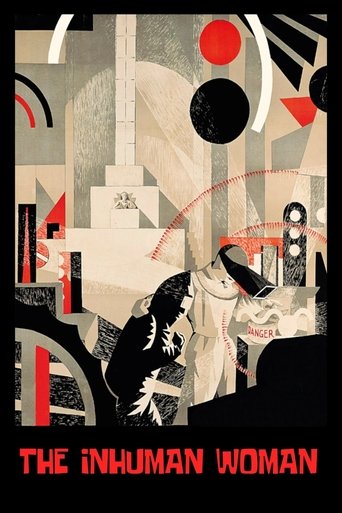
Cavalcanti corresponded with Marcel L'Herbier, a leading light in France's avant-garde film movement. This led to a job offer from L'Herbier for Cavalcanti to work as a set designer. So, in 1920 he left his job at the Consulate and moved back to France to work for L'Herbier; he was to be involved in the making of numerous films, the most notable being L'Inhumaine.
He was soon making his own films, in 1926 directing his first, Rien Que les Heures (Nothing But Time) — a day in the life of Paris and its citizens. In 1927 he collaborated with Walter Ruttmann on a similar project set in Berlin, called Berlin: Die Sinfonie der Großstadt (Berlin: Symphony of a Big City).
Cavalcanti took a job with Paramount's French studios after the talkies came in, but he found himself making more commercial films which could not hold his interest and left Paramount in 1933. In the same year he returned to England to work for John Grierson's GPO Film Unit. He was involved in many capacities, from production to sound engineer. He was to spend seven years at the GPO Film Unit, working on many projects. Much of his work at the GPO was uncredited, he acted as a mentor to many new film makers, but in 1937 he was appointed acting head of the GPO Film Unit when Grierson left for Canada. When told that the only way the position could become permanent was to become a naturalized British citizen, he decided to leave the unit.
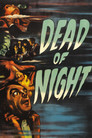
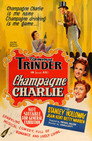
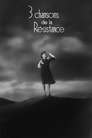
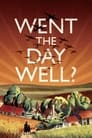
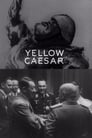
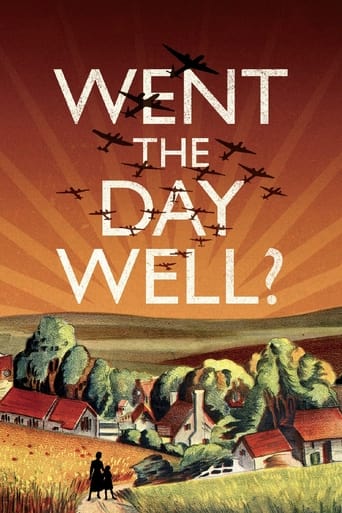
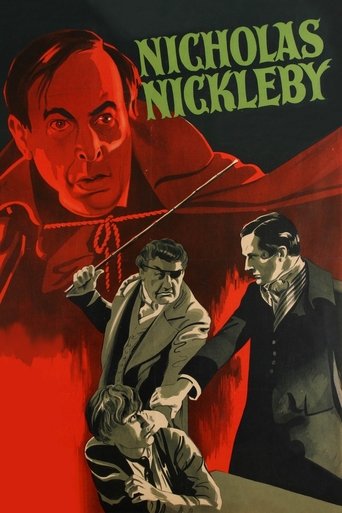
In 1940 Cavalcanti joined Ealing Studios, under the leadership of producer Michael Balcon. He worked as an art editor, producer and director. His most notable works of this period (many of them propaganda films) were Yellow Caesar (1941), Went the Day Well? (1942), Three Songs of Resistance (1943), Champagne Charlie (1944), Dead of Night (as co-director) (1945) and Nicholas Nickleby (1947). In 1946 Cavalcanti left Ealing over a dispute about money. He went on to direct three more films in the UK, before returning to Brazil in 1950.
In Brazil he worked as a producer for Companhia Cinematográfica Vera Cruz; the company eventually became insolvent. After being blacklisted as a communist in Brazil, he decided to move back to Europe in 1954. He eventually settled in France, where he continued his work in television. He died in Paris in 1982 at the age of 85.
Known for
7.2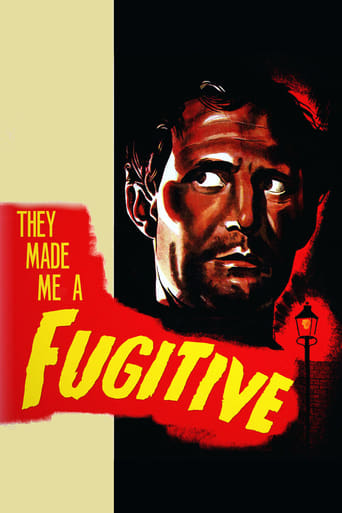 6.6
They Made Me a Fugitive
 7.1
Went the Day Well?
 6.7
The Life and Adventures of Nicholas Nickleby
 5.3
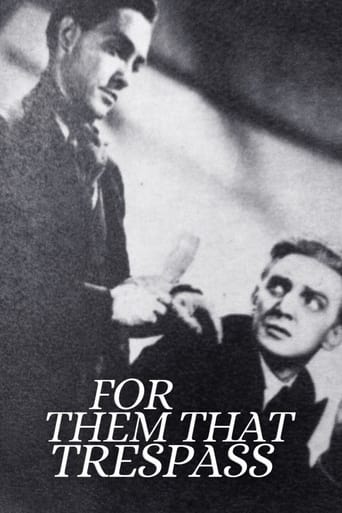
For Them That Trespass
 6.0
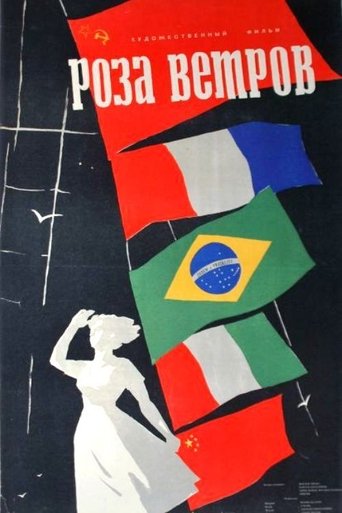
The Wind Rose
 6.6
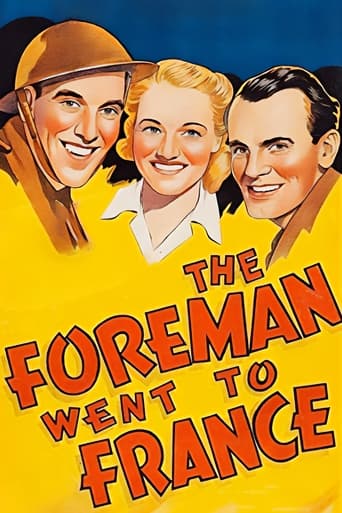
The Foreman Went to France
 6.7
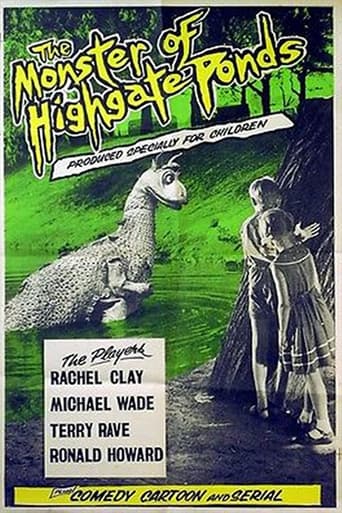
The Monster of Highgate Ponds
 7.0
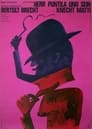
Herr Puntila and His Servant Matti
 6.8
The Inhuman Woman
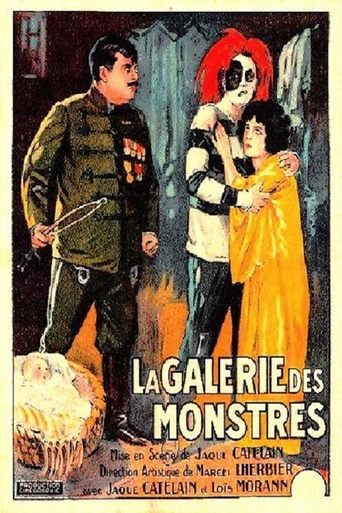 7.3
The Gallery of Monsters
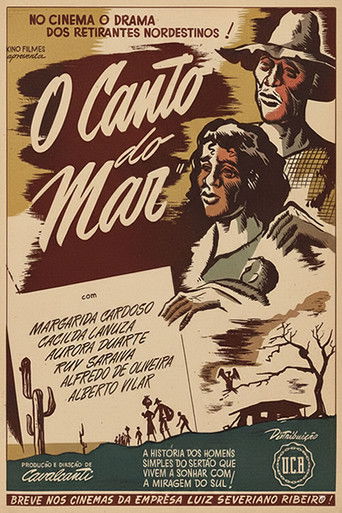 6.1
Song of the Sea
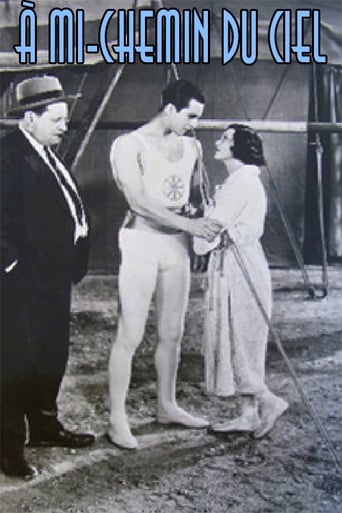 10.0
Halfway Up the Sky
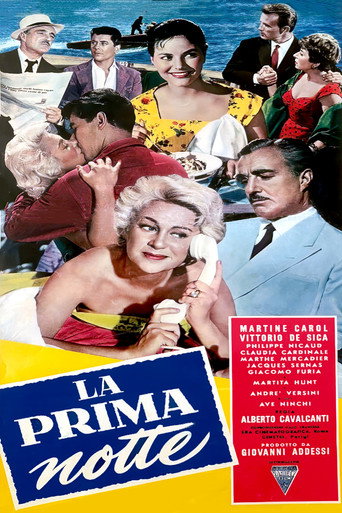 6.5
Venetian Honeymoon
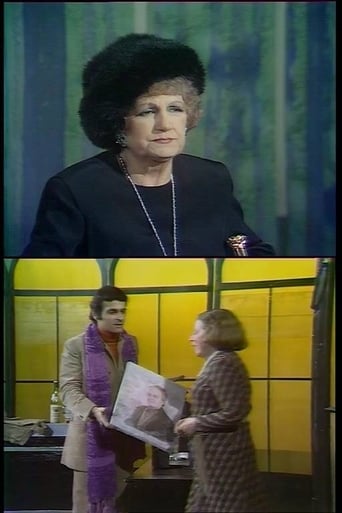
La visite de la vieille dame
 5.2
La P’tite Lili
Filmography 86
-
2026
La visite de la vieille dameDirectorMovie
-
2026
Cavalcantias Self (archive footage)Movie
-
1997
Birth of a Nationas SelfMovie 7.0
- 1982 Movie
-
1978
Le Voyageur du silenceDirectorMovie
-
1978
Encyclopédie audiovisuelle du cinémaas Self (archive footage)TV 9.0
-
1976
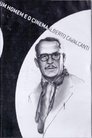
Um Homem e o Cinemaas Self · DirectorMovie 9.0
-
1973
Griersonas SelfMovie 7.3
-
1972
Lettres de Stalingradas AstronomerMovie 8.0
-
1970
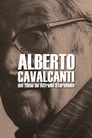
Alberto Cavalcantias SelfMovie
-
1961
The Monster of Highgate PondsDirectorMovie 6.7
-
1960
Herr Puntila and His Servant MattiDirector · ScreenplayMovie 7.0
-
1959
Venetian HoneymoonDirectorMovie 6.5
-
1957
The Wind RoseDirector · ScreenplayMovie 6.0
-
1955
A Real WomanDirectorMovie 6.0
-
1953
Song of the SeaDirector · Producer · ScreenplayMovie 6.1
-
1952
Simon the One-EyedDirector · WriterMovie 6.0
-
1952
Volta RedondaProducerMovie
-
1951
AngelaWriterMovie 7.0
-
1951
SantuárioProducerMovie 8.0
-
1951
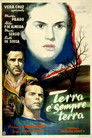
Terra é Sempre TerraProducerMovie 7.0
-
1951
PainelProducerMovie 10.0
-
1950
CaiçaraProducer · ScreenplayMovie 7.4
-
1949
For Them That TrespassDirectorMovie 5.3
-
1948
The First GentlemanDirectorMovie 6.5
-
1947
They Made Me a FugitiveDirectorMovie 6.6
- 1947 Movie 6.7
-
1945
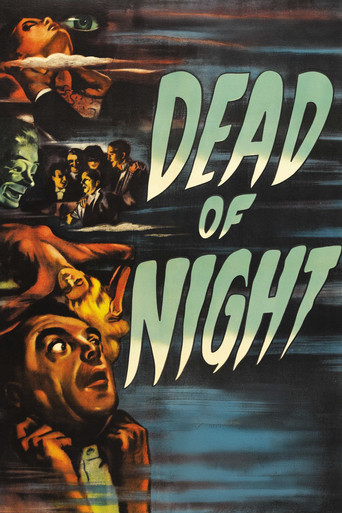
Dead of NightDirectorMovie 7.2
-
1944
Champagne CharlieDirectorMovie 5.9
-
1944
Three Songs of ResistanceDirectorMovie
-
1943
Greek TestamentProducerMovie 7.8
-
1943
The Sky’s the LimitDirectorMovie
-
1942
Went the Day Well?DirectorMovie 7.1
-
1942
Alice in SwitzerlandDirectorMovie 9.0
-
1942
Film and RealityDirectorMovie 9.0
-
1942
Find, Fix and StrikeProducerMovie
-
1941
Yellow CaesarDirectorMovie 6.1
-
1940
Mastery of the SeaDirectorMovie
-
1940
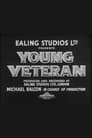
Young VeteranDirector · ProducerMovie
-
1940
Sea FortProducerMovie
-
1940
French CommuniqueDirectorMovie
-
1940
La Cause CommuneDirectorMovie 6.0
-
1939
A Midsummer Day's WorkDirectorMovie 9.0
-
1939
CargoesProducerMovie 7.0
-
1939
Men of the AlpsDirectorMovie
-
1939
The Chiltern CountryDirectorMovie
-
1939
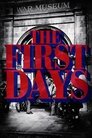
The First DaysProducerMovie 7.0
-
1939
Spare TimeProducerMovie 6.3
-
1939
Men in DangerProducerMovie
-
1939
Health of a NationDirector · ProducerMovie
-
1938
North SeaProducerMovie 6.0
-
1938
Speaking from AmericaProducerMovie 6.0
-
1938
Mony a PickleDirectorMovie 5.3
-
1938
Happy in the Morning: A Film FantasyProducer · DirectorMovie
-
1937
We Live in Two WorldsDirectorMovie
-
1937
Line to the Tschierva HutDirector · WriterMovie 8.0
-
1937
Daily RoundProducerMovie
-
1937
Who Writes to Switzerland?DirectorMovie
-
1936
Message from GenevaDirectorMovie 8.0
-
1935
BBC: The Voice of BritainProducerMovie
-
1935
The King's StampProducerMovie 9.0
-
1935
Coal FaceDirector · WriterMovie 6.3
-
1934
The Glorious Sixth of JuneDirectorMovie
-
1934
Coralie and CompanyDirectorMovie 8.0
-
1934
Pett and Pott: A Fairy Story of the Suburbsas J. Leviticus (uncredited) · Writer · DirectorMovie 5.8
-
1934
Montmartre qui tourneDirectorMovie 8.0
-
1934
New RatesDirectorMovie 8.0
-
1933
Le mari garçonDirectorMovie 8.0
-
1933
Plaisirs défendusDirectorMovie 7.0
-
1932
The Brazilian ThingDirector · ScreenplayMovie 9.0
-
1932
Tour of SongDirectorMovie 7.0
-
1931
Halfway Up the SkyDirectorMovie 10.0
-
1931
The Devil's HolidayDirectorMovie 8.0
-
1931
In a lost islandDirectorMovie 8.0
-
1930
Toute sa vieDirectorMovie 10.0
-
1930
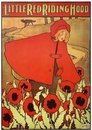
Little Red Riding HoodDirectorMovie 7.0
-
1930
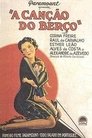
A Canção do BerçoDirectorMovie 8.0
-
1929
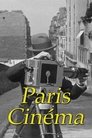
Paris Cinémaas SelfMovie 9.0
-
1929
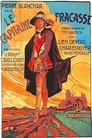
Captain FracasseDirectorMovie 6.5
-
1929
Train Without EyesDirectorMovie 9.0
-
1927
YvetteDirector · WriterMovie 8.0
-
1927
Sea FeverDirector · ScreenplayMovie 6.6
-
1927
La P’tite LiliDirector · Producer · ScreenplayMovie 5.2
-
1927
La jalousie du barbouilléDirector · ScreenplayMovie 7.0
-
1926
Nothing But TimeDirector · WriterMovie 7.2
-
1926
Essais d'acteurs : Ève FrancisDirectorMovie